
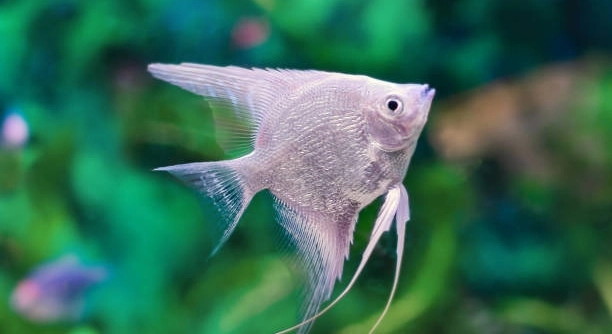
Angelfish are beautiful creatures that many people keep as pets. However, when they refuse to eat, it can be worrying. There are several reasons why your angelfish might not be interested in their food.
Your angelfish could be ignoring its food due to stress, poor water conditions, illness, or an inappropriate diet. Additionally, overfeeding, temperature fluctuations, and the presence of tank mates can all contribute to a lack of appetite.
Identifying the cause of the issue is key to restoring your angelfish’s healthy eating habits. Understanding why they may not be eating will help you address the problem effectively.
Stress or Fear
Stress can play a big role in your angelfish refusing to eat. Fish are sensitive to changes in their environment, and something as simple as a loud noise, sudden movements, or tank disturbances can cause anxiety. When your angelfish feels threatened, it may stop eating as a way of coping with the stress. This can happen if there’s too much activity around the tank or if there are frequent changes in the water conditions.
It’s important to maintain a peaceful environment for your fish, minimizing stress as much as possible. Keep the tank in a quiet area away from traffic, and avoid tapping on the glass. Stability in water conditions also helps reduce stress.
You should also check for other stress factors, such as aggressive tank mates or overcrowding. Angelfish are generally peaceful but can become anxious if there are overly aggressive fish around. By keeping your tank calm and stable, you can help your angelfish feel safe enough to eat.
Poor Water Conditions
Water quality directly affects your angelfish’s health and appetite. If the water is too dirty, too warm, or too cold, your fish may become lethargic and refuse to eat. Fish rely on clean water to thrive, and poor water conditions can quickly lead to stress and illness.
To ensure your angelfish is comfortable, regularly test the water for ammonia, nitrate, and nitrite levels. The pH should be between 6.5 and 7.5 for angelfish, and the temperature should be maintained between 76°F and 82°F. Inconsistent water temperature can cause discomfort, making your fish reluctant to eat. Regular water changes and using a good filtration system are essential to keeping the tank healthy.
Monitoring water quality is one of the simplest ways to help your angelfish stay healthy and regain its appetite. If you find any issues with water conditions, fixing them can quickly improve your fish’s eating habits.
Illness or Injury
If your angelfish has suddenly stopped eating, it could be due to illness or injury. Like all fish, angelfish can get sick or hurt, and this can directly impact their appetite. Common signs of illness include faded colors, abnormal swimming, or visible sores or lesions.
It’s crucial to act quickly if you suspect illness. Separate the sick fish from healthy ones to prevent the spread of disease. Consult with an aquarium vet to get a proper diagnosis. In the meantime, you might need to adjust the diet to help your angelfish recover, offering foods that are easier to digest, such as frozen or live foods.
Sometimes, injuries like scratches or fin damage may make it difficult for the fish to eat properly. If you notice any physical damage, you should monitor it closely for signs of infection and provide extra care to the injured area. Prompt treatment can ensure your angelfish gets back on track and regains its appetite.
Overfeeding
Overfeeding is a common mistake among fish owners, and it can be a reason why your angelfish isn’t eating. When too much food is offered, it can lead to uneaten food sinking to the bottom of the tank, which can cause water quality issues. The presence of leftover food can make the tank feel cluttered and uncomfortable for your fish.
To avoid overfeeding, make sure to feed your angelfish in small amounts, only giving them what they can eat within a few minutes. This helps prevent food from decaying in the water and keeps the environment clean. It also ensures your angelfish isn’t overwhelmed by excessive food in the tank.
Overfeeding can also lead to obesity in fish, which affects their health and appetite. Therefore, it’s important to feed them a balanced diet and stick to a consistent feeding schedule. If your fish is not eating, try cutting back on the amount of food offered and see if this encourages them to eat again.
Temperature Fluctuations
Temperature changes can easily affect your angelfish’s appetite. Fish are cold-blooded, meaning their body temperature depends on the surrounding water. If the water is too hot or too cold, it can make your angelfish uncomfortable, leading to a loss of appetite.
Maintaining a stable water temperature is crucial. Angelfish thrive in water temperatures between 76°F and 82°F. Use an aquarium heater to regulate the temperature and a thermometer to check it regularly. Sudden fluctuations or extreme changes can stress your angelfish, so it’s important to keep the water temperature consistent.
Additionally, make sure that your heater is working properly. A malfunctioning heater can cause the temperature to drop too low or rise too high. If you notice that your angelfish is not eating, check the water temperature to rule out this as a cause.
Inappropriate Diet
Sometimes, the type of food you’re offering may not be right for your angelfish. Angelfish are omnivores and enjoy a variety of foods, but they may refuse to eat if the food doesn’t suit their tastes or needs.
Try offering different types of food, such as flakes, pellets, or frozen food. Angelfish enjoy live or frozen brine shrimp, bloodworms, and daphnia. These types of food are rich in nutrients and may encourage your fish to eat. You may also want to rotate their diet to keep it interesting for them.
If your angelfish isn’t eating the food you offer, it might be due to the food’s size, texture, or brand. Experiment with different options, but always ensure you are offering high-quality food suitable for angelfish. This could solve the problem of your fish ignoring its meals.
Tank Mates
Aggressive tank mates can prevent your angelfish from eating. If there are other fish in the tank that are too aggressive, your angelfish may be too stressed to eat.
Ensure that your tank mates are compatible with angelfish. Peaceful species, such as tetras or gouramis, are better suited for sharing a tank with angelfish. Avoid placing overly aggressive or territorial fish that might intimidate or chase your angelfish away from its food.
Consider removing any aggressive fish from the tank if necessary. Keeping a peaceful and harmonious tank environment can help your angelfish feel safe and comfortable enough to eat.
Overcrowding
Overcrowding can affect your angelfish’s behavior and appetite. If there are too many fish in the tank, there may not be enough food for everyone, which can cause your angelfish to lose interest in eating.
When the tank is overcrowded, fish can become stressed due to limited space, increased waste, and competition for food. This not only affects their health but can also lead to them refusing to eat. You should ensure that your tank has enough space for each fish to live comfortably.
If overcrowding is a concern, consider relocating some fish to a separate tank. Giving your angelfish more space can help reduce stress and encourage it to eat again.
Age
Age plays a role in an angelfish’s eating habits. Older angelfish may eat less, especially if they’re reaching the end of their lifespan.
As angelfish age, they naturally become less active and may have a reduced appetite. This can be normal as long as they continue to show signs of overall good health. However, if they stop eating altogether or show signs of illness, it’s important to investigate further.
If you suspect your angelfish is simply aging, you can try offering softer or smaller foods to make eating easier for them. Keeping the water quality pristine is also essential for older fish.
FAQ
Why isn’t my angelfish eating?
There are several reasons why your angelfish might not be eating. It could be due to stress, poor water conditions, illness, or an inappropriate diet. Temperature fluctuations, overfeeding, and even tank mates can also cause a lack of appetite. Make sure you are providing a stable and calm environment for your fish, with clean water and appropriate food. If your angelfish is still refusing food, it’s worth checking for signs of illness or injury and addressing any issues in the tank, such as overcrowding or aggressive tank mates.
How can I reduce stress for my angelfish?
To reduce stress, ensure your tank is in a quiet area where it’s not exposed to loud noises or frequent disturbances. Avoid tapping on the glass, and limit your interaction with the tank. Provide hiding places for your angelfish, like plants or decorations, so they have a safe space. Also, keeping the tank clean and ensuring stable water conditions can prevent added stress. Be mindful of aggressive tank mates and overcrowding, as both can make your angelfish feel unsafe.
Can water temperature cause my angelfish to stop eating?
Yes, temperature fluctuations can affect your angelfish’s appetite. Angelfish are sensitive to changes in water temperature, and if the water is too hot or too cold, it can make them uncomfortable and cause them to stop eating. It’s important to maintain a consistent water temperature between 76°F and 82°F. Using an aquarium heater and a thermometer to monitor the temperature regularly is essential for their health and appetite.
What should I do if my angelfish has lost its appetite?
If your angelfish is not eating, first check the water conditions. Poor water quality can make them refuse food. Test for ammonia, nitrite, and nitrate levels, and adjust them if necessary. Also, inspect your angelfish for signs of illness or injury. If no physical symptoms are present, consider the diet you are offering. Angelfish may be picky, so try offering a variety of food, such as live or frozen food. If the problem persists, consult a vet specializing in fish care.
How do I know if my angelfish is sick?
Sick angelfish may display unusual behaviors such as lethargy, erratic swimming, or hiding. Look for visible signs like discoloration, lesions, or torn fins. If the fish is not eating and shows other symptoms like gasping for air or an abnormal body shape, it could be sick. Early detection of illness is key, so monitor your fish closely and separate any sick fish from others. A visit to an aquarium vet may be necessary for a proper diagnosis.
Can I feed my angelfish different types of food?
Yes, angelfish enjoy a variety of foods, and offering a balanced diet is important for their health. You can feed them flakes, pellets, or live/frozen foods like brine shrimp, bloodworms, or daphnia. Varying the types of food can keep your angelfish interested and ensure they get the right nutrients. However, always ensure the food you offer is suitable for angelfish and avoid overfeeding.
How often should I feed my angelfish?
It’s recommended to feed your angelfish once or twice a day, offering only as much food as they can consume in a few minutes. Overfeeding can cause uneaten food to decompose, which affects water quality and may stress your angelfish. Regular feeding will keep your angelfish healthy, but always avoid overfeeding, as this can lead to obesity and other health issues.
Can overfeeding cause my angelfish to stop eating?
Yes, overfeeding can make your angelfish lose interest in food. When you overfeed, uneaten food will accumulate in the tank, causing water quality problems. Angelfish may also become sluggish or even stop eating if they’re overfed. Feed them in small portions and remove any leftover food after a few minutes. Regularly clean the tank to maintain water quality and ensure your fish aren’t overwhelmed by excessive food.
Why is my angelfish acting lethargic?
Lethargy in angelfish can be a sign of stress, poor water quality, illness, or injury. If your angelfish is not swimming normally, it could be because of an underlying health issue. Check the water conditions, and look for signs of illness or injury. If the lethargy persists, it might be time to consult an aquarium vet to rule out any diseases or infections.
Is my angelfish not eating because it’s too old?
Age can affect an angelfish’s appetite. Older angelfish may eat less and be less active. If your fish is still healthy overall, a reduced appetite could simply be a sign of aging. However, if you notice significant changes in behavior or other health concerns, it’s worth checking water quality and consulting a vet. Offering softer foods or smaller portions can help older fish eat more easily.
Could my angelfish be rejecting food because of its tank mates?
Yes, aggressive or territorial tank mates can cause your angelfish to stop eating. If there are fish in the tank that are constantly chasing or bullying your angelfish, it may become too stressed to eat. Ensure your tank mates are peaceful and compatible. If the aggression continues, consider moving the aggressive fish to a separate tank. Creating a calm environment can encourage your angelfish to eat.
What should I do if my angelfish is not eating due to poor water conditions?
If poor water conditions are causing your angelfish to stop eating, take immediate action to improve them. Test the water for ammonia, nitrite, and nitrate levels and ensure the pH is within the correct range for angelfish. Perform water changes to remove toxins, and check the temperature to ensure it’s in the appropriate range. Regular maintenance and monitoring will help prevent this issue from recurring and encourage your angelfish to eat again.
Final Thoughts
When your angelfish isn’t eating, it can be concerning, but there are several possible reasons for this behavior. It’s important to first assess the environment of the tank. Stress from poor water quality, temperature fluctuations, or aggressive tank mates can make your fish feel unsafe or uncomfortable, causing them to lose their appetite. Keeping the water clean, stable, and free from stressors is crucial in ensuring your fish stay healthy and active. Regular water changes and consistent maintenance should be part of your routine to keep everything in check.
Another thing to consider is the diet you’re offering your angelfish. Like many fish, angelfish can be picky eaters. If the food doesn’t meet their needs or tastes, they may refuse to eat. Offering a variety of foods, such as high-quality flakes, pellets, and live or frozen options, can help encourage them to start eating again. Don’t forget that sometimes, fish refuse to eat simply because they are overfed. It’s easy to mistake a lack of interest in food for a serious health issue when, in fact, they may be too full. Be mindful of the portion sizes you give them, and avoid leaving uneaten food in the tank.
Lastly, don’t ignore potential health issues. If the water conditions are perfect, the diet is varied, and the stress levels are low, but your angelfish is still not eating, it could be a sign of illness or injury. Always monitor their behavior and look for any unusual signs, such as lethargy, discoloration, or abnormal swimming patterns. In these cases, separating the sick fish from others and seeking professional advice is essential. Taking proactive steps to address these issues can help your angelfish get back on track, improving both its health and appetite.

Hello,
If you enjoy the content that we create, please consider saying a "Thank You!" by leaving a tip.
Every little bit helps us continue crafting quality advice that supports the health, happiness, and well-being of pets around the world, for pets of all shapes, sizes, and species.
We really appreciate the kindness and support that you show us!