
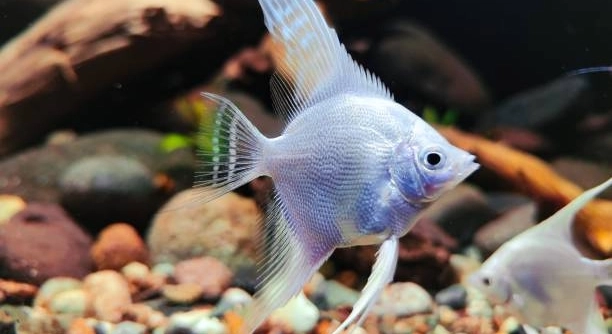
Angelfish are beautiful and graceful creatures, but sometimes their behavior can be puzzling. If you’ve noticed your angelfish pacing back and forth, you’re not alone. This unusual movement can signal something worth addressing.
Pacing back and forth in angelfish is typically a sign of stress. Common causes include improper tank conditions, lack of space, or unbalanced water parameters. This behavior can also indicate that your fish may be feeling threatened or bored.
There are several factors at play when your angelfish starts to pace. From water quality to tank setup, understanding what’s causing the stress is the first step in resolving the issue.
Tank Size and Space Constraints
Angelfish are territorial and require ample space to swim freely. If your tank is too small, they might feel cramped, leading to pacing. A cramped space can increase stress, causing your fish to swim back and forth continuously. The ideal tank size for angelfish is at least 20 gallons for a pair, but larger tanks are better. The space allows them to claim a territory and reduces the feeling of confinement, which in turn lessens their stress.
If your tank is overcrowded, it could also be contributing to the pacing behavior. Too many fish can lead to increased competition for resources like food and space. Consider upgrading to a larger tank or reducing the number of fish if this is the case.
To help alleviate the pacing, make sure the tank is spacious enough to accommodate your angelfish’s natural behavior. Having plenty of space will allow them to settle and move around more freely. If you are keeping multiple angelfish, ensure there’s enough room for each to establish their own territory.
Water Quality and Conditions
Poor water quality can quickly stress your angelfish. It is essential to maintain clean, well-filtered water. High levels of ammonia, nitrites, or nitrates can harm your fish, making them anxious. Keeping the water parameters within the ideal range will help reduce pacing.
Angelfish are sensitive to changes in water conditions. Regular water testing is necessary to keep things in check. Proper filtration, water changes, and maintaining the right temperature and pH levels will ensure your fish feel comfortable.
Aggressive Tank Mates
Angelfish can be sensitive to aggressive tank mates. If they are being bullied or chased, they may exhibit pacing behavior due to stress. It’s important to choose tank mates that are peaceful and compatible with angelfish. Avoid fish with aggressive tendencies, as they can disrupt the peace of your tank.
Aggression from other fish can make your angelfish feel unsafe. In addition to pacing, signs of stress such as hiding or refusal to eat may occur. You can reduce this behavior by separating aggressive fish or rearranging the tank to create new territories. This helps angelfish feel less threatened.
When selecting tank mates, look for calm species that won’t challenge the angelfish for space or food. Fish like tetras, gouramis, or peaceful catfish are often good choices. Ensuring a peaceful environment will help your angelfish feel secure and stop pacing.
Lack of Mental Stimulation
Angelfish are intelligent creatures and can get bored, especially in a monotonous environment. A lack of stimulation can lead to pacing as they try to find something to do. Without hiding spots, decorations, or plant life, they may become restless.
Providing enrichment for your angelfish is essential. Adding plants, rocks, or even aquarium ornaments can encourage exploration and reduce pacing. Fish are naturally curious, and offering these items will help your angelfish engage with its environment, improving its mental well-being.
If your angelfish has no distractions, it may begin to swim endlessly in the same spot. This repetitive behavior is often a sign of boredom. Regularly rearranging the decorations or adding new elements to the tank can create new challenges and reduce this behavior.
Overfeeding or Uneaten Food
Overfeeding your angelfish can lead to poor water quality and stress. Excess food left in the tank can decompose, affecting the environment. This creates a stressful situation for your fish, leading to abnormal behaviors like pacing. Be sure to feed them only the necessary amount of food.
If you’re unsure how much to feed, consider offering food in small amounts and allowing your fish to eat it all within a few minutes. This prevents excess food from polluting the water. Keeping the feeding schedule consistent will help manage their stress and improve overall health.
Temperature Fluctuations
Temperature changes can affect angelfish behavior. Angelfish prefer stable water temperatures. If the water becomes too cold or hot, they may start pacing as a sign of discomfort. Use a reliable heater and thermometer to maintain the right temperature, around 76-80°F.
Sudden drops or spikes in temperature can cause stress, leading to irregular behavior. Avoid placing the tank in areas where it might experience drafts or direct sunlight, which can affect temperature stability. Keeping a steady environment will help your angelfish feel comfortable and reduce their pacing.
FAQ
Why is my angelfish pacing back and forth?
Pacing is often a sign of stress in angelfish. Common causes include poor water quality, insufficient tank size, or aggressive tank mates. It can also happen if the fish feels bored, unsafe, or uncomfortable due to changes in its environment. To reduce pacing, ensure the water conditions are stable, the tank is spacious, and your fish has plenty of hiding spots.
What is the ideal tank size for angelfish?
The minimum tank size for a pair of angelfish is 20 gallons. However, a larger tank is always better. This ensures they have enough space to swim and establish territories. If you keep multiple angelfish, consider upgrading to a tank that is at least 30 gallons or more to prevent overcrowding and reduce stress.
How do I improve water quality for my angelfish?
Regular water changes are crucial to maintaining water quality. Aim for a 25-30% water change every one to two weeks. Keep the water parameters in check by testing for ammonia, nitrites, and nitrates. Proper filtration is also essential. Ensure your filter is powerful enough for the tank size and clean it regularly to prevent debris buildup.
Can angelfish live with other fish?
Yes, angelfish can live with other peaceful fish. However, it’s important to choose tank mates carefully. Avoid aggressive species that might stress or bully your angelfish. Ideal companions include tetras, gouramis, and peaceful catfish. Always monitor interactions between fish to make sure no one is being overly aggressive.
How often should I feed my angelfish?
Feed your angelfish once or twice a day, giving them only as much food as they can eat within a few minutes. Overfeeding can lead to water quality issues and stress. It’s important to remove any uneaten food promptly to prevent it from decomposing and affecting the tank environment.
What temperature should I keep my angelfish tank at?
Angelfish thrive in temperatures between 76°F and 80°F. Use a reliable aquarium heater to maintain this range. Temperature fluctuations can stress your fish, so avoid placing the tank in areas that experience drafts or direct sunlight. A consistent temperature helps keep your angelfish comfortable and healthy.
What can I do if my angelfish is being bullied by other fish?
If your angelfish is being bullied, consider rearranging the tank or adding more hiding spots to give it a sense of security. You may also need to remove the aggressive fish or move your angelfish to a separate tank if the aggression continues. A peaceful tank environment is key to your fish’s well-being.
Can angelfish get stressed easily?
Yes, angelfish can become stressed by various factors, including poor water quality, overcrowding, and incompatible tank mates. They are sensitive to changes in their environment. To reduce stress, maintain a stable tank, avoid sudden temperature changes, and ensure they have enough space to swim and explore.
What should I do if my angelfish is not eating?
If your angelfish refuses to eat, it could be a sign of stress or illness. Check the water parameters, as poor water quality can cause a loss of appetite. Ensure your angelfish is not being bullied by other fish. If the problem persists, consult an aquarium professional or vet for further advice.
How can I reduce boredom in my angelfish?
Angelfish are intelligent and need stimulation. Add plants, rocks, and other decorations to encourage exploration. You can also rearrange the tank occasionally to give your angelfish a change of scenery. Avoid keeping the tank too plain, as a lack of enrichment can lead to pacing and other stress behaviors.
Final Thoughts
Pacing in angelfish can be a sign of stress, but the good news is that it’s often something you can fix. By making a few adjustments to their environment, you can help your angelfish feel more comfortable. Start by checking the water quality. Regular water changes and proper filtration are key to keeping your fish healthy and happy. It’s also important to monitor the temperature, as angelfish prefer stable conditions between 76°F and 80°F. Avoid sudden temperature changes, as these can stress them out and lead to pacing.
Another important factor is the tank size. If your angelfish is pacing, it might be feeling cramped. A 20-gallon tank is the minimum for a pair, but larger tanks are always better. Overcrowding is another common cause of stress. Having enough space for each fish to establish its own territory will help reduce aggression and pacing. It’s also essential to choose the right tank mates. Aggressive or overly active fish can make your angelfish feel unsafe, so it’s best to pick peaceful companions. Adding plants, rocks, and hiding spots can also help reduce stress and keep your fish from becoming bored.
Finally, make sure you’re feeding your angelfish the right amount. Overfeeding can lead to poor water quality, which in turn can stress your fish. Feed them only what they can eat in a few minutes, and remove any uneaten food. By creating a calm, stimulating environment and maintaining good water quality, you can reduce the chances of pacing and ensure your angelfish stays healthy and happy. If you follow these steps and keep a watchful eye on your tank, your angelfish should be back to swimming freely in no time.

Hello,
If you enjoy the content that we create, please consider saying a "Thank You!" by leaving a tip.
Every little bit helps us continue crafting quality advice that supports the health, happiness, and well-being of pets around the world, for pets of all shapes, sizes, and species.
We really appreciate the kindness and support that you show us!