
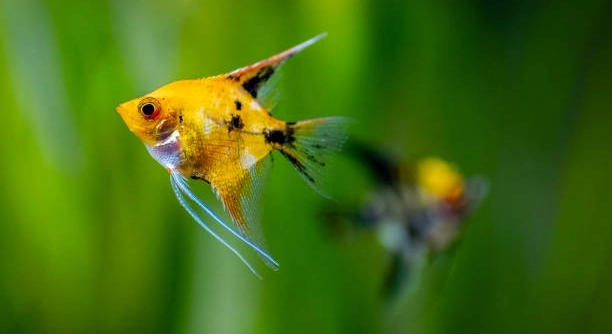
Is your angelfish swimming in circles, darting strangely, or gliding sideways more often than usual in its tank?
Odd swimming patterns in angelfish are commonly linked to swim bladder issues, poor water quality, stress, infections, or changes in their environment. Identifying the cause early is essential for proper care and recovery.
Understanding the possible causes will help you take the right steps and improve your angelfish’s well-being and behavior over time.
Swim Bladder Disorder
Swim bladder disorder is one of the most common reasons angelfish swim oddly. This internal organ helps fish stay balanced and control their movement in the water. When it’s affected, your angelfish might float to the top, sink to the bottom, or swim sideways. Causes of swim bladder problems include constipation, bacterial infections, or physical injury. Overfeeding or giving food that swells in the stomach, like dry flakes or pellets, can put pressure on the swim bladder. A bloated belly can make it difficult for the fish to swim straight. If you notice swelling, sluggish behavior, or trouble staying upright, it’s likely related to this issue. Treating swim bladder disorder involves adjusting the fish’s diet, slightly raising the water temperature, and possibly isolating the fish for observation. Fasting for a day or two, followed by feeding a small piece of cooked, skinned pea, often helps relieve the issue naturally and safely.
Changing the diet and water conditions can help your angelfish recover more comfortably and regain normal swimming behavior.
Pay close attention to feeding habits. Offer fresh or soaked food to avoid bloating. Keep the tank clean, and monitor the water temperature. If the fish doesn’t improve, consider seeking advice from a vet who specializes in aquatic animals.
Poor Water Quality
Poor water quality affects your angelfish’s health more than you might think. Even slight imbalances can cause them to behave strangely.
A sudden change in swimming behavior can be linked to high levels of ammonia, nitrites, or nitrates in the tank. Angelfish are sensitive to these toxins, and if left unchecked, the poor water conditions can lead to stress, infections, and even damage to their internal organs. A cloudy tank, foul smell, or algae growth might also be signs that your tank needs attention. To prevent these issues, test the water regularly with a reliable test kit. Weekly water changes of 25% to 30%, along with proper filtration, are essential. Avoid overfeeding, as uneaten food breaks down and affects water balance. Try to keep the water temperature between 76–82°F and the pH close to 6.8–7.8. A steady, clean environment allows your angelfish to stay active and swim naturally. Prevention is much easier than trying to reverse long-term damage.
Stress from Environmental Changes
Angelfish can become stressed when their environment changes too quickly. This stress often shows up as strange swimming, hiding, or loss of appetite. Moving décor, switching tanks, or sudden lighting shifts can all affect their behavior.
If you’ve recently cleaned the tank, changed decorations, or added new fish, your angelfish might need time to adjust. They thrive in stable environments, so even harmless changes can cause temporary stress. Avoid sudden changes in lighting or loud noises around the tank. Always acclimate new fish properly before adding them. Try to keep a consistent routine when feeding or cleaning. If your angelfish seems off after a change, give it a few days and observe before assuming something more serious is wrong. A calm, steady tank setup helps your fish feel safe and behave normally. Stability is key to helping angelfish recover from minor stress reactions and swim properly again.
Reducing stress involves keeping the tank peaceful and quiet. Avoid tapping on the glass or moving items around too often. If you need to make adjustments, do them gradually. Adding live plants and hiding spots also helps angelfish feel secure. A familiar setup gives them a stronger sense of safety and encourages normal swimming habits again.
Aggression from Tank Mates
Aggressive tank mates can easily make an angelfish feel unsafe. If your fish is being chased or nipped, it might swim in odd patterns or hide more than usual. Angelfish are peaceful but can be territorial, especially in crowded tanks.
Keep an eye on how the fish interact. If one fish is constantly following or striking at your angelfish, it could lead to physical injury or constant stress. Cichlids, barbs, or fin-nipping species can be problematic in shared tanks. Try to keep angelfish with other peaceful species of a similar size. If aggression continues, consider separating the fish with a divider or moving the aggressive one to another tank. Giving each fish enough space and plants to establish their own area can help reduce tension. Balanced group dynamics create a more relaxed environment where all the fish can swim freely without fear or injury.
Internal Parasites
Internal parasites can cause odd swimming, weight loss, and lethargy in angelfish. These parasites affect the digestive system and sometimes impact their balance. Watch for signs like stringy white poop, sunken bellies, or loss of interest in food.
Treatment usually involves medicated food or adding parasite treatments to the water. Quarantining the affected fish can also help prevent the spread to others. Keep the tank clean and remove uneaten food quickly.
Overfeeding or Poor Diet
Feeding too much or offering low-quality food can lead to bloating and digestive issues. This often affects the fish’s buoyancy, making swimming difficult. Uneaten food also dirties the tank and worsens water quality. Offer small, regular meals and use high-quality, varied food to support better health and behavior.
Injury
A physical injury from bumping into objects or aggressive tank mates may affect how your angelfish swims. Look for signs like torn fins, scrapes, or sudden changes in movement. Keep the tank layout safe and avoid sharp decorations.
FAQ
Why is my angelfish swimming in circles all of a sudden?
Swimming in circles can be linked to stress, poor water conditions, or neurological issues. It may also be a reaction to swim bladder disorder or a sign of parasites affecting the nervous system. Check water parameters first—ammonia, nitrites, and pH levels—since these are common causes. Also, observe if the angelfish is showing signs of injury or being bullied. If water conditions are fine, try isolating the fish in a separate tank to rule out aggression. If symptoms continue, consider internal parasites or infection and treat with medication designed for tropical fish.
Can angelfish recover from swim bladder disorder?
Yes, many angelfish recover from swim bladder disorder, especially if treated early. Start by reducing feeding and offering a blanched, skinned pea. The fiber can relieve constipation, which is a common cause. Slightly raise the water temperature to aid digestion, ideally around 80°F. Avoid feeding dry flakes that expand in the stomach. If the issue is from injury or infection, treatment may take longer, and antibiotics or anti-bacterial food might be necessary. Keep the fish in a low-stress, quiet environment during recovery. Regular monitoring and clean water also help speed up the healing process.
Why is my angelfish staying near the surface and not moving much?
This behavior is often tied to poor oxygen levels in the tank or ammonia buildup. Angelfish may hover at the top if they’re struggling to breathe. Check your filter and make sure there’s enough surface agitation to allow oxygen exchange. If needed, add an air stone or increase water movement. Also, test the water for toxins and perform a partial water change right away if levels are high. If the fish is eating and alert, it may just be resting. But if it’s gasping or showing other symptoms, action should be taken quickly.
Can angelfish become aggressive when stressed?
Yes, angelfish can show signs of aggression when they’re stressed. Even normally peaceful ones may nip or chase other fish if their environment changes or they feel threatened. Overcrowding, lack of hiding spaces, or poor water conditions can bring this out. Aggression may also be due to breeding behavior. If this happens, adjust tank decorations to create more personal space for each fish. Make sure tank mates are compatible and that no one species dominates the tank. A well-balanced setup usually reduces aggressive behavior.
Do angelfish need a specific diet to stay healthy?
Angelfish do best with a varied diet. Flakes or pellets are fine as a base, but frozen or live foods like bloodworms, brine shrimp, and daphnia give them needed protein and help prevent digestive problems. Feed in small amounts once or twice a day to avoid overfeeding. High-quality ingredients support their immune system and reduce the risk of swim bladder issues or bloating. Rotating foods every few days can improve their energy and color. Always remove uneaten food after a few minutes to keep the tank clean and avoid spikes in ammonia.
Why does my angelfish shake or twitch suddenly?
Twitching or shaking can be a sign of irritation caused by parasites, poor water quality, or high stress. If your angelfish is rubbing against surfaces or shaking often, consider treating for external parasites like ich. Check if the tank has recently been cleaned with strong chemicals or if new fish were added without quarantine. A rapid change in water temperature can also trigger this behavior. Try stabilizing tank conditions, then treat with anti-parasite medication if needed.
Can tank decorations or setup affect how my angelfish swims?
Yes, sharp or cramped decorations can lead to injury, which affects swimming. Also, poor tank layout can lead to territorial fights. Use smooth, rounded objects and give your angelfish space to swim freely. Add plants or tall decorations to mimic their natural environment and make them feel more secure. A thoughtful setup helps reduce stress and creates a better swimming pattern.
Is odd swimming always a sign of sickness?
Not always. Sometimes angelfish swim in a different way for a short time due to minor changes or excitement during feeding. If the behavior lasts more than a day or is paired with other signs like loss of color, appetite, or hiding, it could point to a health issue. Watch for patterns and symptoms. Occasional changes in behavior aren’t always serious, but it’s good to act early when something seems off.
Final Thoughts
Watching your angelfish swim in a strange way can be worrying, especially if the behavior starts suddenly. While it might seem like a small change, it can be a sign that something isn’t right in their environment or health. Angelfish rely on a clean, stable tank and proper care to stay healthy. Their swimming patterns are often one of the first signs that something needs attention. Whether it’s a minor issue like overfeeding or something more serious like an infection, observing closely and acting early can make a big difference.
Many of the possible causes, like poor water quality or stress, are preventable with regular tank maintenance and careful feeding. Checking the water weekly, avoiding sudden changes, and offering high-quality food are simple steps that can help your angelfish thrive. It’s also important to understand their behavior, so you know when something is off. If your angelfish is swimming in circles, floating oddly, or hiding more than usual, it’s worth investigating. Small details, like fin damage or bloating, can point you in the right direction when figuring out what’s wrong. Sometimes, making just one change—like improving the diet or removing an aggressive tank mate—can lead to a quick improvement.
Caring for angelfish doesn’t need to be hard, but it does take attention and consistency. They are sensitive fish and depend on you to give them the best conditions possible. Odd swimming isn’t always serious, but it should never be ignored. Whether it’s a health issue or a response to the environment, the sooner you notice and respond, the better chance your fish has to recover. Even experienced fish keepers deal with occasional problems. The key is learning what to look for and how to respond calmly. With a little patience and the right care, your angelfish can return to swimming with ease and comfort.

Hello,
If you enjoy the content that we create, please consider saying a "Thank You!" by leaving a tip.
Every little bit helps us continue crafting quality advice that supports the health, happiness, and well-being of pets around the world, for pets of all shapes, sizes, and species.
We really appreciate the kindness and support that you show us!