
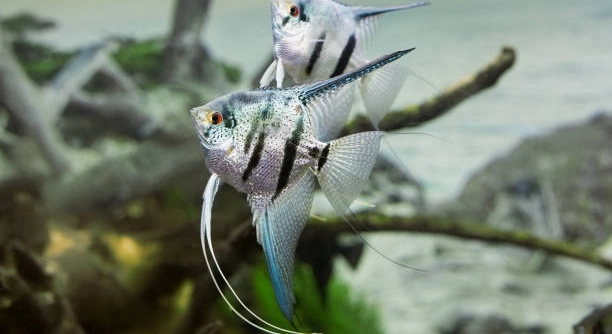
Angelfish are fascinating creatures that bring beauty to any aquarium. However, if you notice them avoiding certain areas of the tank, it may be a sign of underlying issues. Understanding their behavior can help create a more harmonious environment.
Angelfish may avoid specific areas of the tank due to factors like water quality, temperature, or even tank mates. They can be sensitive to changes in their environment and may avoid areas where conditions are less than ideal.
By understanding the reasons behind this behavior, you can ensure your angelfish thrive in their aquatic home. Keep reading to discover how to create a comfortable tank environment for them.
Poor Water Quality
Water quality is one of the most important factors that affect angelfish behavior. If the water is polluted or improperly balanced, your angelfish may avoid certain areas of the tank. High levels of ammonia, nitrites, or nitrates can make the environment toxic for your fish. It’s essential to maintain regular water changes and monitor the levels of these harmful substances. Additionally, if the pH is too high or low, it can stress your angelfish, leading them to avoid certain parts of the tank. Using a reliable water testing kit is a great way to stay on top of your tank’s condition.
When the water quality is compromised, angelfish may seek areas with cleaner water. Make sure to check filters and perform maintenance regularly to prevent this from happening.
You can also invest in a good filtration system to improve water flow. A cleaner environment promotes the overall health and well-being of your angelfish. This reduces the chances of them avoiding any area of the tank.
Incorrect Temperature
Angelfish are sensitive to temperature fluctuations. If the water is too cold or too warm, they may avoid certain areas. Angelfish thrive in temperatures ranging from 76 to 82°F (24-28°C). A sudden drop or spike in temperature can cause stress, which leads to behaviors like hiding. To ensure that the temperature is consistent, invest in a reliable heater and thermometer.
A stable environment is essential for your angelfish’s health. Temperature variations can cause discomfort, leading to them staying away from areas of the tank that feel unpleasant.
It’s also a good idea to place the heater near the filter to ensure an even distribution of warm water. Keeping the temperature steady reduces stress and encourages your angelfish to explore their tank without hesitation.
Inadequate Lighting
Lighting plays a significant role in the behavior of angelfish. If the tank is too dark or too bright, your angelfish might avoid certain areas. A well-lit tank with balanced lighting encourages them to explore and move freely.
Angelfish prefer a moderate amount of light, as it mimics their natural environment. Too much light can stress them out, making them avoid brightly lit areas. On the other hand, too little light can cause them to hide or stay inactive. It’s essential to maintain a consistent light cycle, typically 10-12 hours per day.
Proper lighting also helps maintain the overall health of the tank, promoting plant growth and preventing algae overgrowth. If your tank’s lighting isn’t ideal, consider adjusting the light intensity or adding plants to provide a more natural and balanced environment for your angelfish.
Stress from Frequent Changes
Frequent changes to the tank environment can stress angelfish, causing them to avoid certain areas. Changes like water alterations, moving decorations, or adding new tank mates can disrupt their sense of security.
When the tank environment is frequently altered, angelfish become unsure of their surroundings. They rely on a stable environment to feel safe. Frequent disruptions can make them avoid areas where they once felt comfortable.
To reduce stress, avoid making too many changes to the tank at once. If changes are necessary, make them gradually. This allows your angelfish to adapt to the new conditions and reduces their chances of avoiding certain tank areas due to stress.
Overcrowded Tank
An overcrowded tank can lead to stress for your angelfish. With too many fish in a confined space, angelfish may avoid certain areas to escape competition for food and territory. This can also lead to aggression.
To avoid this, ensure your tank is properly stocked according to the size of your fish and tank. Overcrowding can lead to poor water quality and stress, both of which cause angelfish to stay in certain areas or hide altogether.
Lack of Food
If your angelfish aren’t being fed properly, they might avoid areas of the tank where food is scarce. Poor feeding habits can also lead to weak fish who are less active.
Ensuring your angelfish are fed a balanced diet helps maintain their health and activity levels. Be sure to feed them at regular intervals and avoid overfeeding. Proper feeding will keep them active and encourage them to explore all areas of the tank.
Tank Water Salinity
If you have brackish water in your tank, fluctuations in salinity can affect your angelfish’s behavior. They might avoid certain areas where the salinity levels are not ideal for their needs.
Maintain a stable salinity level within the range your angelfish prefer to promote their well-being. Adjust the salinity slowly if needed, as sudden changes can stress them out and cause them to hide.
FAQ
Why is my angelfish staying at the bottom of the tank?
Angelfish might stay at the bottom of the tank if they are feeling stressed or unwell. Common reasons for this behavior include poor water quality, incorrect water temperature, or illness. It’s important to check the tank’s water parameters, such as pH, ammonia, and nitrate levels. If the water is not suitable, angelfish may hide at the bottom in an attempt to find cleaner, more comfortable areas. Additionally, if the temperature is too cold or too warm, they may stay low to the substrate where it feels more stable.
How can I tell if my angelfish is stressed?
Stressed angelfish may show behaviors like hiding, swimming erratically, or becoming aggressive toward other fish. They might also have a decrease in appetite and spend more time at the bottom or in the corners of the tank. Stress can be caused by factors like poor water quality, overcrowding, sudden changes in the environment, or aggressive tank mates. Watching your angelfish closely will help you recognize when something is wrong.
What is the ideal water temperature for angelfish?
Angelfish thrive in water temperatures between 76°F and 82°F (24-28°C). If the water is too cold or too hot, they may become stressed and avoid certain areas of the tank. To maintain a stable environment, use a reliable aquarium heater and thermometer. Regular monitoring of water temperature is crucial for their health.
Can angelfish live with other fish?
Yes, angelfish can live with other peaceful fish, but you need to be careful about choosing tank mates. Angelfish are territorial, and aggressive or overly active fish may cause stress. Tetras, Corydoras, and other similarly sized peaceful fish make good companions. Avoid keeping them with fin-nipping or aggressive species.
Why is my angelfish swimming sideways?
If your angelfish is swimming sideways or has difficulty swimming, it may have a swim bladder disorder. This can be caused by overfeeding, constipation, or an underlying illness. A proper diet and fasting for a few days can help with swim bladder issues. If symptoms persist, it’s best to consult a vet.
How often should I feed my angelfish?
Angelfish should be fed once or twice a day, depending on their age and size. Overfeeding can lead to water quality issues and obesity, while underfeeding can cause malnutrition. It’s important to provide a variety of foods, such as flakes, pellets, and occasional live or frozen food, to ensure they get all the necessary nutrients.
Can I keep angelfish in a tank with strong currents?
Angelfish generally prefer calm waters and might avoid areas with strong currents. If you have a tank with a powerful filter or water pump, consider positioning the filter output in a way that minimizes strong currents. You can also use plants or decorations to help diffuse the flow and create calmer areas for your angelfish to enjoy.
Do angelfish prefer specific tank decorations?
Angelfish enjoy having hiding spots and areas where they can feel secure. Plants, rocks, and driftwood work well in providing both cover and aesthetic appeal. Live plants also help maintain water quality by absorbing excess nutrients. Ensure the decorations are not too sharp, as they could harm your angelfish.
Why is my angelfish hiding all the time?
If your angelfish is constantly hiding, it might be stressed or ill. Poor water quality, aggressive tank mates, or sudden changes to the tank environment are common stressors. It’s essential to create a stable, peaceful environment with clean water and compatible fish to prevent this behavior.
Is it normal for angelfish to chase each other?
Some chasing is normal, especially when angelfish are establishing territory or engaging in mating behavior. However, excessive chasing or aggression can be a sign of stress or overcrowding. If the aggression becomes too much, you may need to re-arrange the tank or separate aggressive fish to reduce conflicts.
How do I know if my angelfish is breeding?
Breeding angelfish may display specific behaviors, such as pairing off with a mate, cleaning a flat surface (like a rock or leaf), and guarding eggs once they are laid. You may notice the male chasing the female or the two fish staying close together. After fertilization, the female will lay eggs, and both parents will guard and protect them.
Can angelfish live in a planted tank?
Angelfish can thrive in a planted tank, as long as the plants don’t interfere with their swimming space. Live plants provide hiding spots and natural filtration, which helps keep the water clean. Just make sure the plants you choose are not too delicate, as angelfish may occasionally nibble on them.
Why are my angelfish not eating?
If your angelfish is not eating, it could be due to several factors, including stress, illness, or changes in the water quality. Check your water parameters, look for signs of disease, and make sure they are being fed the appropriate food. Sometimes, offering a variety of foods can entice a reluctant eater.
Can angelfish live in a community tank?
Yes, angelfish can live in a community tank with other peaceful species. However, they are territorial and can become aggressive, especially during breeding. It’s important to choose tank mates that are compatible and not too small, as angelfish may view smaller fish as food.
How can I improve my angelfish’s health?
To improve your angelfish’s health, maintain a clean tank with proper water quality, temperature, and pH. Feed a balanced diet, ensure they have enough space, and minimize stress from other fish or environmental factors. Regularly monitor their behavior for signs of illness and act quickly if needed.
Final Thoughts
Angelfish are beautiful and resilient fish, but their behavior can be influenced by several factors in their environment. When they avoid certain areas of the tank, it’s important to consider aspects like water quality, tank size, and the presence of other fish. By paying close attention to these factors, you can create a space that allows your angelfish to thrive.
Ensuring that your angelfish feel safe and comfortable is key. Providing proper tank conditions, such as stable water temperature, good filtration, and a well-maintained environment, is essential. If your angelfish are showing signs of stress or avoiding certain areas, it may be a sign that something in the tank needs adjustment. Keeping an eye on their behavior and making necessary changes can lead to a healthier and more active fish.
By observing their habits and addressing their needs, you can improve the overall well-being of your angelfish. If your fish seem reluctant to explore parts of the tank, look for the underlying causes, such as stress or environmental factors. With patience and care, you can ensure your angelfish remain happy and healthy in their home.

Hello,
If you enjoy the content that we create, please consider saying a "Thank You!" by leaving a tip.
Every little bit helps us continue crafting quality advice that supports the health, happiness, and well-being of pets around the world, for pets of all shapes, sizes, and species.
We really appreciate the kindness and support that you show us!