
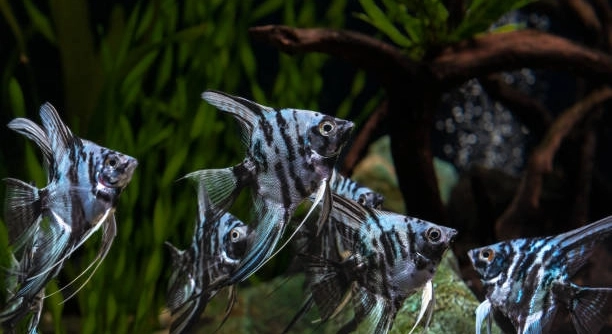
Maintaining a peaceful and calm environment for your angelfish is essential. Excessive noise in their tank can cause stress and disrupt their natural behavior. Understanding how to reduce noise will create a healthier habitat for your fish.
There are several effective ways to reduce noise in an angelfish tank, such as adjusting the filter flow, using quieter equipment, and adding foam or sound-dampening materials. Minimizing disturbances will ensure a more tranquil environment for your fish to thrive.
Reducing tank noise will contribute to a calmer environment, benefiting your fish’s health and behavior. Implementing these tips can lead to a more peaceful aquarium.
Adjust the Filter Flow
The filter in your angelfish tank is often one of the largest sources of noise. Filters create water movement, which can lead to sounds that echo throughout the tank. By adjusting the flow, you can significantly reduce this noise. Lowering the flow rate or switching to a quieter filter model may help. You can also place the filter intake at a different position to minimize turbulence.
Sometimes, a more powerful filter isn’t necessary for maintaining water quality. Opting for a less noisy filter can still keep the water clear without the unwanted noise.
It’s important to find a balance between water movement and tranquility. Too little water movement can harm water quality, but excessive noise can cause stress for your angelfish. A quiet filter that still provides adequate filtration will make your tank much more peaceful. Additionally, ensure the filter is properly maintained, as dirt or clogging can cause it to make more noise than usual.
Choose Quieter Equipment
Opting for quieter equipment can make a noticeable difference in your tank’s noise levels. Many devices, including pumps, heaters, and aerators, have quiet versions designed specifically for aquarium use.
Investing in these quieter alternatives will contribute to a peaceful and less stressful environment for your angelfish. This can help maintain their health over time.
Add Foam or Sound-Dampening Materials
Adding foam or sound-dampening materials can absorb and reduce noise in your angelfish tank. Placing these materials near the filter or other noisy equipment can make a big difference.
You can use aquarium-safe foam or even inexpensive materials like acoustic foam. These materials can help mute mechanical noise while still being safe for the tank. If you place them around the filter or under the pump, they will help soften the sound. Just be sure not to block water flow, as it could impact the filter’s performance.
Another option is using soundproof mats or mats made for aquariums. These are often designed to minimize vibrations, which are a major source of noise. Adding these materials to your tank setup could lead to a much quieter aquarium environment.
Opt for Substrate That Absorbs Sound
The substrate in your tank can also affect noise levels. Hard substrates, like gravel, can amplify sounds from the filter or water movement. Using softer substrates, such as sand, can help absorb some of the noise.
A softer substrate creates less disturbance to the water when fish swim or when equipment stirs up debris. It can help soften the sounds that are transmitted through the tank. Sand, in particular, is good at absorbing vibrations and sound. It’s also easy to clean and maintain, making it a practical solution.
Consider choosing a substrate that blends well with your tank’s design while also helping to reduce noise. By changing your substrate to something softer, you’ll create a more peaceful atmosphere for your angelfish, contributing to their overall well-being.
Keep the Tank Covered
A tank cover can help reduce noise by trapping sound within the aquarium. It prevents the splashing of water and other noises from escaping into the room.
You can use a simple glass or plastic cover that fits securely over the top of the tank. This will help minimize noise from water movement and air bubbles.
Besides reducing noise, a tank cover also helps maintain water temperature and keeps debris out. It’s a practical solution that benefits both the noise level and the overall tank environment.
Maintain the Tank Properly
Regular tank maintenance plays a key role in reducing noise. Cleaning the filter and checking for any debris buildup can prevent excess noise caused by clogs.
Routine cleaning will also keep the tank running efficiently. A properly maintained tank has fewer vibrations, making it quieter. Even a slight buildup can cause the filter to work harder, creating unnecessary noise. Ensure the equipment is in good working order to avoid additional sound from malfunctioning parts.
FAQ
Why is my angelfish tank so noisy?
A noisy angelfish tank is often caused by equipment such as the filter, pump, or aerator. Water movement and mechanical sounds from these devices can create a lot of noise. Poorly maintained equipment can also increase noise levels, especially if it’s clogged or malfunctioning. Additionally, gravel or hard substrates can amplify the sound, making the tank feel louder than it actually is.
How can I quiet my filter?
To reduce the noise from your filter, first check if it’s clean. Dirty filters can make more noise as they struggle to pull water through clogged areas. You can also adjust the flow rate to a lower setting. Switching to a quieter filter model or placing it on a sound-absorbing mat can also help reduce noise. In some cases, installing foam around the intake tube can minimize the water splashing sound.
Do angelfish mind the noise in the tank?
Yes, angelfish can be stressed by constant noise. Excessive noise in the tank can interfere with their natural behavior and cause anxiety. Fish, like angelfish, are sensitive to changes in their environment, including sound. Prolonged exposure to noise can even affect their health, making them more prone to diseases or causing them to become more aggressive.
Is it necessary to turn off the equipment at night?
Turning off the equipment at night is not generally recommended, as it could disrupt the water filtration process and oxygen levels. However, if your tank’s noise is particularly disturbing at night, consider using quieter equipment or installing a noise-dampening material around the equipment. Keeping your equipment running during the night helps maintain water quality and ensures a steady environment for your fish.
How do I know if my filter is too noisy?
If your filter produces a constant loud hum or buzzing noise, it may be too noisy for your angelfish tank. Normally, a filter should make a soft hum, and you should barely notice it running unless you’re standing close. If the noise is noticeable or bothersome, check for obstructions or clogs that could be causing the noise. A change in the filter sound could also indicate a malfunction that needs attention.
Can changing the substrate help reduce tank noise?
Yes, changing the substrate to something softer, like sand, can reduce noise. Harder substrates like gravel can amplify the noise from water movement and mechanical devices. Sand absorbs some of the vibrations, making the tank quieter. It also helps in creating a calmer, less disturbed environment for your fish.
Are there any quiet filter options for an angelfish tank?
Yes, there are many quiet filter options available for aquariums. Look for filters specifically designed to reduce noise, such as sponge filters or canister filters with noise-reducing features. Additionally, many brands offer silent or ultra-quiet versions of their popular filter models, which can be great for keeping your tank peaceful.
What can I do if my tank’s noise is affecting my sleep?
If the noise is affecting your sleep, try adjusting the placement of the tank. Move it to a more isolated part of the room or away from your sleeping area. Using quieter equipment, such as a low-flow filter, can also help reduce the noise. Adding a cover to the tank can also trap sound and prevent it from escaping into the room. If needed, consider using a noise machine to mask the sound of the tank at night.
How often should I clean the filter to keep noise levels down?
It’s important to clean your filter regularly to maintain optimal noise levels. Depending on the type of filter, cleaning every 2-4 weeks should be sufficient. If your tank has a high bioload, you might need to clean it more frequently. Always check for any blockages or buildup inside the filter that could cause extra noise.
Can I use foam or mats to reduce noise in my tank?
Yes, using foam or mats designed for aquariums is a great way to reduce noise. These materials help absorb sound and vibrations, preventing them from traveling through the tank. You can place foam around noisy equipment, such as the filter or pump, or use soundproof mats under the tank to reduce vibrations. Just be sure to choose aquarium-safe options to avoid any harm to the fish.
Is it safe to reduce the water flow in my angelfish tank to reduce noise?
Reducing water flow can help reduce noise, but it’s important to strike the right balance. Angelfish, like most fish, need proper water circulation to stay healthy. If you reduce the flow too much, it could lead to water quality issues. Consider adjusting the flow to a moderate setting, or switching to a quieter filter with a lower flow rate if noise is a concern.
Final Thoughts
Reducing noise in an angelfish tank can greatly improve the overall experience for both you and your fish. While some noise is inevitable due to equipment like filters and pumps, there are simple steps you can take to minimize it. Keeping your equipment clean and well-maintained is one of the most effective ways to prevent unnecessary noise. Regular cleaning ensures that your filter and other devices run smoothly, without making unnecessary sounds due to clogs or wear. Additionally, using sound-dampening materials, such as foam or mats, can further absorb noise and reduce vibrations.
Choosing quieter equipment and adjusting the water flow can also help create a peaceful environment. Look for filters and pumps specifically designed to operate quietly. If you’re dealing with particularly loud equipment, consider switching to more silent options. Reducing the water flow in your tank can cut down on splashing and turbulence, but be mindful of your fish’s needs. Angelfish require adequate water circulation, so aim for a moderate flow rate that keeps the tank quiet without compromising the health of your fish.
Finally, don’t forget the importance of a clean and comfortable environment for your angelfish. A peaceful tank not only reduces stress for your fish but also contributes to their overall well-being. Keeping the noise levels under control will help ensure that your fish remain calm and healthy. By applying these strategies, you can enjoy a quieter, more serene aquarium that benefits both you and your angelfish.

Hello,
If you enjoy the content that we create, please consider saying a "Thank You!" by leaving a tip.
Every little bit helps us continue crafting quality advice that supports the health, happiness, and well-being of pets around the world, for pets of all shapes, sizes, and species.
We really appreciate the kindness and support that you show us!