
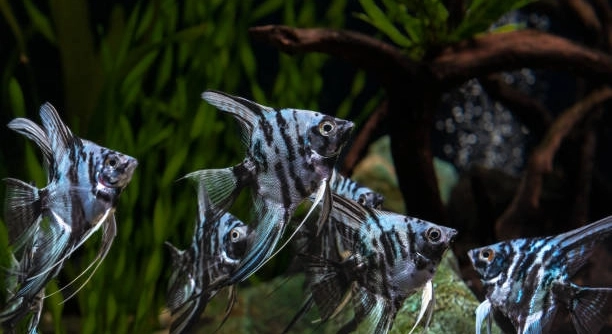
Angelfish are known for their graceful movements, but if you’ve noticed your angelfish chasing its own tail, it can be concerning. This behavior might be a sign of something more than just playfulness.
The behavior of angelfish chasing their tails can result from stress, boredom, or health issues. It’s important to consider environmental factors, tank mates, and their overall health to better understand why this behavior is occurring.
Addressing the root causes of this behavior will help ensure your angelfish’s well-being and peace in their environment. Understanding these factors will allow you to take proper steps to fix the issue.
Stress and Anxiety in Angelfish
One of the most common reasons for angelfish chasing their tail is stress. Fish, like all pets, are sensitive to their environment, and changes can trigger unwanted behaviors. Stress in angelfish can result from water quality issues, sudden changes in temperature, or a noisy tank environment. These factors can make the fish feel unsettled and lead to erratic movements like tail chasing.
A stressed angelfish may exhibit other signs such as hiding, reduced activity, or even refusing to eat. Ensuring stable water conditions, maintaining proper tank size, and minimizing disturbances can help reduce stress. Keep an eye on your fish for any additional behaviors indicating distress.
Sometimes, stress might be triggered by more than just the environment. Overcrowding or aggressive tank mates could also play a role. If your angelfish is in a tank with other fish that are too active or territorial, it could cause stress. Make sure the tank is spacious enough for all inhabitants and that any potential aggressive behaviors are minimized.
Boredom and Lack of Stimulation
Angelfish are intelligent creatures and need mental stimulation to stay healthy. If your fish isn’t getting enough engagement in its environment, it may begin to chase its own tail as a form of entertainment.
To prevent this, make sure your angelfish has plenty of hiding places, plants, and items to explore in the tank. Adding new objects or rearranging the tank occasionally can provide new stimulation. A lack of stimulation might also result in less movement, so adding a few compatible tank mates could encourage more activity.
Poor Water Quality
Water quality is critical for the health of angelfish. If the water isn’t clean or has the wrong levels of pH, ammonia, or nitrate, your fish can become stressed and act out, including chasing its tail.
Make sure to test your tank’s water regularly, using water conditioners and performing partial water changes. Poor water quality can also weaken the fish’s immune system, making them more vulnerable to diseases. Keeping the tank’s filter in good working condition and monitoring for any signs of pollution will help maintain a safe, healthy environment.
Investing in a quality filtration system and performing regular maintenance ensures that your angelfish stay healthy and stress-free. It also promotes better growth and overall well-being. Regular water checks will help you catch any problems before they escalate. If your angelfish is chasing its tail, it’s worth checking water conditions as soon as possible to rule out any contamination or imbalance.
Aggressive Tank Mates
Aggressive tank mates can stress out your angelfish, causing them to chase their tail. If other fish are constantly nipping or bullying the angelfish, it might react in abnormal ways.
Make sure your tank mates are compatible with angelfish. Fish with territorial behavior or high activity can disturb a more peaceful angelfish, leading to stress and erratic behavior. Avoid placing angelfish with overly aggressive fish or species that might harass them.
A peaceful community tank, with carefully selected species, will help keep your angelfish calm. If possible, observe your fish’s behavior with other tank mates to ensure that no aggression is happening. Make adjustments if you see signs of stress, which can also help prevent other negative behaviors from developing.
Illness or Injury
Illness can cause angelfish to behave unusually, including chasing their own tail. If your fish has an injury or is feeling unwell, it may act out as a coping mechanism.
Look for other signs of illness like discoloration, unusual swimming patterns, or loss of appetite. If these symptoms are present, it’s time to consult with an aquarium specialist. Infected or stressed fish might also exhibit erratic movements in an attempt to ease discomfort.
If you suspect your angelfish is sick, isolate it from other fish to avoid spreading potential diseases. Providing a quiet and stress-free environment can help them recover. A healthy fish is less likely to chase its tail, so proper care is essential.
Lack of Space
Angelfish need room to swim freely. In a cramped tank, they may begin to display stress behaviors like tail chasing.
Ensure your tank is large enough to accommodate the number of fish you have. A crowded tank can lead to territorial disputes and stress. Providing adequate space will help prevent these issues and promote a peaceful environment.
A larger tank also allows the fish to swim naturally, reducing the likelihood of abnormal behaviors. If your angelfish has limited space, consider upgrading to a larger tank to improve its well-being and prevent unnecessary stress.
Water Temperature
Angelfish are sensitive to temperature fluctuations. Water that’s too warm or too cold can make them feel uncomfortable, leading to abnormal behavior like tail chasing.
Maintaining a stable water temperature is key for your fish’s health. Angelfish thrive in temperatures between 76°F and 82°F (24°C and 28°C). Keep an aquarium thermometer to monitor the water and adjust heaters if needed. Extreme shifts in temperature, even if gradual, can still lead to stress.
Ensure that your tank’s temperature is consistent. This simple adjustment can make a big difference in how your angelfish behaves, promoting a more relaxed and stable environment.
FAQ
Why is my angelfish chasing its own tail?
Tail chasing in angelfish is often a sign of stress or discomfort. It can be caused by factors like poor water quality, lack of space, or aggressive tank mates. Illness or injury can also lead to abnormal behavior. It’s important to address these environmental and health concerns to stop this behavior.
How can I reduce stress in my angelfish?
To reduce stress, make sure your angelfish’s tank has stable water conditions, proper filtration, and enough space. Avoid overcrowding and ensure your fish are compatible with each other. Regular water changes and creating hiding spots can also help reduce stress levels.
What water conditions should I maintain for my angelfish?
Angelfish thrive in water with a pH between 6.8 and 7.8, and temperatures between 76°F and 82°F. Ammonia and nitrite levels should be zero, and nitrate levels should stay below 20 ppm. Regular water changes and proper filtration are essential to maintain these conditions.
Can poor water quality cause tail chasing?
Yes, poor water quality is one of the most common causes of abnormal behavior like tail chasing. High levels of ammonia, nitrites, or nitrates can stress your fish, leading to tail chasing or other signs of distress. Regular water testing and maintenance can help prevent this.
Can tank mates affect my angelfish’s behavior?
Aggressive or overly active tank mates can cause stress, which may result in behaviors like tail chasing. It’s best to choose peaceful, compatible species that won’t intimidate or disturb your angelfish. Ensuring the tank is spacious enough for all inhabitants also helps reduce aggression.
Should I quarantine an angelfish that is tail chasing?
If you suspect your angelfish is sick or injured, it’s a good idea to quarantine it to prevent spreading any potential diseases. A quiet, separate environment can also help reduce stress, allowing the fish to recover more comfortably.
How do I know if my angelfish is stressed?
Signs of stress in angelfish include erratic swimming, lack of appetite, hiding, tail chasing, and unusual markings on the body. Stress can also cause the fish to become more aggressive or lethargic. Keeping an eye on these behaviors can help identify stress early.
Can angelfish become stressed from overfeeding?
Yes, overfeeding can lead to water quality problems, which in turn can stress your angelfish. Uneaten food breaks down and pollutes the tank, affecting water quality. Make sure to feed your fish only what they can consume in a few minutes to avoid overfeeding.
Is it okay to have only one angelfish?
While it’s fine to have a single angelfish, they are social animals and benefit from the presence of other peaceful fish. However, keeping a single angelfish can reduce the chances of territorial disputes and help avoid any aggression-related stress.
Can I treat tail chasing with medication?
Medications are not typically needed unless the behavior is caused by illness. If you suspect your angelfish is sick, consult an expert for a diagnosis before treating it with medication. For stress-related tail chasing, improving water quality and tank conditions is usually more effective.
How do I improve the tank’s water quality?
Regular water changes, proper filtration, and monitoring water parameters like pH, ammonia, nitrate, and nitrite levels can greatly improve water quality. Using a good aquarium test kit helps ensure your water is within the ideal range for angelfish. Keeping the tank clean and free from excess waste also contributes to better water quality.
Should I change the tank’s layout to prevent tail chasing?
Yes, rearranging the tank or adding new decorations and hiding spots can help reduce boredom and stress in your angelfish. It provides mental stimulation and allows the fish to explore new areas of their environment, which can discourage behaviors like tail chasing.
Can I use a tank divider to reduce aggression?
A tank divider can be useful if you have aggressive tank mates. It allows you to separate the fish without completely removing them from the tank. This can help reduce stress and territorial aggression while still maintaining a peaceful environment for your angelfish.
How can I tell if my angelfish has an injury?
Injuries on angelfish may appear as scratches, torn fins, or unusual markings. If your fish is chasing its tail and has signs of injury, it could be attempting to heal. Inspect the fish closely for any visible wounds or abnormal behavior that may point to physical damage.
Can I add more fish to the tank to stop tail chasing?
Adding more fish may help, but only if they are compatible with your angelfish. Ensure the new fish are peaceful and won’t add to the stress. Overcrowding can make the problem worse, so always consider the size of your tank and the temperament of the fish before adding more.
What temperature is best for my angelfish?
Angelfish do best in water temperatures between 76°F and 82°F (24°C to 28°C). Fluctuations outside this range can cause stress, leading to abnormal behaviors like tail chasing. Use an aquarium heater to maintain a consistent temperature and keep your angelfish comfortable.
Can angelfish chase their tail when bored?
Yes, boredom is another common cause of tail chasing in angelfish. Without enough mental stimulation, they may resort to repetitive actions like chasing their tail. Providing plenty of hiding places, live plants, and tank decorations can keep your angelfish entertained and prevent this behavior.
How often should I perform water changes?
Performing water changes at least once a week is essential for maintaining healthy water quality. More frequent changes may be necessary if you have a heavily stocked tank. Regular maintenance helps reduce stress and promotes a healthy environment for your angelfish.
Can a small tank cause tail chasing?
Yes, a small tank can lead to tail chasing. Angelfish need space to swim and explore. In a cramped tank, they may become stressed and exhibit abnormal behaviors. A minimum tank size of 30 gallons is recommended for angelfish to provide adequate space and promote well-being.
Do angelfish get stressed during tank maintenance?
While some disruption may cause temporary stress, regular tank maintenance is essential for the health of your fish. It’s important to be gentle when cleaning the tank and avoid causing sudden disturbances. Consistent care will help keep your angelfish calm and reduce stress over time.
Final Thoughts
Angelfish chasing their own tail can be a puzzling and concerning behavior for any aquarium owner. While it might seem harmless at first, it often indicates underlying issues like stress, poor water quality, or even injury. Understanding why your angelfish is engaging in this behavior is key to resolving the problem. By addressing factors like tank conditions, tank mates, and general well-being, you can ensure a healthier environment for your fish and prevent this behavior from becoming a regular occurrence. Regular observation and prompt action can make a big difference in their behavior and overall health.
One of the most important steps in correcting tail-chasing behavior is improving the tank’s water quality. Keeping ammonia, nitrites, and nitrates at safe levels is vital. Additionally, maintaining the proper temperature, pH level, and providing adequate space for your fish to swim are essential. Regular water changes and investing in a reliable filtration system will go a long way in keeping your angelfish happy. A clean, well-maintained tank can reduce stress and minimize the risk of your fish engaging in unnecessary or harmful behavior.
In addition to water quality, providing your angelfish with a suitable environment is crucial. Avoid overcrowding the tank and ensure that your fish have enough space to establish their territory. Introducing peaceful tank mates that won’t cause stress is also important. If your angelfish is still chasing its tail despite these adjustments, further investigation into its health and possible injuries may be necessary. Tail chasing is not something to ignore, and early intervention can help prevent more serious health issues in the future. By staying attentive to their needs, your angelfish can thrive in a peaceful and stress-free environment.

Hello,
If you enjoy the content that we create, please consider saying a "Thank You!" by leaving a tip.
Every little bit helps us continue crafting quality advice that supports the health, happiness, and well-being of pets around the world, for pets of all shapes, sizes, and species.
We really appreciate the kindness and support that you show us!