
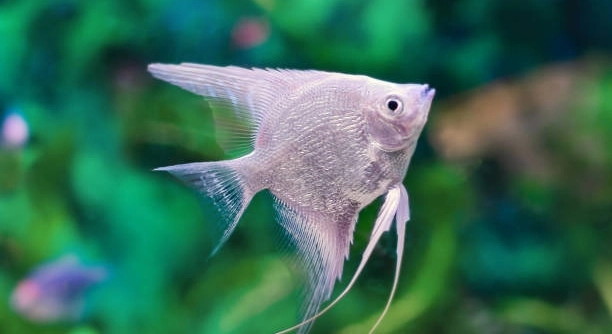
Angelfish are popular aquarium fish known for their beauty and calm demeanor. Providing them with proper hiding spots is essential for their well-being. One common question is whether angelfish enjoy caves or similar shelters in their environment.
Angelfish do enjoy having caves or hiding spots in their tank. These hiding spaces help reduce stress and provide a sense of security, allowing angelfish to retreat and feel safe when they need to rest or avoid aggressive tankmates.
Providing angelfish with caves and hiding spots can improve their health and happiness in the tank. There are several key reasons for this.
Why Angelfish Need Hiding Spots
Angelfish are naturally curious, but they can also be quite sensitive to their surroundings. In the wild, they seek shelter in plants, rocks, or crevices to protect themselves from predators and harsh conditions. Providing caves or other hiding spots in an aquarium mimics this natural behavior. Without these spaces, angelfish may feel exposed and stressed, which can lead to health problems or even aggression. The right hiding spot gives them a place to retreat when they need a break, offering peace of mind. This helps maintain their overall well-being in the tank.
These spots don’t just offer safety; they also provide a place for angelfish to establish territory. Angelfish are territorial creatures, and having a hiding spot allows them to feel more secure, especially in tanks with other fish. This also promotes healthier behavior, reducing stress and aggression.
With the addition of caves or shelters, angelfish are likely to show more natural and peaceful behaviors. Their overall mood improves, which reflects positively on their physical health. A stress-free fish is a healthy fish, making hiding spots essential in any aquarium setup.
Benefits of Hiding Spots
Hiding spots in aquariums provide more than just shelter. They improve the water quality by offering spaces for beneficial bacteria to grow, which helps in the biological filtration process. This, in turn, leads to a cleaner and healthier tank environment.
A well-placed hiding spot can also encourage angelfish to exhibit natural behaviors, such as exploring and socializing with other fish. When they feel secure, they are less likely to hide all the time. Instead, they may come out and interact with tankmates or feed in a more relaxed state. This results in a more active, lively aquarium.
Furthermore, adding these spots can help angelfish avoid aggressive encounters with other fish. Tanks with multiple species can sometimes lead to competition for space. Caves and hiding spots give angelfish a safe space to avoid conflicts and feel secure.
Types of Hiding Spots for Angelfish
There are various hiding spots that can be added to an aquarium for angelfish. Rocks, caves, and plants are common choices. Each provides a different level of coverage and comfort for the fish.
Rocks and caves are ideal because they offer a secure, enclosed space for angelfish. They can hide inside to escape from other tankmates or stressful situations. Natural-looking caves blend well with the aquarium, and they give angelfish the privacy they need without feeling isolated. Additionally, these structures can encourage angelfish to display more natural behaviors, such as hiding or exploring.
Aquarium plants can also serve as hiding spots, though they don’t offer the same level of security as caves or rocks. Dense plants can create a barrier where angelfish can hide while still being able to move freely. Plants also contribute to the overall aesthetic of the tank, adding color and texture.
Placement of Hiding Spots
The placement of hiding spots plays a crucial role in their effectiveness. A hiding spot placed in an area where angelfish feel safe and less exposed can greatly reduce stress. It’s best to place shelters in locations where the fish feel comfortable, like near the tank’s edges or in corners.
Avoid placing hiding spots too close to the filter or heater. These areas tend to have stronger currents or temperature fluctuations, which could make angelfish feel uneasy. Instead, look for calm areas with stable water conditions. This will encourage angelfish to use their hiding spots more frequently, ensuring they feel secure.
Additionally, providing multiple hiding spots can reduce territorial disputes. If there are enough hiding spots for all the fish in the tank, it helps prevent aggressive behavior and provides more opportunities for angelfish to relax without competition.
How Hiding Spots Affect Angelfish Behavior
Adding hiding spots significantly impacts angelfish behavior. With secure spaces to retreat to, angelfish feel safer and less stressed, encouraging natural behaviors like exploring, feeding, and socializing.
Without hiding spots, angelfish may exhibit signs of stress, including hiding constantly or becoming more aggressive. The presence of shelters helps them feel more secure and confident.
Health Benefits of Hiding Spots
Hiding spots contribute to angelfish health by providing them with a safe environment, reducing stress, and lowering the risk of diseases. Stress can weaken their immune system, making them more susceptible to illness. By offering a retreat, hiding spots help maintain a balanced, healthier life for angelfish.
Fish that are stressed may become lethargic or lose their appetite. By reducing stress with hiding spots, they are more likely to eat properly and remain active. This ensures they stay physically fit, which is crucial for their long-term health and well-being.
Avoiding Overcrowding in Hiding Spaces
While hiding spots are essential, overcrowding should be avoided. Too many fish in one hiding space can lead to stress and competition. Make sure there are enough spots for all tankmates to have their own space.
Overcrowding hiding spots can cause angelfish to feel trapped, leading to anxiety or aggression. Spreading out hiding spots across the tank helps maintain peaceful coexistence and ensures every fish has a place to feel secure.
FAQ
Do angelfish need hiding spots?
Yes, angelfish benefit greatly from having hiding spots. These spaces provide them with a sense of security, reducing stress and promoting healthier behavior. Without them, angelfish may become stressed, which could lead to aggression, loss of appetite, or even illness. Having hiding spots allows angelfish to feel more at ease and less exposed, encouraging them to act naturally. A stress-free environment is key to their well-being.
What are the best hiding spots for angelfish?
Caves, rocks, and dense plants are some of the best hiding spots for angelfish. These structures mimic natural environments, giving the fish a safe place to retreat. Caves or rock formations with openings allow the angelfish to enter and exit as needed, offering privacy without feeling isolated. Plants are also effective, though they provide less security than rocks or caves. A mix of these elements will give angelfish the most variety in their tank.
Can angelfish hide in plants?
Yes, angelfish can use plants as hiding spots, though they may not be as secure as caves or rocks. Dense plants provide shelter and help angelfish feel less exposed. Angelfish can swim in and out of plants, using them to find moments of calm when they need a break from other fish. However, plants should be large enough and not placed in areas where strong currents could disturb the fish.
How many hiding spots do angelfish need?
It’s recommended to provide at least one hiding spot for each fish in the tank. If you have multiple angelfish or other fish species, make sure to add enough hiding spaces to prevent competition and territorial disputes. This helps ensure that every fish has a safe place to retreat to when they feel threatened or stressed. Multiple hiding spots also help create a more balanced tank environment, where fish can coexist peacefully.
Do angelfish fight over hiding spots?
Angelfish can become territorial, especially if there aren’t enough hiding spots in the tank. In tanks with limited hiding spaces, angelfish may compete for shelter, leading to aggression and stress. To avoid this, provide enough hiding spots for each fish, spreading them out across the tank. This way, no angelfish will feel the need to fight over space, and each fish can enjoy their own area of security.
Can hiding spots reduce angelfish stress?
Yes, hiding spots play a crucial role in reducing angelfish stress. When angelfish feel exposed or threatened, they can retreat to their hiding spots to relax and regain their sense of security. Without this option, they may become anxious or more aggressive, impacting their health and overall behavior. Providing hiding spaces mimics their natural environment, promoting a calmer and more peaceful tank atmosphere.
How do hiding spots affect angelfish breeding?
Hiding spots can positively impact angelfish breeding by providing them with a secure, private space. Angelfish are more likely to breed when they feel safe and undisturbed. Having caves or sheltered areas allows them to choose an appropriate space for spawning, where they can lay their eggs and protect them from potential threats. By reducing stress, hiding spots encourage angelfish to engage in more natural reproductive behaviors, which can lead to successful breeding.
Are artificial caves or rocks suitable for angelfish?
Yes, artificial caves and rocks can be suitable for angelfish, as long as they are designed to mimic natural hiding spots. Choose aquarium decorations that are smooth and free of sharp edges to avoid injury to your fish. Artificial caves that resemble natural rock formations can provide an effective and secure hiding place for angelfish. Just ensure that these structures are stable and won’t collapse or shift in the tank.
Can hiding spots improve angelfish health?
Providing hiding spots can improve angelfish health by reducing stress. Fish that are stressed are more susceptible to diseases and injuries. Hiding spots allow angelfish to retreat when they feel threatened, helping them avoid constant stress. Over time, this can lead to better feeding habits, more social interaction, and a generally healthier fish. Reducing stress through hiding spots is one of the simplest and most effective ways to support angelfish health.
Can too many hiding spots harm angelfish?
Having too many hiding spots is unlikely to harm angelfish, but it could lead to overcrowding in certain areas. If the hiding spots are cramped or too numerous, they might cause the fish to feel trapped. It’s important to strike a balance. Ensure that hiding spots are spread out throughout the tank, offering plenty of space for each fish to access a retreat without feeling confined. This will help create a more comfortable environment where angelfish can relax without unnecessary stress.
Do angelfish need hiding spots in community tanks?
Yes, angelfish still need hiding spots in community tanks. Even though community tanks tend to be less aggressive, angelfish may still need places to hide from more active or assertive tankmates. Hiding spots help them escape when they need a break, promoting a peaceful environment and reducing the risk of stress-related behavior. Providing hiding spaces ensures that all fish in the tank, including angelfish, can feel secure and comfortable in their shared habitat.
Can angelfish live without hiding spots?
While angelfish can technically live without hiding spots, it’s not ideal. Lack of hiding spots increases stress and can lead to health problems like aggression, poor appetite, and weakened immunity. They thrive in environments where they feel safe and have the opportunity to retreat when necessary. Therefore, adding hiding spots is highly recommended for their well-being, especially in tanks with multiple fish or busy environments.
Final Thoughts
Hiding spots are essential for angelfish, as they help create a secure environment where these fish can feel safe and reduce stress. Stress is one of the main factors that can negatively affect angelfish health, leading to issues such as loss of appetite, aggression, or even a weakened immune system. By providing hiding spots, whether they are plants, rocks, or caves, you give your angelfish a retreat that allows them to rest and avoid feeling exposed. A stress-free environment is key to encouraging natural behaviors like swimming, feeding, and socializing, which are important for overall well-being.
Creating a tank with plenty of hiding spots will also help prevent aggression between angelfish and other tankmates. Angelfish can become territorial, and without enough space to retreat, they may fight over shelter, leading to injuries or increased stress. By ensuring there are enough hiding spots spread throughout the tank, each fish will have its own space to feel secure. This also helps reduce the risk of overcrowding in one spot, which can cause further stress and discomfort. When fish have access to personal space, they are more likely to coexist peacefully, which leads to a healthier tank environment for all inhabitants.
In summary, adding hiding spots to your angelfish tank is a simple yet effective way to promote the health and happiness of your fish. It provides them with the opportunity to retreat and relax when needed, reduces stress, and helps prevent territorial conflicts. With the right setup, you can ensure that your angelfish live in an environment that supports their natural behaviors and well-being. Taking the time to create a comfortable, secure habitat for your angelfish will ultimately lead to a thriving and peaceful tank.

Hello,
If you enjoy the content that we create, please consider saying a "Thank You!" by leaving a tip.
Every little bit helps us continue crafting quality advice that supports the health, happiness, and well-being of pets around the world, for pets of all shapes, sizes, and species.
We really appreciate the kindness and support that you show us!