
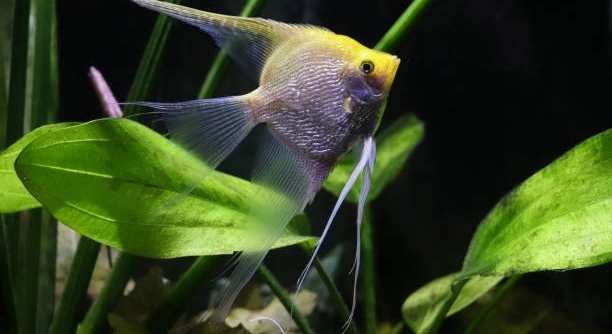
Angelfish are fascinating creatures, often admired for their beauty and grace. Understanding their behavior can provide valuable insights into their cognitive abilities, including whether they can recognize their reflection. This curiosity raises many interesting questions.
Research indicates that angelfish can indeed recognize their own reflection. Studies have shown that they can differentiate between themselves and other fish when exposed to mirrors. This ability demonstrates a level of self-awareness uncommon in many animal species.
Exploring how angelfish perceive their reflection can offer a deeper understanding of their cognitive abilities and behavior in their natural environment.
Can Angelfish Recognize Their Reflection?
Angelfish are known for their elegant appearance and peaceful nature. They are commonly kept in home aquariums, where their behavior often piques the interest of fish owners. One common question that arises is whether these fish can recognize their reflection. This ability would suggest a level of self-awareness that is not commonly found in many species of fish. Various studies have been conducted to explore this question and reveal some surprising findings about their cognitive abilities. Understanding these behaviors can shed light on how these fish perceive their surroundings and interact with them.
Fish have long been thought to lack self-awareness. However, recent research has shown that some species, including angelfish, possess the ability to recognize their reflection. This is an indicator of cognitive complexity and suggests that they can differentiate themselves from their environment. This finding challenges previous assumptions about fish intelligence.
Recognizing their reflection in a mirror provides important insight into the angelfish’s mental processes. It shows that they are capable of distinguishing themselves from other objects, indicating a higher level of awareness than what was previously believed. While not all fish exhibit this behavior, angelfish have proven to be an exception. This discovery opens up new avenues for exploring how other aquatic species perceive themselves and their surroundings.
Why This Ability Matters
Self-awareness is a complex trait that is often associated with higher cognitive functions. For angelfish, recognizing their reflection is not just about identifying themselves but also understanding their presence in relation to the environment. It helps them respond to changes in their surroundings more effectively.
This behavior is not unique to angelfish. Other fish species, such as cleaner wrasse, have demonstrated similar self-recognition abilities. However, angelfish provide an interesting case due to their unique characteristics and behaviors in captivity. Their self-awareness can impact how they interact with their environment, such as reacting to perceived threats or competing for resources. This ability to recognize their own reflection shows that angelfish are more aware of their surroundings than previously thought, making them more adaptable in their natural habitat.
How Angelfish Respond to Their Reflection
When angelfish first encounter their reflection, they may act cautiously or show signs of curiosity. This initial response is similar to how many other fish behave when introduced to a new environment. Over time, they may begin to exhibit more complex reactions, such as exploring the mirror or engaging in territorial behaviors.
In some cases, angelfish have been observed attempting to interact with their reflection. They might follow the movements in the mirror or even display defensive behaviors, such as puffing up or attempting to chase away the “intruder.” This behavior indicates that they recognize something in the reflection as part of their environment, even if they don’t fully understand it as themselves.
These reactions suggest that angelfish are capable of understanding their environment in a more intricate way than initially thought. The ability to recognize a reflection could help them gauge their space, identify threats, and engage in social interactions.
The Role of the Mirror Test in Animal Behavior Studies
The mirror test is a common experiment used to assess self-recognition in animals. While not all species pass the test, those that do demonstrate higher cognitive abilities. Angelfish, in particular, have shown an interesting response to mirrors that challenges assumptions about fish intelligence.
Studies using the mirror test involve placing a mark on an animal that it cannot see naturally but can view through a mirror. If the animal attempts to remove or investigate the mark on its body, it is considered a sign of self-recognition. Angelfish have passed this test in some instances, suggesting they possess a degree of self-awareness. Although not all individuals may respond the same way, the results challenge long-held beliefs about fish behavior and cognition. This finding opens doors for further research into fish intelligence and the extent of their self-recognition abilities.
Can Angelfish Be Trained Using Mirrors?
Angelfish can sometimes learn behaviors through the use of mirrors. This process can help them become more comfortable with their reflection and potentially modify their actions based on visual feedback. Such training, though, requires time and patience to establish.
Using mirrors to train angelfish involves exposing them to their reflection repeatedly, allowing them to become familiar with it. Over time, they may learn that the image they see in the mirror does not pose a threat. This understanding can lead to changes in how they react to the mirror, showing that they can adapt their behavior based on visual cues.
This process of training offers interesting insights into the cognitive abilities of angelfish. Their responses to mirrors reveal that they are capable of learning and adapting, suggesting they possess a level of intelligence that can be influenced by their environment.
Mirror Recognition in Different Fish Species
Not all fish react to mirrors in the same way. While angelfish have shown the ability to recognize their reflection, other species may not respond with the same level of self-awareness. Fish like goldfish, for example, tend to ignore their reflection altogether.
Different species of fish exhibit varying levels of interaction with mirrors. Some, like cleaner wrasse, have been observed passing the mirror test, indicating that they have a higher level of self-awareness. Others, including many species of goldfish, show little to no reaction to their reflection. This variability suggests that fish cognition is more diverse than previously understood. Even among species known for their intelligence, responses to mirrors can differ greatly. This phenomenon highlights the complexity of fish behavior and their varying cognitive abilities across species.
Factors Influencing Angelfish’s Response
Angelfish, like other animals, may react differently to mirrors depending on factors like their age, environment, and prior experiences. Younger fish or those in unfamiliar settings may initially display more cautious or defensive behaviors when confronted with their reflection.
Environmental factors also play a role in how angelfish perceive mirrors. A familiar tank environment might make them more comfortable, leading to a quicker acceptance of their reflection. On the other hand, changes in the tank’s setup or stress from other factors could affect their behavior, causing them to respond with uncertainty or aggression toward the mirror.
FAQ
Do angelfish recognize their reflection?
Yes, angelfish have demonstrated the ability to recognize their reflection. Studies have shown that they can differentiate between themselves and other fish when exposed to mirrors. This behavior indicates a level of self-awareness that is not commonly associated with many fish species. While the response can vary between individual fish, angelfish are among the few species that have shown this ability.
How do angelfish react to their reflection?
Angelfish may initially approach their reflection cautiously, with some exhibiting behaviors like puffing up or chasing the “intruder.” Over time, they become more familiar with their reflection and may stop reacting aggressively. Instead, they may simply ignore the mirror or observe their reflection passively. Their response can vary based on factors like their age and environment.
Can angelfish be trained to interact with mirrors?
Angelfish can be trained to interact with mirrors, especially if they are exposed to the reflection consistently. Over time, they may learn that their reflection is not a threat. This process often involves repeated exposure, and they may become more comfortable with their reflection, even showing less defensive behavior. Training typically requires patience, as the fish need time to adjust and understand the mirror’s role in their environment.
Why do some fish ignore their reflection?
Not all fish react to mirrors. Species like goldfish may ignore their reflection because they lack the self-awareness required for such recognition. These fish may not view the reflection as relevant to their environment, so they show little to no interest in it. The lack of reaction may be due to differences in cognitive abilities across species, with some fish unable to perceive themselves in the same way as others.
Do other fish species recognize their reflection?
Yes, other species such as cleaner wrasse and some species of cichlids also exhibit self-recognition when exposed to mirrors. The cleaner wrasse, for example, has been shown to pass the mirror test, which is often used to assess self-awareness in animals. However, not all species exhibit this ability. The responses vary based on the species and their cognitive capabilities, showing that self-recognition is not universally present in all fish.
What does it mean if an angelfish reacts to its reflection aggressively?
An aggressive reaction to a reflection typically indicates that the angelfish sees the reflection as a threat. Fish often display territorial behaviors when they believe another fish has entered their space. This behavior is natural and can be observed in many species when they encounter mirrors or unfamiliar objects in their environment. With repeated exposure, however, angelfish may learn to recognize the reflection as harmless.
Can angelfish interact with other fish through their reflection?
While angelfish may seem to react to their reflection as though it were another fish, they do not actually interact with it in the same way they would with a living, breathing fish. Their interactions are limited to behaviors such as swimming toward the mirror, chasing their reflection, or displaying territorial defense. They may act as though the reflection represents a potential competitor or intruder, but they do not form social bonds with it.
Do angelfish display territorial behavior toward their reflection?
Yes, angelfish often display territorial behavior when they encounter their reflection. This is a natural response to the perceived intrusion of another fish in their space. They may puff up, swim aggressively, or attempt to chase away the reflection. This behavior is similar to how they might act toward another angelfish or fish in their territory. Over time, with continued exposure to the mirror, they may begin to show less aggression.
Is it harmful to use mirrors with angelfish?
Using mirrors with angelfish is generally not harmful if done in moderation. However, exposing them to a mirror too frequently or for extended periods can cause stress. The aggression or anxiety they may feel from seeing their reflection repeatedly can lead to negative health effects if not managed properly. It’s important to use mirrors in a way that does not cause unnecessary stress or disruption in the fish’s environment.
Can mirror recognition help improve angelfish care?
Mirror recognition may not directly impact angelfish care, but understanding their cognitive abilities can help improve how they are kept in aquariums. For instance, recognizing their ability to respond to stimuli like mirrors can influence how their environment is set up, reducing stress or fostering better interactions with their surroundings. It also provides insight into their mental and emotional state, helping fish owners provide a more enriching environment for them.
Final Thoughts
Angelfish, like many other species, show surprising levels of intelligence when it comes to interacting with their environment. Their ability to recognize their reflection and even adjust their behavior over time challenges the assumption that fish lack cognitive complexity. While not all fish demonstrate this level of self-awareness, angelfish have proven themselves to be among the more perceptive species in the aquatic world. This insight into their behavior offers a better understanding of fish intelligence and the ways they adapt to their surroundings. Recognizing their reflection may not be a sign of full self-awareness as seen in some mammals, but it does suggest that these fish are capable of more than simple instinctual reactions.
The way angelfish interact with mirrors highlights the importance of their environment in shaping their behavior. While initial reactions to a reflection might involve aggression or confusion, repeated exposure can lead to calmer and more familiar responses. This is similar to how fish adjust to new surroundings or changes in their tank. It is crucial to ensure that angelfish feel safe and comfortable in their habitat, as stress can impact their overall health and behavior. Understanding how these fish react to visual stimuli like mirrors can help owners create a more stable and stress-free environment.
Though more research is needed to fully understand the cognitive abilities of angelfish and other fish species, the current findings suggest that fish have more complex behaviors than previously thought. Their ability to recognize their reflection, along with their responses to environmental cues, points to a level of intelligence that warrants further exploration. As aquarists continue to study fish behavior, we may uncover even more fascinating details about how fish perceive themselves and their surroundings.

Hello,
If you enjoy the content that we create, please consider saying a "Thank You!" by leaving a tip.
Every little bit helps us continue crafting quality advice that supports the health, happiness, and well-being of pets around the world, for pets of all shapes, sizes, and species.
We really appreciate the kindness and support that you show us!