
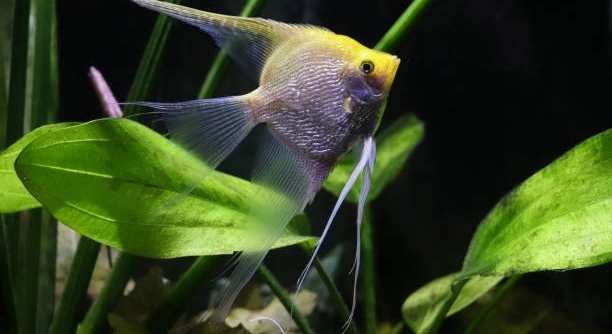
Angelfish are popular aquarium fish, known for their elegant fins and vibrant colors. However, they can sometimes exhibit aggressive behavior, especially when they nip at other fish in the tank. This can be a problem.
To prevent your angelfish from nipping other fish, it is important to address environmental factors, such as tank size, water conditions, and tank mates. Providing hiding spaces and ensuring proper feeding can also help reduce aggressive behavior.
By making simple adjustments, you can create a peaceful environment for your fish. The following tips will guide you in managing your angelfish’s behavior.
Provide Enough Space for Your Angelfish
When it comes to angelfish, tank size plays a crucial role in preventing aggression. Angelfish require a tank that’s large enough to allow them to claim territory without feeling threatened. A smaller tank can lead to more stress and, in turn, more aggressive behavior toward other fish. Aim for at least a 30-gallon tank for a pair of angelfish. If you keep multiple angelfish, you’ll need an even bigger tank to ensure that they can swim freely and interact with one another in a non-threatening way.
A cramped space can cause stress, which may lead to nipping at other fish. Providing ample room ensures that each fish has its own personal area to retreat to when necessary. The more space they have, the less likely it is that they’ll engage in territorial disputes.
In addition to preventing nipping, a larger tank supports better water quality, which is essential for the health of all your fish. Ample space also allows for the placement of more plants and hiding spots, which can further reduce tension.
Choose Compatible Tank Mates
The type of fish you keep with your angelfish affects how they behave. Angelfish can be aggressive toward smaller, slower fish, as they tend to view them as easy targets. Keep your angelfish with species that are similar in size and temperament. Avoid overly shy or delicate fish, as they may become frequent targets.
Choosing tank mates with similar swimming patterns and needs helps your angelfish focus less on aggressive behavior and more on their surroundings. Keeping peaceful, active fish with your angelfish encourages harmony in the tank.
When selecting tank mates, it’s important to think beyond just size. Look for fish that are also not too timid. Angelfish tend to pick on those that don’t defend themselves. Larger fish, such as tetras or barbs, make good companions because they can hold their own. On the other hand, certain species of shrimp or small fish are better left out of the mix to avoid any problems.
Maintain Proper Water Conditions
Angelfish are sensitive to changes in water quality, which can trigger stress and lead to aggressive behavior. Ensuring stable water conditions is key to a peaceful tank. Regular water changes and consistent temperature levels are essential. Test the water frequently to ensure it remains within the ideal range for pH, hardness, and temperature.
Angelfish prefer slightly acidic to neutral water with a temperature between 76-82°F. Ammonia, nitrites, and nitrates should be kept at zero, as high levels can cause stress and make your angelfish more aggressive. Ensure your filter is properly sized for the tank to maintain good water circulation and remove waste effectively.
Providing a stable environment will help your angelfish feel secure, reducing the chances of nipping. Stressful conditions, like poor water quality, often lead to territorial behavior and aggression. Keep an eye on your filtration system to make sure the water remains clean and healthy for all your fish.
Feed Your Angelfish Properly
A well-fed angelfish is less likely to be aggressive toward other fish. Over time, underfeeding can cause hunger-induced frustration, leading to more nipping. Make sure to feed your angelfish a balanced diet that includes flakes, pellets, and occasional live or frozen food to meet their nutritional needs.
It’s important to avoid overfeeding, as it can result in poor water quality. Feed small amounts two to three times per day, and only provide what your fish can consume in a few minutes. Uneaten food can decay and pollute the water, which increases stress for all the fish in the tank.
Additionally, a proper diet supports your angelfish’s health, making them less prone to stress. Healthy fish are less likely to engage in aggressive behaviors. By feeding them properly, you ensure that their energy goes toward healthy activities instead of territorial disputes or nipping.
Add Hiding Spots and Decorations
Angelfish, like most fish, appreciate having places to hide when they feel threatened or stressed. Adding plants, rocks, and caves can provide them with the space to retreat. This helps reduce aggression between angelfish and other fish by giving everyone their own private area.
Incorporating plants and decorations can create a more natural environment, which calms the fish and makes them feel secure. Use live plants or plastic ones, as long as they’re safe for the tank. The more hiding spaces available, the less likely fish will engage in territorial disputes.
Angelfish also enjoy swimming through plants and structures, mimicking their natural habitat. This makes them feel more comfortable and can help reduce the desire to nip at others.
Monitor Tank Behavior
Keep a close eye on your angelfish’s behavior, especially after introducing new fish or changing the environment. If you notice consistent aggression, it may be necessary to make adjustments. Some nipping is normal, but ongoing aggression should be addressed.
By monitoring closely, you can identify potential stressors or triggers for the aggressive behavior. If the problem persists, consider moving the aggressor or rearranging the tank to break up territories. Taking action early can prevent ongoing issues and maintain peace among your fish.
Separate Aggressive Angelfish
If one angelfish is causing too much trouble, consider separating it temporarily. This can help reduce stress for the other fish and allow you to observe the aggressive fish’s behavior more clearly. After a short break, reintroduce the angelfish into the tank.
Separating the aggressive fish helps restore balance in the tank. Once the aggressive angelfish has calmed down, it may be easier to integrate it back into the community without causing harm to others.
FAQ
Why are my angelfish nipping other fish?
Angelfish are territorial by nature and may nip at other fish to protect their space, especially when they feel stressed or overcrowded. Factors such as inadequate tank size, incompatible tank mates, or poor water quality can trigger such behavior. Ensuring a large enough tank, choosing suitable companions, and maintaining optimal water conditions can reduce aggression.
Can I stop angelfish from nipping altogether?
While it may be difficult to completely eliminate nipping behavior, there are ways to reduce it. Providing a spacious tank, adding plenty of hiding spots, and keeping peaceful tank mates can all help. Feeding your angelfish properly and maintaining clean, stable water conditions will also make them feel more secure, reducing the likelihood of aggression.
What type of fish can I keep with angelfish?
Angelfish do best with other peaceful, medium-sized fish. Good tank mates include other non-aggressive cichlids, tetras, or gouramis. Avoid small or slow-moving fish, as angelfish may nip at them. Additionally, fish with similar water and temperature requirements are ideal, ensuring the environment is suitable for all species.
How can I prevent angelfish from fighting with each other?
To avoid angelfish fighting, keep them in pairs or small groups. Ensure the tank is large enough to give each fish enough space. Territorial disputes are common when multiple males are present, so it’s best to keep a balanced ratio of males and females. Offering plenty of hiding spots and plants can also help diffuse tension.
Should I change the tank setup if my angelfish are nipping?
Yes, rearranging the tank can help break up established territories, reducing aggression. Fish tend to claim specific areas, and changing the layout can disrupt this, making them less likely to fight over their space. This strategy is especially helpful when introducing new fish or if aggression persists.
Are angelfish more aggressive when breeding?
Yes, angelfish can become more territorial and aggressive when they are breeding. During this time, they may become protective of their eggs or fry. It’s essential to provide extra hiding spaces for other fish and monitor the tank closely to prevent the breeding pair from attacking other tank mates.
Can overcrowding lead to angelfish nipping?
Yes, overcrowding can cause stress, making angelfish more likely to nip at other fish. When there isn’t enough space to establish territories, fish may become more aggressive. Make sure your tank is large enough to accommodate all the fish comfortably, and consider reducing the number of fish if overcrowding is an issue.
What are the signs of stress in angelfish?
Signs of stress in angelfish include erratic swimming, hiding more than usual, loss of appetite, or fading color. If your angelfish are showing these symptoms, it could be due to poor water quality, tank mates, or environmental stress. Addressing the cause of stress can prevent further aggressive behavior and help your angelfish thrive.
Can I use medication to stop angelfish from nipping?
Medication is typically not effective in preventing nipping behavior. It’s better to focus on improving the tank environment, water quality, and ensuring appropriate tank mates. If aggressive behavior continues, consider separating the fish or using tank modifications like adding more hiding spots to ease tensions.
How often should I change the water to prevent aggression?
Regular water changes are essential for maintaining healthy water conditions and reducing stress. Ideally, perform partial water changes (about 25-30%) once a week. This helps remove toxins and waste buildup, which can contribute to poor water quality and increase aggression in your angelfish.
Do angelfish need a lot of attention?
Angelfish don’t require constant attention, but they do benefit from regular monitoring and care. Ensuring the water quality remains optimal, feeding them appropriately, and keeping the tank clean will keep them happy and healthy. Regular observation can also help you catch any early signs of aggression or stress.
How can I keep my angelfish calm?
Maintaining a peaceful environment is key to keeping angelfish calm. This includes having a proper tank size, keeping compatible fish, offering plenty of hiding spots, and ensuring good water quality. Avoid sudden changes to their environment, as consistency helps them feel secure.
Can I stop an angelfish from bullying smaller fish?
If an angelfish is bullying smaller fish, separating them temporarily or rearranging the tank setup might help. Ensure that all fish have enough hiding spots and space to avoid confrontations. You may also need to consider moving the more aggressive angelfish to a different tank or choosing tank mates of similar size and temperament.
Is it normal for angelfish to nip during feeding time?
Yes, angelfish may nip at other fish during feeding time, especially if they are competing for food. To reduce this, ensure that there is enough food for all fish and that it is evenly distributed. You can also feed the fish in different areas of the tank to reduce competition.
Can I breed angelfish in a community tank?
Breeding angelfish in a community tank can be challenging, as they may become more aggressive toward other fish while protecting their eggs and fry. If you plan to breed them, consider setting up a separate breeding tank or providing enough hiding spots for other fish to retreat to during the breeding process.
Do angelfish need to be in schools to reduce aggression?
Angelfish do not need to be in schools, but they do benefit from being kept in small groups or pairs. This reduces the likelihood of one angelfish becoming overly dominant and aggressive. A balanced number of males and females in the tank can help spread out territorial behavior and prevent constant fighting.
Final Thoughts
Angelfish can make beautiful additions to your aquarium, but their behavior, especially when it comes to nipping at other fish, can be a challenge. By paying attention to their environment, you can significantly reduce the chances of aggression. Ensuring they have enough space to swim freely is one of the most important factors. A larger tank will allow them to establish territories without feeling cramped or threatened. When their space needs are met, angelfish are less likely to become territorial and aggressive toward other fish.
It’s also crucial to select the right tank mates for your angelfish. Fish that are too small or too timid might become targets for nipping. Pairing angelfish with species that have similar temperaments can reduce conflict. Additionally, keeping an eye on the overall tank conditions—such as water quality, temperature, and pH—will help prevent stress, which is often a key cause of aggression. Stressful conditions can make angelfish more irritable, leading to unnecessary nipping.
Lastly, providing your angelfish with plenty of hiding spots and plants is a simple yet effective way to promote peace in the tank. These hiding spaces give the fish a place to retreat when they feel threatened, allowing them to rest without engaging in territorial disputes. Regularly monitoring your tank for any signs of aggression or stress and addressing issues as soon as they arise will help ensure that your angelfish live a calm and healthy life. With proper care, your angelfish can coexist peacefully with other fish, creating a beautiful and harmonious aquarium.

Hello,
If you enjoy the content that we create, please consider saying a "Thank You!" by leaving a tip.
Every little bit helps us continue crafting quality advice that supports the health, happiness, and well-being of pets around the world, for pets of all shapes, sizes, and species.
We really appreciate the kindness and support that you show us!