
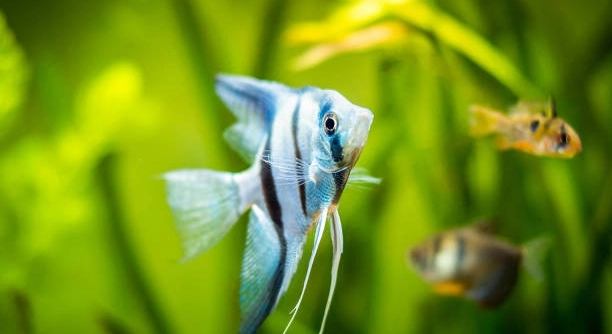
Angelfish are known for their nurturing behavior, especially when it comes to guarding their eggs. However, sometimes they may not defend them as expected. If you’ve noticed this behavior, it can be concerning and puzzling.
The lack of defense from your angelfish may stem from several factors, including stress, poor water conditions, or even genetic tendencies. Additionally, the presence of other fish or insufficient parental instincts could contribute to this behavior.
Understanding why your angelfish may not be protecting its eggs can be complex. There are various explanations that could be affecting their behavior. Let’s explore the possible reasons in more detail.
Stress or Fear
Stress can greatly impact your angelfish’s behavior, especially when it comes to protecting their eggs. Angelfish are sensitive creatures, and they may become easily stressed by changes in their environment. Whether it’s a sudden temperature fluctuation, bright lights, or loud noises, these disruptions can cause your angelfish to feel threatened. If your fish is constantly under stress, they may not have the mental or physical energy to defend their eggs properly. It’s important to make sure that their tank conditions are stable to reduce stress.
Some angelfish are naturally more timid and may retreat from their eggs if they feel the environment is too chaotic. It’s essential to provide a calm and quiet space, allowing your fish to feel secure enough to protect their offspring.
Providing your angelfish with a stress-free environment can greatly improve their ability to care for their eggs. By keeping the tank calm, you can reduce unnecessary anxiety, helping them focus on protecting their eggs. You may also want to observe the presence of other animals or sounds that could be disturbing your fish.
Water Quality
The quality of the water in your angelfish’s tank is one of the most important factors in their behavior. Poor water conditions can lead to weakened immune systems, causing stress or even illness. If the water is too acidic or has high levels of toxins, your angelfish may be too unwell or distracted to defend their eggs. It’s important to regularly monitor the pH, ammonia, and nitrate levels in the tank to make sure the water is safe for your fish.
If the water quality is poor, your fish may try to avoid the eggs or not protect them at all. A clean and balanced environment helps ensure your angelfish are healthy and can take care of their responsibilities as parents. Proper filtration and regular water changes can help maintain optimal conditions.
Water quality plays a significant role in the overall health and behavior of your angelfish. When the water is clean and well-maintained, your fish are more likely to show nurturing instincts. It’s worth investing time in maintaining the water quality to ensure the well-being of both the adult fish and their eggs.
Inexperienced Parents
Some angelfish simply lack the instinct or experience to properly protect their eggs. If they are young or this is their first time breeding, they might not know how to behave. Parental instincts can vary greatly between individual fish, and some may not feel the need to guard their eggs immediately.
Even though angelfish are known for being attentive parents, first-time breeders may not react the way you expect. If they’re new to the process, they may not have developed a strong bond with their eggs yet, which makes them hesitant to defend them. With time and experience, they could become more protective in future breeding attempts.
Inexperienced parents are often distracted or unsure of how to act when guarding their eggs. They may abandon their eggs more easily or not show much interest in defending them against perceived threats. The good news is that with each breeding cycle, your angelfish may improve in their parenting skills and become more protective of their eggs.
Overcrowding
Overcrowding in the tank is another reason why your angelfish might not be guarding their eggs. When there are too many fish in a small space, it can create tension and stress, which distracts your angelfish from their natural duties. In crowded tanks, your fish may feel overwhelmed and struggle to focus on protecting their eggs.
Too many fish can cause territorial disputes or make the angelfish feel unsafe, leading them to abandon the eggs. With limited space, the angelfish may also be unable to defend their eggs properly, making them more vulnerable to other fish or conditions. Overcrowding can also lead to poor water quality, further affecting their behavior.
To prevent overcrowding, consider reducing the number of fish or separating aggressive species from the breeding pair. Providing enough space for your angelfish to move freely helps them focus on their parental responsibilities. A more spacious tank reduces stress, improving the chances of a successful egg-guarding effort.
Poor Nutrition
Angelfish that are not receiving a balanced diet may lack the strength and energy needed to protect their eggs. A lack of essential nutrients can weaken their immune systems and overall health, making them less capable of defending their offspring. Without proper nutrition, their instinct to protect may also diminish.
To ensure your angelfish are strong and healthy, provide a varied diet with high-quality food. Offering a mix of flakes, pellets, and live or frozen food can help keep your fish in peak condition. This will also encourage stronger parental instincts, improving their ability to care for eggs.
Genetic Factors
Some angelfish may simply have weaker parental instincts due to their genetics. While most angelfish protect their eggs, there are always exceptions. Genetic factors can influence how a fish responds to breeding and egg care, resulting in less protection or interest in guarding eggs.
Genetic factors can also play a role in whether your angelfish pair is compatible. If they aren’t well-matched genetically, they might not bond well enough to form a strong protective relationship over their eggs. Over time, selecting the best breeding pairs can help strengthen these protective behaviors.
FAQ
Why aren’t my angelfish defending their eggs?
There are many reasons why your angelfish might not be defending their eggs. Common factors include stress, poor water conditions, inexperienced parents, overcrowding, and poor nutrition. If your angelfish are new parents or the tank is too chaotic, they may not feel safe enough to protect their eggs. Additionally, water quality plays a huge role in their ability to care for their offspring. Ensure the water is clean, stable, and free from harmful chemicals. If the fish are stressed or weak due to poor diet or overcrowding, they might not have the energy to focus on protecting their eggs.
Is it normal for angelfish to abandon their eggs?
Yes, it’s normal for angelfish to abandon their eggs in certain situations. If the environment isn’t ideal, if there are too many disturbances, or if the fish are inexperienced, they may leave their eggs. This behavior is often a survival instinct, as the fish may sense a threat or feel unable to care for the eggs properly. In some cases, angelfish will eat their own eggs if they feel stressed or if they think the eggs are not viable. This is part of their natural behavior, especially if they feel there is no hope of raising the eggs successfully.
Can water temperature affect egg protection?
Yes, water temperature can impact how your angelfish behave toward their eggs. If the water is too cold or too warm, it can stress the fish, leading to a lack of interest in protecting the eggs. Angelfish thrive in water temperatures between 76°F and 82°F (24°C to 28°C). If the water is outside of this range, the angelfish may not feel comfortable or healthy enough to protect their eggs. Consistent water temperatures and a stable environment are key to maintaining proper egg care and parental behavior.
How can I reduce stress for my angelfish?
To reduce stress in your angelfish, start by ensuring their environment is calm and stable. Avoid sudden changes in water conditions, such as temperature shifts, poor water quality, or high nitrate levels. Keep the tank away from noisy areas and minimize disturbances by reducing the frequency of tank maintenance during breeding times. Make sure the tank has enough hiding spots for your fish to feel secure, and avoid overcrowding. The more relaxed your angelfish feel, the more likely they will take an active role in caring for their eggs.
Do angelfish need a mate to protect their eggs?
Yes, angelfish typically need a mate to protect their eggs effectively. They are social creatures, and both the male and female will usually share the responsibility of guarding the eggs. If one fish is alone, it may not defend the eggs at all or may not do so properly. A bonded pair will often take turns watching over the eggs, ensuring they are protected from threats. If you only have one angelfish or an unbonded pair, the chances of successful egg protection decrease.
How long do angelfish guard their eggs?
Angelfish will guard their eggs for as long as it takes for them to hatch, which typically takes around 2 to 4 days depending on water temperature. During this time, they will keep watch over the eggs and prevent other fish from getting too close. After the eggs hatch, the angelfish may continue to protect the newly hatched fry for a while, ensuring they stay safe as they grow. Once the fry are strong enough to swim on their own, the parents may relax their guarding behavior.
What can I do to improve egg protection?
To improve egg protection, ensure your angelfish are in optimal health by providing a proper diet and maintaining stable water conditions. Use a high-quality, varied diet that includes both dry and live food to keep your fish strong. Avoid overcrowding the tank and keep the environment peaceful. If possible, provide a separate breeding tank for the angelfish to reduce disturbances from other fish. Keeping the water clean and free of harmful chemicals will also support the fish’s natural protective instincts.
Can angelfish eat their own eggs?
Yes, angelfish may eat their own eggs under certain circumstances. If they feel stressed, if the eggs are not viable, or if they are inexperienced parents, they may consume the eggs. Sometimes, they eat the eggs as a way to protect them from potential threats, especially if they sense that the eggs may not survive. Additionally, in situations of overcrowding or poor water quality, the parents may become too weak to care for the eggs, resulting in them eating the eggs out of necessity.
How do I know if my angelfish are ready to breed?
Angelfish typically become ready to breed when they are about 6 to 12 months old. You will notice behavioral signs when they are ready to breed, such as a pair of angelfish becoming more attached to each other. The female will look fuller as she carries eggs, while the male may exhibit courtship behaviors, like swimming around the female and showing off his colors. If you have a healthy pair and the right conditions, the angelfish will find a suitable spot to lay their eggs, often on a flat surface like a rock or leaf.
Do angelfish need special care during breeding?
Angelfish don’t require much extra care during breeding, but providing a stable and stress-free environment is crucial. They should be in a spacious tank with clean, warm water, as breeding can be a stressful time for them. Offering a varied diet will ensure they are healthy and strong enough to care for their eggs. Additionally, separating the breeding pair from other tank mates may help reduce disturbances and allow the fish to focus on their eggs. Proper tank maintenance and water quality are essential to successful breeding and egg protection.
Can I help protect the eggs if my angelfish aren’t defending them?
Yes, you can help protect the eggs if the angelfish aren’t guarding them. If the parents are not showing interest, you can move the eggs to a separate tank or hatchery. Be careful when transferring the eggs to avoid damaging them. Make sure the water conditions in the new tank or hatchery are similar to those of the original tank, especially the temperature and pH levels. Keep the area clean and quiet, as additional stress could impact the eggs’ survival rate.
Final Thoughts
Angelfish are known to be attentive parents, but sometimes they might not defend their eggs as expected. It can be concerning when you notice this behavior, but understanding the reasons behind it can help you address the situation. Stress, poor water conditions, overcrowding, and even inexperienced parents can all influence how your angelfish behave toward their eggs. By keeping the tank environment calm and stable, you can reduce the stress that might be affecting their instincts. Proper nutrition is also key to ensuring that the fish are healthy and strong enough to care for their offspring.
Sometimes, the lack of egg protection may be due to factors beyond your control, like genetic tendencies. Not all angelfish are equally protective, and some may just not have the instinct to guard their eggs, especially if they are new parents. It’s important to be patient, as even inexperienced parents may improve their egg-protecting behavior with time. If you observe this issue with a new pair, consider giving them more opportunities to breed in a calm, stress-free environment. With repeated breeding attempts, they may learn how to care for their eggs more effectively.
If your angelfish aren’t protecting their eggs, you may need to step in and help. Moving the eggs to a separate tank or hatchery can increase the chances of survival, especially if the parents are not showing interest. However, it’s always best to start by addressing the conditions in the tank, as improving water quality and reducing stress can make a big difference. Ultimately, creating the right environment for your angelfish to thrive will help ensure they can successfully care for their eggs and raise healthy fry.

Hello,
If you enjoy the content that we create, please consider saying a "Thank You!" by leaving a tip.
Every little bit helps us continue crafting quality advice that supports the health, happiness, and well-being of pets around the world, for pets of all shapes, sizes, and species.
We really appreciate the kindness and support that you show us!