
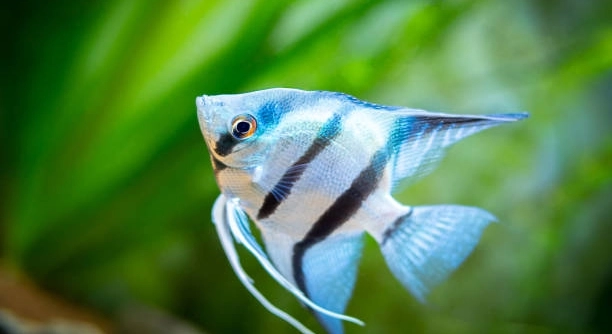
Have you ever considered moving your angelfish from the aquarium to a peaceful outdoor pond in your backyard? It sounds relaxing, but there are important details to think about before making the change.
Angelfish can live in outdoor ponds, but only under very specific conditions that mimic their natural tropical environment, including stable warm temperatures, clean water, and proper protection from predators and weather changes.
Understanding these key factors can help you decide if keeping angelfish outdoors is a safe and practical choice for their long-term health.
Temperature Requirements Matter
Angelfish are tropical fish, which means they need warm and stable temperatures to stay healthy. Outdoor ponds can be unpredictable, especially if you live in a place with cooler nights or seasonal changes. For angelfish to thrive, the water should stay between 75°F and 82°F at all times. A sudden drop in temperature can stress them out or make them sick. If you live in a warmer climate where the temperature doesn’t swing too much, you might be able to keep angelfish in a pond, especially during the summer months. Still, you’ll need to monitor the water closely and possibly install a pond heater if things cool off. Shade and proper depth can help regulate the pond’s temperature, too. Shallow ponds heat up and cool down quickly, so a deeper pond is a better option. Always make sure you’re checking the forecast and have a plan for cold weather.
For anyone living in an area with harsh winters or strong weather swings, it’s best to keep angelfish indoors year-round.
If your region stays warm most of the year and your pond holds steady temperatures, you may have some luck with angelfish outside. Regular checks will still be necessary to make sure things stay in range.
Pond Size and Depth
Angelfish need plenty of space to move around, but a small pond may not provide the safety or water stability they need.
A good pond for angelfish should be at least 2 feet deep and hold a decent volume of water, ideally more than 100 gallons. Depth is especially important because it helps the pond maintain a steady temperature throughout the day and night. The deeper the water, the less likely it is to swing too much from sun or shade. Shallow ponds warm up fast, but they also cool down just as quickly, which isn’t safe for angelfish. A larger pond also means more swimming room, which helps angelfish stay active and comfortable. Their long fins make them slower swimmers, so having open water without too many obstacles helps them avoid stress. If your pond is small and crowded with other fish or plants, it could be hard for angelfish to stay healthy. A wider space also helps reduce the buildup of waste, making water quality easier to manage.
Water Quality and Filtration
Angelfish need clean, well-filtered water to stay healthy. Outdoor ponds can collect debris, bugs, and algae that make the water dirty and unsafe without the right equipment in place.
A strong filtration system helps keep harmful toxins like ammonia and nitrites out of the water. It also maintains proper oxygen levels, which are just as important for angelfish. You’ll want a filter that’s suited for the size of your pond and is easy to clean regularly. Even though ponds may look clear, bacteria and waste can build up fast. A biological filter that encourages helpful bacteria growth is ideal. Those bacteria help break down waste naturally, which helps maintain a balanced environment. Regular water testing is a good habit to make sure everything is staying within safe levels. If your pond has plants or other fish, that can also affect water quality and should be considered.
Frequent maintenance is part of keeping pond water clean. You may need to remove debris like fallen leaves or uneaten food, especially after storms or heavy winds. Algae growth can also become a problem if the pond gets too much direct sun. Using shade and aquatic plants can help, but don’t rely on them alone. Filtration and water changes are still essential.
Predators and Outdoor Risks
Outdoor ponds expose angelfish to threats that aren’t a concern indoors. Birds, raccoons, and even cats may see them as food, especially in shallow or uncovered ponds.
Adding a pond net or using floating plants like lilies can help shield your angelfish from above. Deeper ponds also give them space to hide when they sense danger. Some people build small rock caves or tunnels for extra hiding spots. You’ll also want to avoid placing the pond too close to trees or fences where animals can perch or climb. If predators become a regular issue, motion-activated sprinklers or fencing might help keep them away. Even with these precautions, there’s still always a small risk. Angelfish tend to stay near the middle or bottom, which helps a little, but they are still visible and slow-moving. Protecting them should be part of your setup from the very beginning.
Compatibility With Other Fish
Angelfish are peaceful but can become territorial, especially in tight spaces. Not all pond fish will get along with them, and some may nip at their fins.
Avoid housing them with aggressive species or fast swimmers like koi or goldfish. Stick to calm, similar-sized fish that won’t compete for food.
Feeding and Nutrition
Feeding angelfish in an outdoor pond can be more challenging than in a tank. Pond environments can hide leftover food, which affects water quality. You’ll need to feed them floating pellets or flakes and watch to make sure they’re actually eating. It’s also important not to overfeed, especially during cooler days when fish eat less. If the pond has natural bugs or algae, it can help supplement their diet, but shouldn’t replace regular feeding. Stick to a schedule and feed them when you can observe them directly. This helps you keep track of their health and behavior while preventing food waste from building up unnoticed.
Breeding Behavior
If the conditions are right, angelfish may pair off and breed in a pond. They often lay eggs on flat surfaces or plant leaves.
FAQ
Can angelfish survive winter in outdoor ponds?
Angelfish are tropical fish and cannot tolerate cold temperatures. If you live in a region with cold winters, it’s highly recommended to bring them indoors during this season. Even if the pond doesn’t freeze over completely, the cold can cause them to become stressed or sick. If you want to keep them in an outdoor pond year-round, you’ll need to use a pond heater to maintain the water temperature above 75°F. However, even with a heater, they may not thrive as well as they would in a warm, stable indoor aquarium.
What are the ideal water parameters for angelfish in ponds?
Angelfish need stable, slightly acidic to neutral water (pH 6.5 to 7.5) to thrive. They also require soft to medium water hardness. If your pond water is too hard or too alkaline, it can negatively affect their health. You should test your water regularly for ammonia, nitrites, nitrates, and pH levels to make sure it remains safe. Keeping the pond water clean with proper filtration and regular water changes is key to maintaining a healthy environment.
How deep should an outdoor pond be for angelfish?
For angelfish, a pond should be at least 2 feet deep. A deeper pond helps maintain a more consistent temperature and offers more space for the fish to swim. Shallow ponds can heat up quickly in the sun and cool down just as fast, which isn’t ideal for tropical fish. A deeper pond also provides more protection from predators and gives your angelfish enough room to find food and hide when necessary.
Can angelfish live with other types of pond fish?
Angelfish can live with other peaceful fish, but it’s important to choose compatible species. Avoid aggressive fish or those that are too fast and can outcompete them for food. Species like goldfish or koi are generally not ideal due to their size and potential aggressiveness. It’s best to pair angelfish with other slow-moving, non-territorial species, such as tetras or small catfish. Always observe how your fish interact before settling on pondmates.
Do I need to cover my pond to protect the angelfish?
It’s a good idea to cover your pond or provide some form of shade to protect your angelfish. Outdoor predators like birds, raccoons, or even neighborhood cats can target your fish. Adding a pond net or floating plants like lilies can help shield the fish from above. If the pond is shallow or located near trees, you might need extra protection. Ensure your pond is deep enough so the angelfish can hide if they feel threatened.
Can angelfish breed in an outdoor pond?
Yes, angelfish can breed in an outdoor pond if the conditions are suitable. They will lay eggs on flat surfaces like rocks, leaves, or decorations. The eggs need to be kept clean and free from predators to hatch successfully. If you want to breed angelfish, you’ll need to monitor the pond carefully and protect the eggs from other fish. The parents may also guard the eggs, so it’s important to provide a safe space for them to do so.
What do I do if my angelfish are stressed in the pond?
Stress can cause a variety of health problems in angelfish. If you notice signs of stress, like abnormal swimming or loss of appetite, check the water quality immediately. Make sure the water temperature is within the ideal range and that the pH and hardness are stable. Also, consider whether there are any threats in the pond, such as aggressive tank mates or predators. If the pond’s environment is too harsh, you may need to relocate the fish to a safer, more controlled space.
How often should I feed angelfish in an outdoor pond?
In an outdoor pond, feeding angelfish should be done on a regular schedule. You should only feed them what they can consume in a few minutes to avoid food waste and water contamination. It’s best to feed them once or twice a day during warmer months, but in cooler weather, their appetite may decrease. Overfeeding can lead to poor water quality and health issues. If the pond has natural food sources, like insects or algae, it can supplement their diet, but it shouldn’t replace the main feeding.
Do angelfish need a filter in an outdoor pond?
Yes, a filter is essential in an outdoor pond to maintain clean water for your angelfish. Filtration helps remove waste, uneaten food, and toxins like ammonia and nitrites, which can build up quickly in outdoor environments. Without proper filtration, the water can become unhealthy, leading to stress or illness in your fish. A biological filter that supports beneficial bacteria is especially important, as it breaks down harmful substances and helps balance the pond ecosystem. Regular cleaning and maintenance of the filter are crucial to keeping the pond safe.
What should I do if my angelfish aren’t eating in the pond?
If your angelfish aren’t eating, it could be a sign of stress, poor water quality, or disease. First, check the water parameters to make sure they’re within safe levels. If the water quality is good, check for any signs of illness or parasites. Angelfish are also sensitive to changes in temperature, so ensure the water is within the proper range. If the fish are still not eating, you may need to bring them indoors for treatment or better conditions.
Final Thoughts
When considering whether angelfish can live in an outdoor pond, it’s essential to remember that these fish are tropical creatures that require specific conditions to thrive. Temperature is a major factor; they need stable, warm water to stay healthy. If you live in a place with significant temperature changes or cold winters, it’s better to keep them indoors. A pond heater might help during cooler months, but it’s not a guarantee that the fish will be happy outside year-round. Monitoring temperature, water quality, and filtration is a key part of keeping angelfish in an outdoor pond.
Another important factor is the pond’s size and depth. Angelfish need space to swim comfortably, and a larger, deeper pond is always a better option. Shallow ponds are more difficult to regulate in terms of temperature, and they’re also more vulnerable to predators. Having a pond that is at least 2 feet deep offers protection from both temperature fluctuations and potential threats from birds or other animals. Keeping your pond clean with a good filtration system is equally important. Outdoor ponds can collect debris, and a proper filter helps remove harmful waste from the water, keeping it safe for your fish.
Lastly, the fish’s safety is something to consider when keeping angelfish in an outdoor pond. Outdoor environments expose them to potential predators and other risks that aren’t an issue inside a tank. You’ll need to protect them from animals like birds, raccoons, and even other aggressive fish. Using pond nets or providing plenty of hiding spaces with rocks or plants can help minimize these risks. Compatibility with other fish in the pond is also something to keep in mind, as not all species will get along well with angelfish. If you’re prepared to manage these factors, keeping angelfish in an outdoor pond can be a rewarding experience.

Hello,
If you enjoy the content that we create, please consider saying a "Thank You!" by leaving a tip.
Every little bit helps us continue crafting quality advice that supports the health, happiness, and well-being of pets around the world, for pets of all shapes, sizes, and species.
We really appreciate the kindness and support that you show us!