
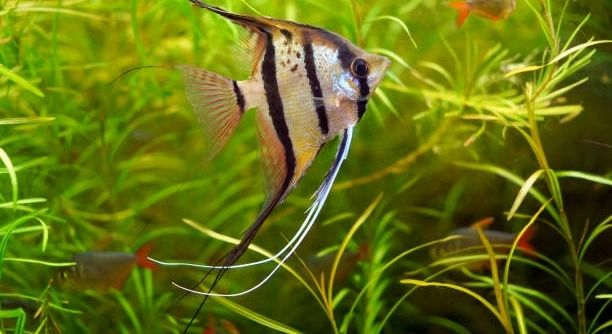
Are your angelfish not looking as vibrant or active as they used to? Water quality might be playing a bigger role than you think.
The best water parameters for angelfish include a temperature of 76–82°F, a pH level of 6.8–7.8, soft to moderately hard water, low ammonia and nitrite levels, and stable water conditions.
Learning how to maintain these parameters can make a big difference in your angelfish’s health and behavior.
Ideal Temperature Range for Angelfish
Keeping the right water temperature helps angelfish stay active, stress-free, and healthy. These fish do best in temperatures between 76°F and 82°F. A stable range within those numbers is key because sudden changes can weaken their immune system. Using a reliable aquarium heater and thermometer will help you keep the temperature steady. Place the thermometer in a visible spot so you can quickly check it every day. Avoid putting the tank near windows or heaters that can cause the temperature to fluctuate. Angelfish are tropical fish, so cooler water can slow them down and lead to sickness over time. If the tank is too warm, they may breathe rapidly or become restless. Maintaining the proper temperature also supports their digestion, growth, and breeding. It’s a small detail that makes a big impact on their well-being.
Try to check the temperature every morning. This habit helps you fix problems early and avoid stress for the fish.
If you’re dealing with temperature issues, check the heater settings and replace any equipment that seems faulty. In larger tanks, consider having a second heater to balance heat distribution. Don’t forget that during colder months, room temperature may drop, affecting the tank. Covering the aquarium or adding insulation on colder nights can help reduce heat loss. During warmer seasons, avoid direct sunlight and monitor the tank closely to prevent overheating. If the room gets too hot, small fans or a tank chiller can bring the temperature back down. These changes don’t have to be expensive. Just paying attention and using the right tools will go a long way in keeping your angelfish comfortable.
Proper pH Levels for Healthy Angelfish
Angelfish prefer a pH level between 6.8 and 7.8. Water that is too acidic or too alkaline can cause stress or illness.
Use a digital pH meter or test strips once a week to keep an eye on the levels. If your tap water doesn’t meet the right range, you can use additives like pH up or pH down, but make adjustments slowly. Abrupt changes can harm your angelfish. Natural methods like adding driftwood (to lower pH) or crushed coral (to raise pH) work gradually and are safer in the long term. Always test after adding anything to the tank. Clean water also plays a role in pH stability, so stay on top of water changes. Use a water conditioner if your local water has chlorine or other chemicals. Some fishkeepers even let water sit for 24 hours before adding it to the tank to stabilize it. Keeping the pH consistent will help your angelfish thrive.
Water Hardness Requirements
Angelfish prefer soft to moderately hard water. The ideal general hardness (GH) is between 3–8 dGH, and carbonate hardness (KH) should be 3–5 dKH. Stable hardness levels help maintain consistent pH and support overall fish health.
Test your water using a liquid hardness test kit. If the levels are too high, you can dilute the hardness by mixing in distilled or reverse osmosis (RO) water. If levels are too low, try adding mineral supplements or crushed coral in small amounts. When making changes, do it slowly to avoid shocking the fish. Soft water is especially important if you’re planning to breed angelfish, as they lay eggs better in softer conditions. Keep track of GH and KH during your regular maintenance routine. Stable hardness also supports proper gill function and helps your angelfish absorb nutrients efficiently.
If your tap water is already within range, maintenance will be easier. However, if it’s outside the ideal zone, consistent monitoring becomes essential. Using RO water gives you more control, but you’ll need to remineralize it to avoid stripping essential minerals. When changing water, always test the hardness of both new and tank water so levels remain steady. Remember that sudden shifts in water chemistry are stressful and can lead to disease. Stick to slow, measured changes.
Safe Ammonia, Nitrite, and Nitrate Levels
Ammonia and nitrite should always be at 0 ppm. Even small amounts can burn gills, damage organs, and cause stress. Nitrate should be kept below 20 ppm for long-term health and comfort.
To maintain safe levels, make partial water changes weekly (around 25–30%). Avoid overfeeding and remove uneaten food after a few minutes. Use a filter that supports biological filtration—this allows beneficial bacteria to break down waste into less harmful forms. Adding live plants can also help absorb excess nitrates. Test your water regularly using liquid test kits, not strips, as they are more accurate. If ammonia or nitrite spikes, perform an immediate water change and reduce feeding. Adding a bacterial supplement can also help re-establish your tank’s balance. A cycled tank is crucial before introducing angelfish. Establishing this balance takes patience but prevents a lot of stress and potential issues.
Tank Size and Stocking
Angelfish need space to swim and grow. A minimum tank size of 20 gallons is required for a single adult, but 30 gallons or more is better. Overcrowding leads to stress and aggression.
Avoid pairing angelfish with fin-nipping or overly active fish. Peaceful tankmates and proper space help reduce tension.
Filtration and Water Flow
Choose a filter that can handle at least 4–5 times the tank’s volume per hour. Angelfish prefer gentle water flow, so avoid strong currents. Sponge filters or adjustable flow filters work well. Keep the water surface slightly moving to improve oxygen levels. Clean the filter regularly without removing all beneficial bacteria. Use tank water when rinsing filter media to avoid killing helpful microbes. Good filtration supports clear water, removes waste, and keeps ammonia and nitrites at zero. A steady, clean environment helps your angelfish live longer and stay more active throughout the day.
Lighting Conditions
Angelfish do best with moderate lighting. Too much light can stress them, while too little may affect their activity. Stick to 8–10 hours of light each day.
FAQ
How often should I test my angelfish tank water?
Test the water at least once a week. Focus on ammonia, nitrite, nitrate, pH, and temperature. If you’ve just set up your tank or made changes, test more often until things stabilize. Regular testing helps catch small problems before they turn into bigger issues. Use liquid test kits for more accurate results than test strips.
What is the ideal water temperature for breeding angelfish?
For breeding, aim for 78°F to 80°F. This range encourages spawning and helps eggs develop properly. Keep the temperature stable—sudden shifts can cause the pair to stop breeding or the eggs to fail. Warmer water also speeds up egg development, which usually takes two to three days.
Can angelfish survive in hard water?
They can adapt to slightly hard water, but soft to moderately hard water is best. If the water is too hard, it can affect their health and breeding success. If needed, mix RO water with tap water or use driftwood and peat moss to naturally soften the water over time.
What should I do if ammonia levels spike in the tank?
Do a partial water change immediately, about 30–50% of the tank volume. Stop feeding for a day or two and check the filter to make sure it’s working properly. Adding a bacterial supplement can help restore the balance. Regular testing and maintenance can prevent future spikes.
How can I tell if the pH is bothering my angelfish?
Look for signs like clamped fins, gasping at the surface, or hiding more than usual. A sudden drop or spike in pH can stress them out. Always make slow changes to pH if adjustments are needed. Keep things as steady as possible.
Is it okay to use tap water for my angelfish tank?
Yes, but make sure to treat it with a water conditioner to remove chlorine and chloramines. Tap water often has minerals and chemicals that can stress fish. After treating it, test the pH and hardness to be sure it matches the tank’s needs.
Do live plants help with water quality?
Yes, live plants help absorb nitrates and improve oxygen levels. They also provide natural shelter and make the tank more stable. Easy plants like Java fern, Anubias, and Amazon sword work well in angelfish tanks. They don’t need intense lighting and grow slowly, helping to balance the water.
What kind of filter is best for angelfish?
Use a filter that has mechanical, chemical, and biological filtration. Hang-on-back filters or canister filters work well for larger tanks. Just make sure the current isn’t too strong—angelfish prefer calm water. Sponge filters are great for breeding tanks since they’re gentle and safe for fry.
How long should the lights be on each day?
Keep lights on for 8 to 10 hours daily. Too much light can stress the fish or lead to algae growth. Use a timer if it helps you stick to a routine. Angelfish don’t need bright lights—moderate lighting works just fine.
Can I keep angelfish in a community tank?
Yes, as long as tankmates are peaceful and not too small or aggressive. Avoid fin-nippers like tiger barbs. Good tankmates include corydoras, platies, and certain tetras like black skirts. Give angelfish enough room and hiding spots to avoid stress or territorial behavior.
Final Thoughts
Caring for angelfish can feel easy once you understand their needs. These fish are sensitive to changes, so keeping the right water parameters is the most important part of their care. When the water is clean, balanced, and stable, angelfish are more likely to stay healthy and active. Poor water quality, on the other hand, often leads to stress, illness, or even loss of life. Taking a few minutes each week to test the water, change a portion of it, and clean the tank can help avoid most problems before they start. It’s not about doing everything perfectly—it’s about being consistent and watching for changes.
Getting the temperature, pH, hardness, and filtration right helps create a strong base for your angelfish. These factors work together to support their growth, behavior, and even breeding. If one thing is off—like high ammonia or unstable pH—it can affect all the others. That’s why a balanced setup is important. You don’t need expensive equipment to keep things in good shape. A good thermometer, water test kit, and a steady maintenance routine can make all the difference. Even if you’re new to fishkeeping, you’ll start to notice signs when something isn’t right. And once you know what to look for, it becomes easier to take care of any issues.
In the end, angelfish are beautiful fish that can live for many years when their environment is well managed. They respond well to a stable setup and simple, regular care. Watching them swim calmly and interact with their surroundings can be a relaxing and rewarding part of your day. Their health depends on the choices you make with their tank, but those choices don’t have to be complicated. Stick to the basics, be patient with the process, and make changes slowly. Whether you’re keeping just a pair or a small group, giving them the right water conditions will help them live longer and look their best.

Hello,
If you enjoy the content that we create, please consider saying a "Thank You!" by leaving a tip.
Every little bit helps us continue crafting quality advice that supports the health, happiness, and well-being of pets around the world, for pets of all shapes, sizes, and species.
We really appreciate the kindness and support that you show us!