
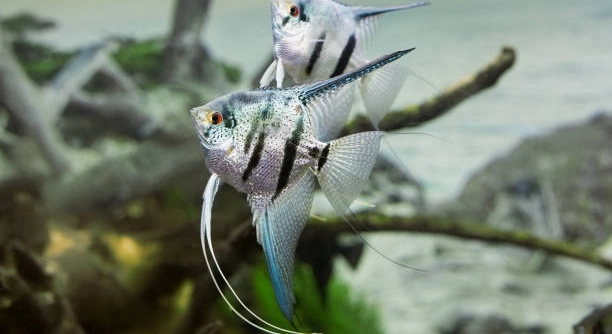
Angelfish are beautiful and graceful creatures that can bring life to any aquarium. However, when your angelfish isn’t swimming, it can be worrying. Understanding the reasons behind their inactivity can help you restore balance to their health and your tank.
Several factors can contribute to an angelfish’s lack of movement. Common causes include poor water conditions, stress, illness, or even injury. Identifying and addressing these issues is crucial for helping your fish recover and thrive in its environment.
By understanding these potential causes, you can take the right steps to improve your angelfish’s well-being. Continue reading to discover the most common reasons why your angelfish may not be swimming and how you can fix it.
Poor Water Quality
Angelfish are sensitive to water conditions, and poor water quality can lead to inactivity or other health problems. If the water has high levels of ammonia, nitrites, or nitrates, your angelfish may become stressed and stop swimming. Dirty water can also cause skin irritation and make it harder for the fish to breathe, leading to lethargy. The temperature should also be monitored carefully, as extremes can be harmful to your fish.
Regular water changes and proper filtration are essential to maintaining a healthy tank. Test the water regularly to ensure all levels are within safe ranges. If you’re not keeping up with water maintenance, this might be the reason your angelfish is staying still. Clean water is a key factor in promoting their health and activity.
To fix the issue, change 20-30% of the water weekly, use a reliable filter, and make sure the water temperature is between 76-82°F. This will help create an environment where your angelfish can thrive and regain its energy.
Stress
Stress can severely affect your angelfish’s behavior. It can come from various sources, such as sudden changes in the tank environment, the presence of aggressive tankmates, or even loud noises. Your angelfish may retreat to a corner of the tank and become motionless when stressed.
To reduce stress, ensure your angelfish has plenty of space to swim. Avoid overcrowding and make sure all tankmates are peaceful. If you notice other fish chasing or bullying your angelfish, consider rearranging the tank or removing the aggressors. The more peaceful and secure your fish feels, the more likely it will start swimming again. Regularly observe its behavior for any signs of stress, such as hiding or excessive swimming in one area.
Creating a calm environment can help your angelfish feel more at ease, encouraging it to swim more actively.
Illness or Infection
An angelfish that isn’t swimming could be ill. Infections, parasites, or diseases like fin rot or swim bladder disorder often result in inactivity. These conditions can make the fish weak, and it may prefer staying still rather than swimming around. The fish might also show visible signs such as discolored spots, lesions, or torn fins.
If you suspect an illness, closely observe your angelfish for other symptoms such as faded color or abnormal swimming behavior. You may need to isolate the affected fish in a quarantine tank to prevent the spread of illness to others. Identifying the problem early makes treatment easier.
In some cases, treating the tank with medication or adjusting water temperature can help. If the condition worsens, consider consulting with a vet specializing in fish. It’s important to catch the illness early to give your angelfish the best chance of recovery.
Injury or Physical Damage
Sometimes, an angelfish may stop swimming due to an injury. It could have been accidentally hurt by other fish or objects in the tank. Injuries such as torn fins or bruises can cause pain, making the fish hesitant to swim.
If you notice any wounds or physical damage, check the fish’s movement closely. It might swim slowly or avoid using certain fins due to injury. To help it recover, create a peaceful environment, and avoid introducing new fish until it heals. Adding salt to the water can also promote healing and reduce the risk of infection.
Make sure the tank is free of sharp objects that could cause further harm. With proper care and monitoring, your angelfish should start swimming again once the injury heals.
Water Temperature
Angelfish need a stable water temperature to stay active. If the water is too cold or too warm, they may stop swimming. Ideally, the temperature should stay between 76-82°F. Water that’s outside this range can stress them and cause lethargy.
Use a reliable aquarium heater and thermometer to maintain a consistent temperature. Sudden temperature changes can also shock the fish, making them retreat to a corner. By keeping the tank’s temperature stable, you can help your angelfish feel comfortable and encourage normal swimming behavior.
Overfeeding
Overfeeding can lead to an angelfish becoming sluggish. Excess food left in the tank can pollute the water, leading to poor water quality and making your fish feel unwell. Overfed fish may also become bloated, which can affect their ability to swim properly.
Feed your angelfish only as much as they can consume in a few minutes, and remove any uneaten food from the tank. This will prevent water contamination and help your fish maintain a healthy weight. By controlling their diet, you ensure they stay active and energetic.
Tank Size
The size of the tank can affect how much space your angelfish has to swim. If the tank is too small, the fish may feel cramped and may become less active. Angelfish need room to swim freely.
A tank of at least 20 gallons is recommended for one angelfish. Providing enough space will help your fish feel comfortable and encourage movement. When angelfish have room to swim, they’re less likely to remain stagnant or hide in corners.
FAQ
Why is my angelfish staying at the bottom of the tank?
If your angelfish is staying at the bottom of the tank, it could be due to a variety of reasons. One common cause is poor water quality, where high levels of ammonia, nitrites, or nitrates stress the fish. Another possibility is an illness, such as swim bladder disorder, which makes it difficult for the fish to maintain buoyancy. In addition, stress or injury can cause the fish to avoid swimming normally and stay closer to the bottom. Make sure to check the water parameters and observe your angelfish for other symptoms. A water change and a quiet environment can help.
Can angelfish stop swimming due to hunger?
Yes, angelfish may stop swimming or become lethargic if they are hungry. While they typically swim around to look for food, prolonged periods of hunger can lead to stress, which might result in them becoming inactive. If they’re not eating, this can indicate they are either too stressed, sick, or the food provided doesn’t meet their dietary needs. Ensure you’re feeding them the right type of food and in proper quantities. If your fish doesn’t seem interested in eating, check the water quality and health.
How do I know if my angelfish is stressed?
Stressed angelfish may show several signs. They might hide in corners, swim erratically, or stop swimming altogether. Their color may also fade, and they might be more sensitive to light. Stress often comes from overcrowding, aggressive tankmates, poor water conditions, or sudden changes in their environment. Monitoring the tank environment and keeping the fish’s tankmates peaceful can help reduce stress. If the stress continues, it could lead to health issues.
Why is my angelfish swimming upside down?
Swimming upside down can be a sign of swim bladder disorder, a common problem for angelfish. The swim bladder is an organ that helps fish maintain their buoyancy, and when it’s affected, the fish may float upside down or have difficulty staying balanced. This issue can be caused by overfeeding, poor water quality, or an injury. If you suspect swim bladder disease, try fasting your fish for a few days to see if the problem clears up. If not, you may need to adjust the water temperature or consult with a vet.
Is it normal for my angelfish to not swim much at night?
It’s entirely normal for angelfish to be less active at night. Like many other fish, they follow a natural sleep cycle and tend to rest during the night. Their activity levels drop, and they often find a peaceful spot to settle. However, if your angelfish is not swimming at night and also remains inactive during the day, it could be a sign of an underlying issue, such as illness or poor water quality. Make sure their tank is in a quiet, dark area at night to avoid additional stress.
Why is my angelfish not eating?
A lack of appetite in angelfish can be caused by several factors, including poor water quality, stress, or illness. If the water isn’t clean, your fish may avoid eating because of the stress it causes. Illnesses such as parasites or bacterial infections can also lead to loss of appetite. Additionally, some angelfish are picky eaters and may refuse food if they don’t like the type or size of the food. Make sure you are feeding the right food, maintain clean water, and monitor for signs of illness to address the issue.
Can water changes cause angelfish to stop swimming?
Yes, water changes can temporarily affect your angelfish’s behavior. If the water temperature, pH level, or salinity changes suddenly, your fish may become stressed and stop swimming. To avoid this, make sure the new water matches the tank’s current parameters. Gradually acclimating your angelfish to the new conditions can help reduce the shock. After a water change, it’s common for fish to be a little less active for a short period, but they should return to normal behavior once they adjust.
Why does my angelfish swim in circles?
Swimming in circles can be a sign of several things. If an angelfish is swimming in circles repetitively, it could be stressed, or it might be struggling with swim bladder issues. This behavior can also result from an infection or injury. In some cases, fish may swim in circles due to boredom or insufficient space in the tank. Ensure your fish has enough room to swim comfortably, and check for any signs of illness or injury. Regular tank maintenance, a balanced diet, and peaceful tankmates can help resolve this behavior.
How long can angelfish go without swimming?
While it’s normal for angelfish to take occasional breaks from swimming, prolonged periods of inactivity are usually a sign that something is wrong. If your angelfish isn’t swimming for a few days, it may be due to poor water conditions, illness, or stress. If there’s no improvement after addressing these factors, it’s important to monitor the fish closely and consult a specialist if necessary. Healthy angelfish generally swim actively during the day and show little hesitation when moving through the tank.
Can angelfish recover from not swimming?
Yes, angelfish can often recover from inactivity, but it depends on the cause. If the reason for the lack of swimming is poor water quality, stress, or mild illness, these factors can be corrected with proper care. Improving the tank environment, adjusting temperature, and offering a balanced diet can help them regain their energy. However, if the inactivity is caused by a more serious issue like a severe infection or injury, recovery might take longer, and you might need to seek professional help.
In conclusion, there are many potential reasons why your angelfish might not be swimming. It could be related to water quality, stress, illness, injury, or other factors. Identifying the problem as early as possible is key to resolving it and helping your angelfish return to its usual active self. Whether it’s an issue with the tank’s environment or your fish’s health, addressing the root cause can make a big difference in their well-being.
Maintaining a clean and stable environment is essential for any fish, including angelfish. Regular water changes, proper filtration, and monitoring the water temperature are necessary steps in creating a healthy habitat. In addition to this, providing the right tank size, peace among tankmates, and a balanced diet will ensure your angelfish remains happy and active. It’s important to always be observant of your fish’s behavior so that you can catch any signs of distress or health problems early.
Ultimately, angelfish are beautiful and resilient creatures, but they do require care and attention to thrive. By staying on top of their needs and creating a safe, comfortable environment, you can help prevent issues that lead to inactivity. If your angelfish continues to show signs of distress despite addressing water quality, tank conditions, and diet, seeking advice from a fish care professional might be the best next step.

Hello,
If you enjoy the content that we create, please consider saying a "Thank You!" by leaving a tip.
Every little bit helps us continue crafting quality advice that supports the health, happiness, and well-being of pets around the world, for pets of all shapes, sizes, and species.
We really appreciate the kindness and support that you show us!