
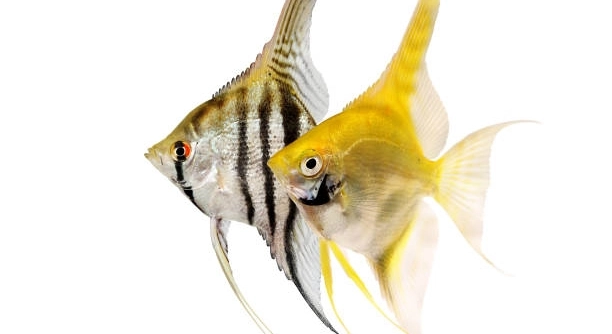
Angelfish tanks are often considered beautiful and calming, but maintaining the right environment is key for their health. One of the most important factors in ensuring a healthy tank is the presence of plants.
Your angelfish tank may need more plants if the fish show signs of stress, if algae growth is excessive, or if the water quality is poor. Plants improve oxygen levels, help with filtration, and create hiding spots for fish.
Adding more plants to your aquarium can improve your fish’s quality of life and the overall appearance of your tank. Keep reading to find out why plants are essential for angelfish care.
Poor Water Quality
Having more plants in your angelfish tank can help improve water quality. Plants absorb excess nutrients like nitrates and phosphates, which are typically produced by fish waste, uneaten food, and decaying matter. When these nutrients build up, they can lead to poor water conditions, which may harm your angelfish. A tank with a few plants might struggle to keep up with the waste, leaving your fish vulnerable to diseases. The more plants you have, the better the water filtration will be, resulting in a healthier, more stable environment for your fish.
Plants are natural water purifiers. They provide a natural filtration system that keeps the water oxygenated and helps remove harmful substances. With healthy plants, the water will be clearer, and your fish will have a more balanced environment.
Adding plants is an easy and effective way to enhance the overall health of your tank. They work alongside your filtration system to maintain a cleaner, healthier habitat for your angelfish. Over time, you will notice clearer water, less algae, and happier fish.
Stress in Angelfish
If your angelfish appear stressed, more plants might help. Angelfish are sensitive creatures, and adding plants can provide them with hiding spaces and a sense of security. This can lower stress levels and improve their well-being. Plants also offer shelter from tankmates that might be too aggressive.
Plants play a vital role in reducing the stress of angelfish. With plants in the tank, your angelfish have the opportunity to retreat when they feel threatened. They also help create a more natural environment, which can improve their mood and behavior. A stressed angelfish may show signs like hiding, lack of activity, or even refusal to eat. The right plants can help prevent this.
Excessive Algae Growth
When plants are absent or too few in your tank, algae can take over. Algae thrive in an environment where there is an excess of nutrients and light, and without plants to help balance this, algae can bloom rapidly. A tank with thick algae growth looks unattractive and may negatively impact water quality. More plants help to absorb the nutrients that algae need to grow, naturally reducing algae presence.
Plants compete with algae for nutrients, slowing down its growth. They also shade parts of the tank, preventing too much light from reaching the algae, which slows its spread. The result is clearer water, less maintenance, and a healthier environment for your angelfish.
Adding plants can be a simple yet effective solution to your algae problem. Plants help prevent algae from taking over by absorbing nutrients that would otherwise fuel algae growth. With proper plant coverage, you will notice less algae on surfaces and more time to enjoy your tank.
Poor Oxygen Levels
Plants play an important role in oxygenating your tank, especially in a smaller aquarium. As they photosynthesize, they produce oxygen, which is essential for the well-being of your angelfish. Without enough plants, oxygen levels can drop, causing stress to your fish and making it harder for them to thrive.
In tanks with fewer plants, you may need to rely on aerators or filters to oxygenate the water. However, plants provide a natural, low-maintenance way to increase oxygen levels. As a bonus, they also absorb carbon dioxide and other waste byproducts, which helps maintain a balanced ecosystem.
If you notice that your angelfish are breathing heavily or staying near the surface of the water, low oxygen levels could be the cause. Adding plants will provide a more natural solution to improving oxygen levels. The more plants you have, the better the oxygenation will be, giving your fish a healthier environment.
Lack of Natural Hiding Spots
Angelfish need places to hide and feel safe. Without plants, your tank may lack the necessary hiding spots for them to retreat to when they are stressed or feeling threatened. Plants help create a more natural and secure environment for your fish.
By adding plants, you give your angelfish more areas to explore and hide in. This promotes a sense of security, which reduces stress and encourages natural behaviors. Angelfish are peaceful but shy creatures, and when they feel safe, they are more likely to swim freely and interact with their tankmates.
Plants act as protective barriers, allowing your angelfish to feel less exposed. If your tank feels too open, the addition of plants can help calm your fish and improve their overall well-being.
Limited Tank Aesthetics
An empty or plant-free tank can appear dull and uninviting. Plants add beauty and texture to the aquarium, creating a more visually appealing and dynamic environment. A planted tank offers a lush, vibrant setting that brings out the colors of your angelfish.
Beyond aesthetics, plants create a more natural atmosphere for your fish. They mimic the environments angelfish come from, helping them feel more at home in their habitat. A well-planted tank also encourages your angelfish to swim more actively and engage with their surroundings. This makes your aquarium more lively and interesting.
Aesthetic appeal isn’t just for show. A tank full of plants can help make your aquarium feel like a small ecosystem, supporting both plant and fish life.
Slow Growth of Angelfish
Angelfish can struggle to grow properly in an environment that lacks plants. Without enough plants, water quality can deteriorate, and stress levels can rise, both of which negatively impact your fish’s growth. Plants help create a stable environment conducive to healthy development.
A well-planted tank offers a healthier ecosystem for your fish, with better water quality, oxygen levels, and more stable conditions. These factors encourage your angelfish to thrive and grow at their ideal rate. If you’ve noticed stunted growth or lack of energy in your fish, more plants could be the solution.
Plants also reduce the accumulation of waste and harmful chemicals, further contributing to an environment that promotes growth. By adding plants, you improve the overall health of your tank and give your angelfish the best chance to grow strong and healthy.
FAQ
How many plants should I add to my angelfish tank?
The number of plants you need depends on the size of your tank. A general rule is to have one plant for every 2 to 3 gallons of water. This will help ensure that the plants can effectively help with water filtration and oxygenation. The more plants you add, the better the environment will be for your angelfish. However, avoid overcrowding the tank with plants, as it may reduce swimming space for your fish. Balance is key.
Can I add plants to my tank without disturbing my angelfish?
Yes, you can. When adding plants, make sure to do it slowly and carefully to avoid stressing your angelfish. Try adding one or two plants at a time, allowing the fish to get used to the changes in their environment. Ensure that the plants are properly rooted to avoid them floating around and disrupting the tank’s balance.
Do plants need special lighting in an angelfish tank?
Yes, plants in your angelfish tank do need adequate lighting to grow. Angelfish tanks often require moderate lighting for the plants to thrive. Too much light can lead to excessive algae growth, while too little light can prevent plants from photosynthesizing properly. Invest in an aquarium light designed for plants, and consider the light needs of the species you choose.
Will my angelfish eat the plants in the tank?
Angelfish are generally not plant-eaters, but they may nibble on soft-leaved plants occasionally, especially if they’re hungry. While most angelfish tend to leave plants alone, some species may chew on certain types of plants, particularly if they are low in food supply. To prevent this, choose hardy plants with tougher leaves, like Anubias or Java fern, which are less likely to be damaged by your fish.
Are there any plants that are better for angelfish tanks?
Yes, certain plants thrive in the conditions that angelfish prefer. Hardy, low-maintenance plants like Anubias, Java fern, Amazon sword, and Cryptocoryne are great options. These plants provide cover, oxygenate the water, and are sturdy enough to withstand the occasional nibble. They also do well in lower light and moderate water conditions, making them ideal for angelfish tanks.
How do I prevent plants from dying in my angelfish tank?
To keep your plants healthy, ensure they receive the right amount of light, nutrients, and CO2. Regularly prune any dead leaves to prevent them from decaying in the tank and causing water quality issues. Make sure the plants are getting enough nutrients by using appropriate aquarium fertilizers. Additionally, avoid overfeeding your angelfish, as uneaten food can harm both plants and water quality.
Can plants help with the algae problem in my angelfish tank?
Yes, plants can help control algae growth in your tank. By absorbing excess nutrients such as nitrates and phosphates, plants limit the amount of food available for algae. This reduces algae blooms and promotes a healthier tank environment. Regularly maintain your plants, remove dead leaves, and ensure they are thriving to achieve the best algae control.
What should I do if the plants are floating in the tank?
If your plants are floating, it’s likely because their roots aren’t securely planted in the substrate. Make sure the plants have good root contact with the substrate. You may need to replant them or use weights to hold them down if they are not anchored properly. Alternatively, consider using plants that don’t require deep planting, like floating plants, which can still provide oxygen and help with filtration.
Do I need to add a CO2 system to my angelfish tank?
A CO2 system can boost plant growth, but it’s not essential for an angelfish tank. If you have a moderate plant load and provide proper lighting, your plants should grow well without additional CO2. However, if you plan to have a heavily planted tank with fast-growing plants, adding CO2 could help them thrive. For most angelfish tanks, basic lighting and a good substrate are enough.
How do plants improve oxygen levels in the tank?
Plants naturally produce oxygen through photosynthesis. During the day, plants absorb carbon dioxide and release oxygen as a byproduct. This process helps increase the oxygen levels in the tank, which is beneficial for your angelfish. At night, plants stop photosynthesizing, but the oxygen levels will typically remain high, especially in a well-planted tank.
Do I need to trim plants regularly in my angelfish tank?
Yes, regular trimming is important to prevent plants from overtaking the tank or becoming unhealthy. Trim dead or dying leaves, and cut back overgrown plants to allow better water flow and light penetration. Regular maintenance helps plants stay healthy and ensures that your angelfish have enough swimming space. Trimming also helps plants grow more vigorously, as removing old growth encourages new shoots.
Will plants help reduce stress in my angelfish?
Yes, plants can help reduce stress in angelfish. They provide hiding spots and a sense of security, which is especially important for shy or stressed fish. Plants also improve the overall water quality and create a more natural, calming environment for your angelfish. A well-planted tank promotes better health, and happy fish are less likely to be stressed.
Final Thoughts
Adding plants to your angelfish tank can significantly improve the overall health of your aquarium. Plants help maintain a balanced ecosystem by absorbing excess nutrients, which can otherwise lead to algae growth and poor water quality. This natural filtration process helps keep the water clean, clear, and oxygenated, making it a better environment for your fish. Angelfish, like most fish, thrive in stable, healthy conditions, and plants play an important role in creating that environment. Not only do they benefit the water quality, but they also provide a sense of security and comfort for your fish.
When choosing plants for your angelfish tank, it’s important to select species that suit the tank’s conditions. Hardy, low-maintenance plants like Anubias, Java fern, and Amazon sword are great options because they thrive in moderate light and are well-suited for the water conditions angelfish prefer. These plants provide shelter for your angelfish, reducing stress by offering hiding spots and places for them to retreat when they feel threatened. It’s also important to consider the size of your tank and the amount of light available when selecting plants. Too many plants can overcrowd the space, so be sure to find a balance that allows both the fish and plants to thrive.
While plants are beneficial, it’s important to maintain them properly. This means trimming dead leaves, ensuring they have enough light, and adding nutrients as needed. With the right care, your plants will help create a thriving and beautiful tank for your angelfish. Over time, the addition of plants will help improve the overall health and well-being of your fish. A well-planted tank doesn’t just look beautiful; it promotes a healthier and happier environment for your aquatic pets. So, if you’re looking to enhance your angelfish tank, adding more plants is a simple and effective step.

Hello,
If you enjoy the content that we create, please consider saying a "Thank You!" by leaving a tip.
Every little bit helps us continue crafting quality advice that supports the health, happiness, and well-being of pets around the world, for pets of all shapes, sizes, and species.
We really appreciate the kindness and support that you show us!