
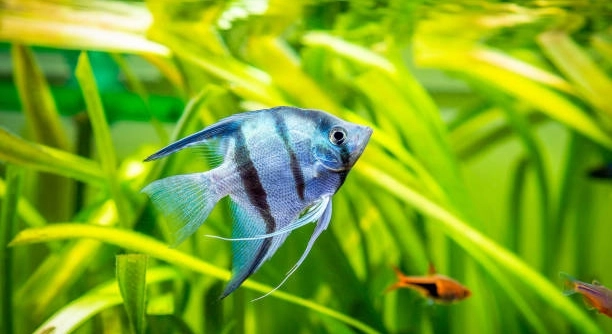
Are your angelfish constantly getting stuck in the filter, leaving you worried about their safety and well-being in the tank?
The most effective way to prevent angelfish from getting stuck in the filter is by reducing the water flow and using a pre-filter sponge. These adjustments create a safer environment without compromising the filter’s performance or cleanliness.
Learning a few easy changes can make a big difference in your angelfish’s daily life and prevent unnecessary stress or injury.
Use a Pre-Filter Sponge
Adding a pre-filter sponge is one of the easiest and most effective ways to keep angelfish from getting stuck. These soft sponges slide over the intake tube of your filter, blocking strong suction that could pull your fish in. Pre-filter sponges still let water through, so your tank stays clean. They’re gentle, affordable, and easy to clean. Many fish owners use them, especially with smaller or more delicate fish. You can find them in different sizes, so it’s easy to match one to your filter. It also helps reduce the amount of debris that reaches the filter media.
A sponge helps soften the water current, making it easier for angelfish to swim freely without stress or risk.
When using a pre-filter sponge, rinse it in tank water once a week to keep it from clogging. Avoid using tap water, as chlorine can harm the beneficial bacteria that help maintain water quality. Over time, the sponge may wear out or break down, especially with regular cleaning. Replacing it every few months is a good idea to keep things running smoothly. If your angelfish still hang around the filter, try adding plants or decorations nearby to redirect their attention. A sponge is simple but makes a noticeable difference.
Reduce the Water Flow
High water flow often makes it harder for angelfish to swim comfortably, especially near the filter intake.
To reduce the water flow, you can start by adjusting the filter’s flow settings if your model allows it. Many hang-on-back filters and canisters include a small switch or dial to slow down the output. If that’s not possible, redirect the outflow using a spray bar or by angling the output toward the tank wall. Some people use aquarium-safe decorations or plants to help block or soften the flow without affecting circulation. A gentle current lets angelfish swim without getting pushed around. It also reduces the chance of them getting trapped or injured. Another option is using a baffle—this can be made from a clean plastic bottle or sponge to help diffuse the flow before it hits the water. Always monitor your fish afterward. If they appear calmer and explore more, your adjustments are likely working.
Add Tank Decorations for Barrier
Tank decorations help create natural barriers that stop angelfish from swimming too close to the filter. They also give your fish more areas to explore and hide, making them feel safer and less stressed in their environment.
Placing large plants, driftwood, or rocks around the filter intake can act as a shield. These decorations interrupt the direct path to the suction and slow down the water flow near it. Use tall or bushy plants, real or artificial, to block open space without making the tank feel crowded. Just make sure decorations are aquarium-safe and don’t have sharp edges that could injure your angelfish. Proper placement matters—try putting the decorations just a few inches from the filter to form a soft barrier. This allows water to pass while keeping your fish at a safe distance. It’s a simple change that also makes the tank look more natural.
Angelfish are curious swimmers. They’ll often approach areas repeatedly, especially if they’re used to exploring every corner. When you add decorations near the filter, it redirects their attention and encourages them to explore other parts of the tank instead. You can also rearrange tank decor from time to time to spark new interest and reduce filter-related behavior. Keeping things fresh gives them stimulation and security, which leads to healthier behavior over time.
Choose the Right Filter for Your Tank
Some filters are simply too strong for angelfish, especially in smaller tanks. Choosing a filter with an adjustable flow rate or one made for gentle circulation can make a big difference in keeping them safe and comfortable.
Sponge filters or hang-on-back filters with flow control work best for angelfish. These filters provide enough filtration while maintaining a mild current. Avoid powerheads or internal filters that push strong jets of water across the tank. If your tank is under 30 gallons, use a smaller filter rated just above your tank size—not double or triple the volume. You want clean water, not strong currents. Look for filters that mention “gentle flow” or “ideal for bettas and small fish.” Canister filters can also work if you add a spray bar to spread the flow. When choosing a filter, think about how it moves the water, not just how much it filters. Your angelfish will swim more calmly and stay away from dangerous intake areas.
Use a Tank Divider
A tank divider can block off the filter area completely, giving your angelfish no access to it. It creates a safe zone and can also help reduce aggression if you’re keeping multiple fish together in one tank.
Choose a mesh or acrylic divider that allows water to flow but blocks fish. Make sure it fits securely and doesn’t leave gaps they can squeeze through.
Monitor Fish Behavior Often
Sometimes angelfish repeatedly go near the filter because of stress or boredom. Watching how they move around the tank can help you spot these patterns early. If they hover near the intake or get stuck more than once, it’s time to take action. Changes in behavior can also point to water quality issues, illness, or other stress factors. If needed, test your water, adjust decorations, or reduce light exposure. Even small adjustments can help your fish feel more secure. A calm angelfish will swim evenly across the tank and avoid getting too close to risky areas like the filter intake. Regular checks help prevent accidents.
Keep Young or Sick Fish in a Breeder Box
Young or weak angelfish are more likely to get pulled into the filter. A breeder box gives them space to rest and recover without being exposed to strong currents.
FAQ
Why are my angelfish getting stuck in the filter?
Angelfish may get stuck in the filter due to strong water currents or the filter’s intake design. They are naturally curious fish, and if the current is too strong, they may end up too close to the filter, getting stuck or stressed. This can also happen if they are not familiar with the tank setup or if the water flow is inconsistent, causing them to be drawn toward the intake.
What is the best filter for angelfish?
A filter with adjustable flow is ideal for angelfish, as it lets you customize the water current to suit their needs. Sponge filters are particularly good for angelfish, providing gentle filtration with minimal water disturbance. Hang-on-back filters with flow control also work well for larger tanks, as long as the water flow can be adjusted to prevent it from being too strong for the fish.
Can a pre-filter sponge help angelfish?
Yes, a pre-filter sponge can significantly help angelfish by covering the filter intake. This prevents the strong suction from drawing the fish in and reduces the chance of them getting stuck. The sponge also serves as a barrier, softening the water flow and improving the overall safety of your tank.
How can I reduce the water flow for angelfish?
To reduce water flow, you can adjust the filter’s flow rate if it has that option. If your filter doesn’t offer adjustable flow, consider redirecting the outflow using a spray bar or angle the filter nozzle toward the side of the tank. Adding tank decorations like rocks or plants near the filter can also naturally diffuse the flow.
How do I prevent my angelfish from staying near the filter?
To prevent your angelfish from lingering near the filter, you can rearrange decorations and add more plants or structures that will encourage them to explore other areas of the tank. Increasing the tank’s overall surface area and hiding spots can help the fish feel less focused on the filter and more at ease.
Is it okay to use a filter with too strong of a current for angelfish?
It is not ideal to use a filter with a too-strong current for angelfish. They prefer slow-moving water, and excessive flow can cause stress, injury, or even pull them into the intake. A filter with adjustable settings or a gentle sponge filter is a much better choice for angelfish.
Can adding plants help keep angelfish safe from the filter?
Yes, adding plants to your tank is a good way to keep angelfish safe. Plants act as natural barriers that redirect the flow of water and provide areas for angelfish to hide or rest. This creates a calmer environment where the fish feel more secure and less likely to get stuck near the filter.
Do angelfish need a lot of space to avoid the filter?
Angelfish do need space to swim freely and avoid getting stuck in the filter. A tank that is at least 20 gallons for a pair of angelfish is recommended. Having more space allows them to move around and explore without constantly being drawn to the filter area. A larger tank also provides more room for decorations that can serve as barriers to the filter.
Can a tank divider be useful for angelfish safety?
A tank divider can be very useful for keeping angelfish away from the filter. It separates the fish from the filter area while still allowing water to flow. This is especially helpful if you are keeping multiple fish or if you want to isolate young or sick fish from the current. It’s an easy way to create a safe zone without modifying the filter.
How often should I clean the filter to ensure my angelfish’s safety?
It’s important to clean the filter regularly to maintain water quality and avoid clogging. Clean the filter media every 2-4 weeks, depending on your tank’s size and the filter’s capacity. Be sure to rinse the pre-filter sponge and other parts in tank water to preserve the beneficial bacteria and prevent harming the tank’s ecosystem.
Can I use a breeder box to protect my angelfish from the filter?
Yes, a breeder box is a good option for protecting young or weak angelfish from the filter. It isolates them from strong currents while still allowing water to circulate. This can be especially useful for fish recovering from illness or injury, or for juveniles who are more vulnerable to getting stuck in the filter.
Final Thoughts
Keeping angelfish safe from getting stuck in the filter is easier than it might seem. By making small adjustments to your tank setup, you can create a safer environment for your fish. One of the simplest fixes is using a pre-filter sponge, which helps reduce suction and softens the water flow near the filter intake. This small change can make a huge difference in preventing accidents and reducing stress for your angelfish. In addition, using decorations like plants or rocks near the filter can help block the flow and give your fish more space to swim freely without getting too close to the filter.
Another important step is adjusting the water flow to better suit your angelfish. They prefer calm waters, so choosing a filter with an adjustable flow rate is key. If that’s not an option, you can redirect the flow or add a spray bar to diffuse the water. Slowing down the current makes it easier for your angelfish to swim and explore without the risk of being sucked into the filter. It’s also a good idea to monitor the behavior of your fish to make sure they aren’t lingering near the filter or appearing stressed. If they do, this could be a sign that adjustments need to be made.
Finally, using a tank divider or adding more hiding spots can be a great way to further protect your angelfish. A tank divider can isolate certain areas of the tank and prevent the fish from getting near the filter. Providing more places to hide or explore makes the tank feel safer and encourages natural behavior. By taking these simple steps, you can ensure that your angelfish live happily and safely in their tank. Regular maintenance, like cleaning the filter and checking the water flow, will also keep the environment healthy and stress-free. With a few changes, you can prevent filter accidents and help your angelfish thrive.

Hello,
If you enjoy the content that we create, please consider saying a "Thank You!" by leaving a tip.
Every little bit helps us continue crafting quality advice that supports the health, happiness, and well-being of pets around the world, for pets of all shapes, sizes, and species.
We really appreciate the kindness and support that you show us!