
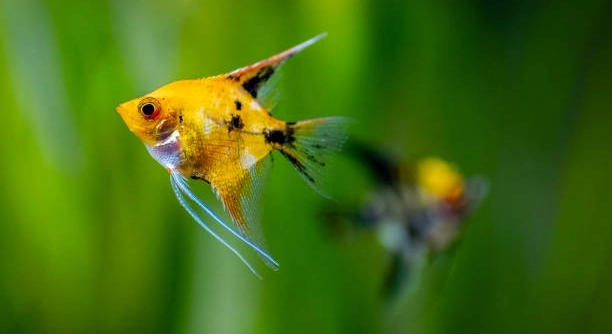
Angelfish are popular aquarium fish known for their beauty and peaceful nature. However, if you notice your angelfish staying near the corner of the tank, it might be a sign of something unusual.
Several factors could explain why your angelfish is staying near the corner of the tank. It could be due to stress, water quality issues, territorial behavior, or poor tank conditions. Identifying the cause will help resolve the issue and improve your fish’s health.
Understanding these potential reasons will allow you to make adjustments that promote a healthier, more comfortable environment for your angelfish.
Stress and Anxiety
Angelfish can be sensitive to changes in their environment, leading to stress. Stress can be caused by many factors, including loud noises, sudden movements, or overcrowded tanks. When stressed, angelfish may seek refuge in corners or other isolated areas to feel safer. It’s important to maintain a calm, quiet environment for your fish. If your tank is too noisy or there is constant movement around it, your angelfish may retreat to the corner as a coping mechanism. A stable environment with minimal disruptions will help your angelfish feel secure and less likely to hide.
A peaceful tank is vital for an angelfish’s well-being. Keep the area around the tank calm, and avoid tapping on the glass or sudden movements. This simple adjustment can reduce stress significantly.
Stress also affects angelfish behavior in the long run. Prolonged exposure to a stressful environment may lead to health issues or weakened immune systems. Maintaining a stable and quiet atmosphere helps to prevent these concerns, allowing your angelfish to thrive in a comfortable space.
Water Quality Issues
Water quality is crucial for all fish, including angelfish. Poor water conditions are a common reason for your angelfish staying near the corner. High levels of ammonia, nitrites, or nitrates in the tank water can harm your fish. This can make them seek shelter in corners, hoping to avoid areas with high pollutant levels. Regularly testing the water quality is essential for keeping your angelfish healthy.
Keeping the water clean and balanced will not only improve your fish’s behavior but also enhance their overall health. It is important to perform routine water changes and monitor the levels to maintain an ideal environment. A filter system can also help with water circulation, preventing areas with stagnant water where pollutants can build up. Clean water ensures your angelfish remains active and comfortable in the tank.
Maintaining proper water quality is a responsibility every fish owner should prioritize. A stable aquatic environment improves the chances of your angelfish staying healthy and active. Regular checks and cleaning routines will also ensure that the fish thrive without retreating into corners due to water quality problems.
Territorial Behavior
Angelfish can display territorial behavior, especially when they feel their space is threatened. If another fish enters their territory or their favorite spot in the tank, your angelfish might retreat to the corner to claim their own space. This is common in tanks with multiple fish.
If you have other fish in your tank, it’s essential to observe their interactions. Territorial disputes can lead to stress, with one fish trying to dominate the space. To avoid this, try rearranging decorations and creating separate territories for each fish. This can prevent your angelfish from feeling threatened, reducing the need to hide in corners.
Providing plenty of hiding spots and ample space for each fish to establish its own territory will make a significant difference. If the issue persists, consider keeping your angelfish in a tank by itself or with non-aggressive tank mates. This can prevent territorial conflict and encourage your angelfish to be more active.
Poor Tank Conditions
If the tank isn’t set up correctly, angelfish might feel uncomfortable and retreat to the corner. Tanks that are too small, have inadequate filtration, or lack proper lighting can lead to discomfort for your fish. A small tank doesn’t allow angelfish to swim freely and can cause stress.
Ensure your tank is large enough to provide swimming space for your angelfish. A tank size of at least 20 gallons is recommended for one angelfish. Check the filtration system regularly to maintain proper water flow. Lighting is also important for maintaining a natural day-night cycle, as poor lighting can affect your fish’s behavior.
Proper tank setup contributes to the health and happiness of your angelfish. A spacious, well-lit tank with proper filtration ensures that the environment is comfortable. This can help prevent your angelfish from seeking out corners as a place to hide.
Illness or Injury
Angelfish that are feeling unwell may hide in the corners of the tank to avoid being exposed. Illness or injury causes discomfort, making them seek out isolated, quiet places to rest. This behavior can be a sign that something is wrong.
Look for other signs of illness, such as fading color, clamped fins, or unusual swimming patterns. If your angelfish is injured, it may stay in a corner to avoid being picked on by other tank mates. It’s important to separate sick or injured fish and give them time to heal.
Make sure to monitor your angelfish closely for changes in behavior. If necessary, quarantine the fish in a separate tank to prevent the spread of illness and ensure it receives the right care.
Water Temperature
If the water temperature is too high or too low, your angelfish might seek shelter in a corner. Fish are sensitive to temperature changes, and extreme temperatures can cause stress. Keeping the water within the ideal range is key to their well-being.
Check your tank’s temperature regularly with a reliable thermometer. Angelfish thrive in water between 76°F and 82°F. If the water is too cold, your fish may become sluggish, and if it’s too hot, they may seek cooler spots. Adjust the heater or cooling system to maintain a steady temperature for the fish’s comfort.
Overcrowding
Overcrowding in a tank can lead to stress, making your angelfish feel confined. When there are too many fish in a tank, they may retreat to corners to escape the overcrowded environment. This can lead to anxiety and aggressive behaviors.
FAQ
Why is my angelfish swimming in circles around the corner?
If your angelfish is swimming in circles around the corner of the tank, it could be due to stress or boredom. Fish tend to exhibit this behavior when they’re either trying to escape a perceived threat or simply have too much pent-up energy. This could also be a sign that your angelfish isn’t getting enough stimulation in the tank. To help, try adding plants, decorations, or other tank mates to create a more stimulating environment.
Can poor water quality cause my angelfish to stay in the corner?
Yes, poor water quality is one of the most common reasons for abnormal behavior in fish, including staying in corners. If the water is too dirty or unbalanced, angelfish may retreat to a quiet, less polluted area. Ensure that you test the water regularly for ammonia, nitrites, and nitrates. Keep the water clean with regular changes, and invest in a good filtration system.
How can I reduce the stress my angelfish is experiencing?
Stress can arise from many factors such as loud noises, overfeeding, poor tank mates, or an unstable environment. To reduce stress, make sure your tank is in a quiet area of the house, away from any loud sounds. Keep the tank well-maintained with proper filtration, stable water temperature, and the right pH levels. Avoid overcrowding the tank and provide enough hiding spots for your fish.
Do angelfish need a lot of space to thrive?
Yes, angelfish require adequate space to swim freely and establish their territories. A tank that is too small can cause them to feel cramped, leading them to stay in corners. The minimum recommended tank size for one angelfish is 20 gallons, but larger tanks are better, especially if you plan on keeping multiple fish. Ensure your tank provides enough room for them to swim and feel comfortable.
What are the signs that my angelfish might be sick?
Look for signs such as clamped fins, lack of appetite, fading colors, or abnormal swimming patterns like staying at the corner. If your fish seems lethargic or hides more than usual, it could be a sign of illness. Check for any visible injuries or external parasites on the fish. If you notice any of these signs, it’s best to isolate the sick fish and treat it in a quarantine tank to prevent the spread of illness.
Can overcrowding cause my angelfish to act unusually?
Overcrowding can cause a significant amount of stress for angelfish. When there are too many fish in the tank, they may feel threatened and seek refuge in the corners to avoid competition for space and food. It’s important to ensure that your tank has enough space for each fish to have its own territory. If overcrowding is an issue, you might need to either upgrade to a larger tank or reduce the number of fish.
Is it normal for angelfish to hide in the corner at night?
It’s normal for angelfish to seek out a quiet, safe spot at night, including a corner. Like many fish, they prefer a peaceful area to rest and sleep. However, if your angelfish is hiding during the day or showing signs of distress, it may indicate other issues such as poor water quality, stress, or illness. Keep an eye on their behavior during both day and night.
How can I improve my angelfish’s living environment?
To improve your angelfish’s living environment, make sure to keep the tank clean and well-maintained. Invest in a good filtration system and perform regular water changes. Provide hiding spots, such as plants, rocks, or decorations, for your fish to feel secure. Ensure that the water temperature and pH levels are appropriate for angelfish, and avoid overcrowding. You should also offer a balanced diet and make sure they have a varied food source to keep them healthy and active.
Can other fish stress my angelfish out?
Yes, aggressive or overly dominant tank mates can stress out your angelfish. If you notice that your angelfish is hiding more often or acting more timid, it could be due to other fish in the tank bullying it. Some species of fish are naturally more territorial or aggressive. Try to monitor interactions and, if necessary, remove aggressive fish from the tank or rehome them to avoid conflict.
What should I do if my angelfish is not eating?
If your angelfish is not eating, it may be a sign of stress, illness, or water quality issues. First, check the water parameters to make sure they are within the ideal range. If the water is fine, consider the possibility of illness or injury. If there are no other symptoms of illness, try offering different types of food, such as frozen or live food, to see if your angelfish prefers something else. If it continues to refuse food, consider isolating it to address any health concerns.
How often should I change the water in my angelfish tank?
It’s recommended to change 25-30% of the water in your angelfish tank once a week. This helps keep the water quality high and removes any excess waste or toxins. If your tank is heavily stocked or the filtration system isn’t as effective, you may need to change the water more often. Always test the water before and after changes to ensure it is within the optimal range for your angelfish.
What temperature should the water be for angelfish?
Angelfish thrive in water temperatures between 76°F and 82°F (24°C – 28°C). Water that is too cold can make them sluggish, while water that is too hot can cause stress and reduce their lifespan. It’s essential to maintain a stable water temperature by using a reliable heater. Sudden temperature changes should also be avoided as they can be harmful to your fish.
Can angelfish live with other types of fish?
Angelfish are peaceful, but they can become territorial, especially during breeding seasons. They generally do well with other non-aggressive fish. Good tank mates for angelfish include peaceful species like tetras, corydoras catfish, and gouramis. Avoid keeping them with aggressive fish, as it may cause stress and lead to behavioral issues.
Final Thoughts
Angelfish are beautiful and relatively easy to care for, but they can sometimes exhibit behaviors that can be puzzling, such as staying in a corner of the tank. This behavior can be caused by a variety of factors, ranging from illness and stress to poor water conditions or overcrowding. It is important to consider all possible reasons before jumping to conclusions. By carefully observing your angelfish and making necessary adjustments to their environment, you can often pinpoint the cause of their behavior.
Maintaining proper water quality, temperature, and tank conditions is essential for the health and well-being of your angelfish. Regularly testing the water for ammonia, nitrites, and nitrates is a good practice to ensure it is within the optimal range. Ensuring your angelfish have enough space to swim, with proper filtration and adequate hiding spots, can help reduce stress and allow them to thrive. A well-maintained tank provides not only a healthier environment for the fish but also a more enjoyable experience for their owner.
If your angelfish continues to display unusual behavior despite addressing environmental and physical health factors, it might be worth consulting a professional. An experienced aquarium specialist or veterinarian can help rule out specific diseases or offer additional guidance on improving your fish’s environment. With the right care and attention, your angelfish can return to their normal, happy behavior, and your tank will become a peaceful and thriving aquatic space once again.

Hello,
If you enjoy the content that we create, please consider saying a "Thank You!" by leaving a tip.
Every little bit helps us continue crafting quality advice that supports the health, happiness, and well-being of pets around the world, for pets of all shapes, sizes, and species.
We really appreciate the kindness and support that you show us!