
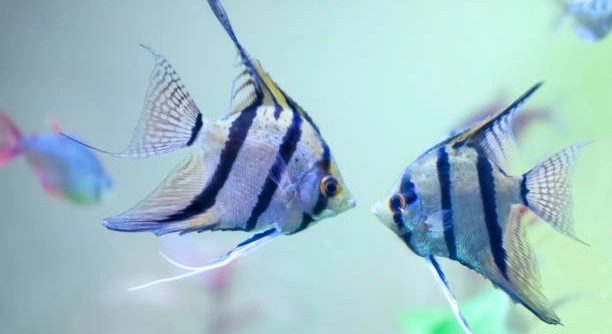
Aggression among angelfish can be a common issue for aquarium owners. It can make the environment tense and stressful for both the fish and the owner. Addressing this behavior is crucial for creating a healthy tank.
To reduce aggression in a group of angelfish, it’s important to adjust their environment, diet, and social interactions. Providing enough space, hiding spots, and establishing a proper feeding routine can significantly reduce aggressive behavior among these fish.
By focusing on these factors, you can create a peaceful environment for your angelfish. Continue reading to find out the most effective strategies for maintaining a harmonious tank.
Provide Plenty of Space for Your Angelfish
One of the simplest yet most effective ways to reduce aggression among angelfish is to ensure they have enough space. Angelfish are territorial and can become aggressive if they feel crowded. It’s recommended to have at least 10 gallons of water per angelfish to give them the freedom to swim without constant interaction with other fish. If possible, consider a larger tank with plenty of swimming areas, as this can help minimize territorial disputes. Overcrowding not only increases aggression but can also lead to stress and other health problems for the fish.
A spacious tank allows each fish to claim a territory without constantly being in each other’s way. This reduces the chances of aggression as they can retreat to their chosen area when they need peace.
In addition to giving your angelfish space, you can arrange decorations or plants to create natural barriers. These physical boundaries provide hiding spots where fish can escape from potential conflicts. This method works especially well in community tanks where other species are present. The more areas your angelfish can claim as their own, the less likely they are to fight over territory.
Introduce New Angelfish Slowly
When introducing new angelfish to an existing group, it’s important to do so gradually. This allows the current residents to get used to the new additions without feeling threatened. Start by placing the new fish in a separate tank for a few days, allowing them to adjust to the water conditions. Then, slowly introduce them to the main tank by placing them in a divider or keeping them in the tank’s corner. This will give the established fish time to get used to the newcomers without becoming overly aggressive.
Slow introductions help maintain harmony and prevent sudden confrontations. The more gradual the process, the less likely your angelfish are to react aggressively toward each other. This approach allows for a peaceful integration, reducing the chances of harm or stress.
Maintain Proper Water Quality
Angelfish thrive in clean, well-maintained water. Poor water conditions often lead to stress and aggression, as fish struggle to adapt to harmful levels of toxins. Regular water changes and proper filtration are essential to keep their environment healthy and calm. The water temperature should be stable, ranging between 75°F and 82°F.
Ammonia, nitrites, and nitrates should be monitored closely. High levels of these compounds are harmful to fish and can trigger stress responses, including aggression. Ensure that your filtration system is capable of handling the volume of water in your tank. A good filter will help remove waste and keep the water clean.
In addition to regular water changes, consider using a water test kit to check parameters like pH, hardness, and temperature regularly. Stability is key in reducing aggression. Sudden changes in water quality or temperature can stress your fish, leading to more aggressive behavior. By maintaining a stable, healthy environment, you create a peaceful setting for your angelfish to flourish.
Offer Adequate Food Supply
Proper feeding practices can reduce aggression by ensuring that your angelfish feel secure. In competitive environments, fish often fight over food, especially in overcrowded tanks. To avoid this, feed your angelfish multiple times a day in small amounts. This reduces competition for food and ensures all fish are getting enough nutrition.
Be sure to offer a balanced diet that includes both plant-based and protein-rich food options. You can use pellets, flakes, or live foods to keep your angelfish well-nourished. Ensure that each fish has access to the food they need, which can help prevent one fish from becoming overly dominant.
Feeding at different spots in the tank will give your fish the chance to eat peacefully. Scatter the food around the tank to reduce the chances of one fish controlling the feeding area. By managing feeding routines carefully, you can foster a sense of security and prevent territorial aggression among your angelfish.
Add Hiding Spots and Decorations
Adding decorations such as plants, rocks, or caves provides hiding spots for your angelfish. These spots help reduce stress, as fish can retreat when they feel threatened. The more complex the setup, the better the fish can claim their own space, which reduces conflicts.
Placing decorations strategically also encourages territorial behavior, but in a controlled manner. Angelfish tend to feel more secure with multiple hiding places, allowing them to rest away from the other fish. Overcrowding the tank with too many decorations can also create hidden spaces for aggression to fester, so balance is key.
Keep Aggressive Fish Separate
Some angelfish naturally have more dominant and aggressive personalities. If you notice certain individuals causing constant problems, it may be necessary to separate them temporarily. This can prevent the aggression from escalating and ensure the overall health of the group. In cases where aggression persists, you might consider removing the aggressive fish permanently.
Each angelfish is different, and what works for one might not work for another. Carefully observe your fish to determine who might be causing issues. Keeping a calm and peaceful environment is the priority, and sometimes separation can help restore balance.
Consider Group Size and Composition
The size of the angelfish group plays a major role in reducing aggression. A larger group can help spread out territorial claims, making it less likely that one fish will dominate. Angelfish often feel more comfortable in groups of 5 or more, as this helps distribute aggression evenly.
However, if your tank is too small, a larger group can lead to overcrowding, which increases stress and aggression. It’s essential to balance the number of fish with the size of the tank. Monitoring the interactions within the group can help you find the right balance for your setup.
FAQ
What causes aggression in angelfish?
Aggression in angelfish often stems from overcrowding, insufficient space, or competition for food. When angelfish feel their territory is threatened, they can become territorial and display aggressive behavior. Poor water conditions, especially high levels of toxins like ammonia or nitrites, can also stress the fish, leading to aggression. Additionally, introducing new fish suddenly or keeping incompatible tank mates can trigger fights. Angelfish are also more likely to become aggressive when they’re hungry or stressed, making proper feeding and tank management important.
How can I tell if my angelfish are fighting?
Angelfish fighting usually involves chasing, nipping, and displaying signs of aggression, such as flaring their fins. During fights, you might notice one fish attempting to chase or corner another. If you see this behavior consistently, it’s a sign that aggression is occurring. You may also observe a fish becoming isolated or hiding more often, which can indicate that it is being bullied. In severe cases, fins can be torn or damaged, so it’s important to monitor your fish closely and address any aggressive behavior promptly.
Is it normal for angelfish to fight?
Some level of aggression is normal among angelfish, especially when establishing territory or during mating behavior. However, excessive fighting or bullying is not typical. Angelfish should be able to coexist peacefully in a well-balanced tank. If aggression is ongoing and causing harm to the fish, it indicates that there is an issue that needs addressing, such as overcrowding, insufficient hiding spots, or water quality problems. It’s essential to understand the behavior and take steps to reduce aggression to maintain a healthy and peaceful aquarium environment.
How do I reduce aggression during mating?
During mating, angelfish can become territorial, and aggression may increase. To reduce conflict, it’s important to ensure that the tank has plenty of hiding spots and space for each fish to retreat to. If possible, provide separate areas for the fish to spawn in peace. Additionally, avoid introducing new fish during the mating season, as this can increase stress and aggression. Keeping the water quality stable and the tank clean will also help prevent stress-related aggression during this time. Once the mating period ends, the aggression should subside.
Can angelfish live with other fish?
Angelfish can live with other species, but it’s crucial to choose tank mates that are peaceful and not overly territorial. Avoid keeping angelfish with smaller or more timid fish, as they might become targets for aggression. Similarly, large or aggressive species can cause stress and conflict for angelfish. Good tank mates include other peaceful cichlids, catfish, and non-aggressive schooling fish. It’s important to consider each fish’s temperament and the size of the tank when planning a community tank. Introducing new fish gradually and monitoring their interactions is also essential for a harmonious environment.
How often should I feed angelfish to reduce aggression?
Feeding angelfish multiple times a day in small amounts can help reduce aggression by ensuring that all fish get enough food without competing for it. Overfeeding can lead to waste buildup and poor water quality, which can increase aggression. Offering a balanced diet with both plant-based and protein-rich foods ensures that the fish are getting all the nutrients they need to stay healthy. By providing food in different areas of the tank, you can prevent any one fish from dominating the feeding area, helping to reduce territorial disputes.
How can I separate aggressive angelfish?
If you notice a particularly aggressive angelfish causing trouble in the tank, you may need to separate it temporarily. A breeding box or divider can be placed in the tank to separate the aggressive fish from the rest. This will give both the aggressive fish and the others time to calm down. If the aggression continues or escalates, you may need to remove the aggressive fish permanently or transfer it to a separate tank. Monitoring behavior after separation is crucial to ensure the remaining fish remain calm and healthy.
What are the best tank conditions for peaceful angelfish?
Peaceful angelfish thrive in a stable, clean, and well-maintained tank with plenty of space and hiding spots. The water temperature should range between 75°F and 82°F, with a pH level between 6.8 and 7.8. Proper filtration and regular water changes are essential to maintain good water quality and prevent stress. Tank decorations like plants, rocks, and caves can provide hiding spots and reduce the likelihood of aggression. Additionally, maintaining a proper stocking level with appropriate tank mates and avoiding overcrowding will contribute to a peaceful environment.
How long should I quarantine new angelfish before introducing them?
Quarantining new angelfish before introducing them to your main tank is crucial to prevent the spread of diseases. A quarantine period of 2-4 weeks is recommended. During this time, monitor the fish closely for any signs of illness, such as abnormal swimming patterns, loss of appetite, or visible spots or lesions. The quarantine period also gives the new fish time to adjust to their new environment and reduces the chance of introducing stress or aggression to the existing tank residents. Quarantining ensures that only healthy fish are added to the main tank.
Why are my angelfish attacking each other?
Angelfish attacking each other can result from territorial disputes, especially in tanks that are too small or overcrowded. Males may also fight over females during the breeding season. Another reason for aggression can be the introduction of new fish, which may be perceived as a threat to established fish. Lack of hiding spots and insufficient food can also lead to increased competition and aggressive behavior. By providing plenty of space, hiding spots, and ensuring all fish are fed properly, you can help reduce the likelihood of such attacks.
Final Thoughts
Managing aggression in angelfish requires patience and attention to their environment. Creating a peaceful tank for your angelfish involves understanding their behaviors and providing a suitable space for them to thrive. By ensuring that your tank is not overcrowded, that there are enough hiding spots, and that all fish are well-fed, you can reduce most aggressive tendencies. It’s important to observe your fish regularly and make adjustments as needed to avoid long-term stress that can lead to ongoing aggression. A balanced tank is key to keeping angelfish healthy and harmonious.
While some aggression is normal, particularly during breeding, it’s important not to let it escalate to harm the fish. If you notice that aggression becomes more frequent or leads to injuries, it’s crucial to act quickly. Separating aggressive fish or adjusting the tank setup can help maintain peace among the fish. If you’re adding new fish, make sure to do so gradually and monitor their interactions. Introducing new tank mates slowly allows the existing fish to adjust and reduces the likelihood of territorial aggression. Additionally, consistent water quality and tank maintenance will help keep stress levels low.
In the end, providing a calm, secure environment for your angelfish should be a priority. By observing their behavior and making necessary changes, you can ensure a peaceful aquarium. A well-maintained tank with healthy fish is not only visually appealing but also contributes to the long-term well-being of your angelfish. If aggression persists despite your efforts, it may be a sign of deeper issues such as incompatible tank mates or an overcrowded setup. Addressing these issues early can help prevent ongoing problems and ensure your angelfish enjoy a stress-free environment.

Hello,
If you enjoy the content that we create, please consider saying a "Thank You!" by leaving a tip.
Every little bit helps us continue crafting quality advice that supports the health, happiness, and well-being of pets around the world, for pets of all shapes, sizes, and species.
We really appreciate the kindness and support that you show us!