
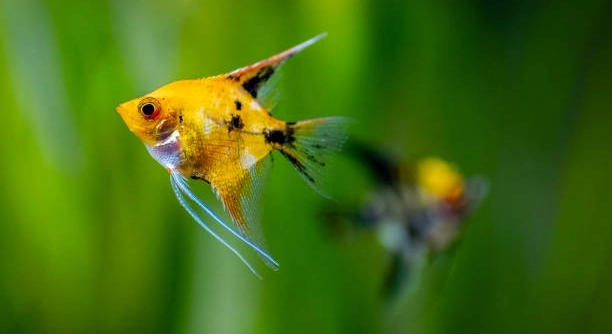
Do your angelfish seem a little off lately, or are you just starting out and want to keep them healthy and happy?
Avoiding common mistakes is key to maintaining the health of angelfish. Overcrowding, poor water quality, and incorrect feeding are frequent issues. Being mindful of these factors can significantly improve their environment and overall well-being.
These small changes can help your angelfish thrive, reducing stress and supporting their long-term health in a home aquarium setting.
Overcrowding the Tank
Angelfish need enough space to swim, grow, and establish their own territory. Keeping too many fish in a small tank causes stress and aggression, especially among territorial species like angelfish. Limited space leads to poor water quality, faster ammonia build-up, and oxygen deficiency. A good rule is to keep one angelfish per 10 gallons of water. Make sure the tank is tall, not just wide, as angelfish have long fins and upright bodies. Overcrowding also makes it hard to maintain a healthy balance in the tank, making regular cleaning and filtering less effective. Even if your tank seems peaceful at first, behavioral issues can quickly develop when space becomes limited. It’s better to start with fewer fish and monitor how they interact before adding more. This not only protects your angelfish but also creates a better environment for all tank mates, especially if you are keeping other species alongside them.
Watch for nipping, chasing, and hiding—these are signs your angelfish need more space or fewer tank mates.
Choosing a properly sized tank from the beginning makes everything else easier. You’ll notice fewer fights, more relaxed swimming patterns, and generally healthier behavior. Angelfish can live for years when kept in a comfortable and clean environment that supports their natural habits.
Ignoring Water Quality
Dirty water stresses angelfish and weakens their immune system. Regular maintenance, testing, and water changes are needed to avoid this problem. Clean water helps your fish live longer and stay active.
Angelfish are sensitive to changes in water chemistry, especially high levels of ammonia, nitrite, and nitrate. Skipping routine tank care leads to dangerous buildup of toxins. Always test your water at least once a week using a reliable test kit. Maintain a temperature between 76–82°F, a pH of 6.8–7.8, and avoid sudden changes. Use a good filter that matches your tank’s size and rinse it in old tank water—not tap water—to preserve beneficial bacteria. Partial water changes (25–30%) should be done weekly to keep levels safe. Watch for cloudy water, algae blooms, or foul smells—these are all signs that your tank needs attention. Clean water not only helps angelfish look vibrant, it also reduces illness and stress-related behavior.
Feeding Them Incorrectly
Feeding angelfish too often or giving them the wrong food can lead to bloating, poor digestion, and even water pollution. They need a balanced diet and should only be fed small portions once or twice a day.
Angelfish do best with a mix of high-quality flakes or pellets, along with occasional treats like brine shrimp or bloodworms. Overfeeding is a common mistake, especially with new owners who think more food means more care. Uneaten food sinks and decays, affecting water quality and causing harmful spikes in ammonia. Stick to feeding what your angelfish can finish in two to three minutes. Vary their diet every few days to ensure they get all the nutrients they need. Avoid feeding human food or low-quality options that contain fillers or artificial dyes. A proper feeding schedule makes a big difference in how your angelfish look and behave.
Watch for signs like a swollen belly, lack of appetite, or floating awkwardly—all of which can suggest digestive issues caused by improper feeding. If your angelfish are leaving food behind or seem uninterested, reduce the amount and check the food’s quality. Also, avoid feeding just one type of food long-term. Rotate protein sources and include plant-based flakes occasionally for balance.
Using the Wrong Tank Mates
Angelfish can be peaceful but territorial, especially when paired with aggressive or overly active species. Choosing the wrong tank mates leads to stress, damaged fins, and fighting. Always research compatibility before adding new fish.
Fast-moving or nippy species like tiger barbs, some tetras, or certain cichlids can harass angelfish and cause long-term damage. At the same time, placing slow-moving or shy fish with dominant angelfish can also create problems. Look for calm, medium-sized fish that match angelfish in temperament and water needs. Examples include peaceful tetras, gouramis, and cory catfish. Avoid adding too many fish at once, and always monitor behavior during the first week. If you notice fin nipping or constant chasing, separate them quickly. Tank layout also plays a role—use plants and decorations to give each species enough hiding spots and room to swim. A peaceful tank setup improves health, feeding, and overall harmony among your fish.
Skipping Regular Maintenance
Skipping regular maintenance leads to poor water conditions and affects the health of your angelfish. Cleaning the tank, checking equipment, and changing water weekly are basic tasks that help prevent disease and stress in your fish.
A dirty tank can quickly become toxic, especially if uneaten food and waste build up. Filters can clog, heaters may fail, and algae can take over if not checked. Keeping a schedule makes it easier to manage everything and avoid problems before they start.
Not Providing Hiding Spots
Angelfish need hiding spots to feel secure and reduce stress. Without plants, rocks, or decorations, they may become anxious and aggressive. Even confident fish benefit from having a space to retreat when needed.
Using Tap Water Without Treatment
Untreated tap water contains chlorine, chloramine, and heavy metals that can harm your angelfish. Always use a water conditioner to make it safe before adding it to the tank.
FAQ
How often should I clean my angelfish tank?
Clean your tank once a week. This includes a 25–30% water change, checking the filter, wiping algae off the glass, and removing any uneaten food or waste. Keeping a regular schedule helps maintain water quality and reduces the chance of disease or stress in your angelfish.
What temperature is best for angelfish?
Keep the water temperature between 76°F and 82°F. Use an aquarium heater to maintain a stable temperature and avoid sudden drops. Angelfish don’t handle cold water well and may become sluggish or sick if the temperature changes too quickly or falls below this range.
Do angelfish need a filter?
Yes, angelfish need a reliable filter. Filters help remove waste, leftover food, and harmful chemicals. Choose a filter that fits the size of your tank and does not create a strong current. Angelfish prefer calm water, so gentle flow is best for their comfort.
Can angelfish live with guppies or bettas?
It’s not always a good match. Guppies are smaller and may be seen as food by adult angelfish. Bettas can be territorial and aggressive, especially with other long-finned fish. If you try these combinations, monitor closely for any signs of aggression or stress.
Why are my angelfish fighting?
Angelfish may fight due to overcrowding, lack of hiding spaces, or poor water conditions. They’re territorial, especially during breeding. Provide enough space, plants, and clean water to reduce aggression. If fighting continues, separate the fish to prevent injury or stress.
How can I tell if my angelfish are stressed?
Signs of stress include hiding more than usual, faded color, fast breathing, or not eating. They may also swim erratically or stay near the surface. Check water quality, temperature, tank mates, and make sure they’re getting proper food and care.
What should I feed my angelfish daily?
Feed them high-quality flakes or pellets once or twice a day. Add treats like frozen or live brine shrimp or bloodworms a few times a week. Only feed what they can eat in 2–3 minutes to avoid overfeeding and water pollution.
Can I keep angelfish in a planted tank?
Yes, angelfish do well in planted tanks. Live plants provide hiding spots, improve water quality, and create a calm environment. Choose hardy plants like Amazon swords or java fern that can tolerate the angelfish’s occasional nibbling or digging behavior.
Do angelfish lay eggs?
Yes, angelfish lay eggs. A breeding pair will clean a surface, then the female lays eggs in rows while the male fertilizes them. They may protect the eggs for a few days. If stressed or threatened, they may eat the eggs or abandon them.
How big will angelfish get?
Adult angelfish can grow up to 6 inches long and 8 inches tall, including their fins. They need a tall tank to swim comfortably. Make sure the tank is large enough, especially if you’re keeping a group or planning to breed them later on.
Do angelfish need light in their tank?
Yes, they need light for about 8–10 hours a day. Use an aquarium light to maintain a regular day-night cycle. Too much light can cause algae growth, so turn it off at night or use a timer for consistency and to avoid stress.
How long do angelfish live?
With proper care, angelfish can live 10 years or longer. A clean tank, proper diet, suitable tank mates, and stable water conditions all help extend their lifespan. Healthy angelfish will stay active, grow steadily, and show bright, clear coloring as they age.
Why are my angelfish staying near the surface?
This may mean there’s not enough oxygen in the water. Check your filter, water temperature, and surface agitation. High ammonia levels or poor water quality can also cause this behavior. Test the water and perform a partial change if needed.
Can angelfish recognize their owners?
Yes, angelfish can recognize their owners over time. They often swim to the front of the tank when you approach, especially around feeding time. They may not show affection like other pets, but they can become familiar with your presence and routine.
Final Thoughts
Caring for angelfish is rewarding, but it also comes with responsibilities. These fish are sensitive to their environment, so even small mistakes can affect their health. Avoiding overcrowding, feeding the right amount, and keeping water conditions stable are all important steps. It’s not just about having a clean tank—it’s about making sure the fish feel safe, have room to swim, and are not constantly stressed by other fish or poor water quality. These are basic needs, but they play a big part in how long your angelfish live and how well they thrive in your aquarium.
Some habits, like overfeeding or skipping regular tank maintenance, can be easy to fall into. But over time, these can lead to issues that are harder to fix. Dirty water, high ammonia levels, or territorial fights may not show up right away, but they build up quietly. By keeping a simple care routine, you can avoid many common problems. Test your water weekly, feed measured amounts, and keep a close eye on how your fish are behaving. Healthy angelfish will swim steadily, show bright colors, and react to movement outside the tank. If you notice sudden changes, it’s best to check everything from water levels to tank mates.
Taking a little extra time to understand their needs can make a big difference. Angelfish may not demand constant attention, but they rely on stable conditions to stay healthy. The more consistent you are with feeding, cleaning, and tank care, the less likely they are to suffer from stress or illness. As you spend more time with your angelfish, you’ll begin to notice their patterns and personalities. Some will be more curious, others more shy—but they all benefit from the same basic care. With the right approach, your angelfish can live a long, peaceful life in a calm and healthy aquarium.

Hello,
If you enjoy the content that we create, please consider saying a "Thank You!" by leaving a tip.
Every little bit helps us continue crafting quality advice that supports the health, happiness, and well-being of pets around the world, for pets of all shapes, sizes, and species.
We really appreciate the kindness and support that you show us!