
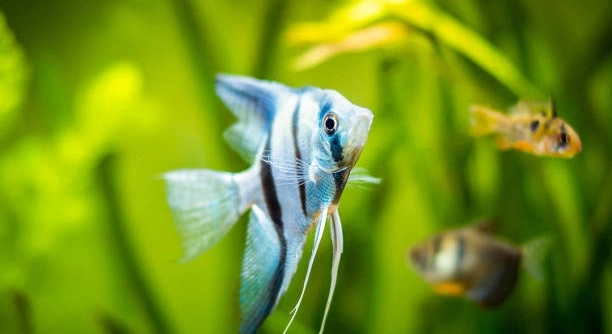
Angelfish are beautiful, graceful creatures, and it can be concerning when they act differently. If you’ve noticed your angelfish resting against the glass, you may wonder what’s going on. Let’s explore the possible reasons behind this behavior.
Angelfish may rest against the glass for several reasons, including stress, illness, improper water conditions, or even boredom. It’s important to observe their behavior and environment to determine the underlying cause and address it properly.
Understanding these causes can help you provide the best care for your angelfish. Let’s go over the key factors to ensure your fish stays healthy and happy.
1. Stress and Anxiety
Angelfish are sensitive creatures, and any change in their environment can cause stress. This could include loud noises, sudden temperature changes, or even new fish introduced to the tank. Stress may lead them to seek a quiet, safe place, like resting against the glass. If they feel threatened or anxious, this behavior is a way for them to try and cope with their surroundings.
Fish need a stable environment to thrive. The tank should be placed in a calm area away from heavy foot traffic or loud sounds. Keeping the water conditions steady is just as important. When a fish is stressed, it may display other symptoms like hiding or acting lethargic. Pay attention to the overall condition of the aquarium, including temperature, filtration, and water quality.
Consistent maintenance of the tank and regular observation of your angelfish’s behavior can help reduce stress. If you notice any signs of prolonged stress, such as a lack of appetite or discolored skin, it’s essential to address the root cause immediately. A calm and stable tank promotes a healthier environment for your angelfish.
2. Illness or Injury
Sometimes, your angelfish resting against the glass could be a sign of illness.
When fish are unwell, they may seek places where they feel secure. Angelfish might stay close to the glass if they’re struggling to swim or if they’re feeling weak. This behavior can often accompany other symptoms like changes in color, loss of appetite, or rapid gill movement. If you notice any of these signs, it could indicate a bacterial or parasitic infection.
To help, you should check the water quality and make sure the temperature and pH levels are appropriate for your angelfish. If these parameters are normal, consider isolating the sick fish in a quarantine tank to prevent spreading the illness. It’s also a good idea to research the specific symptoms to understand the illness better.
Be prepared to take your fish to a specialist if necessary, as fish diseases can progress quickly without proper treatment. Regular check-ups on water conditions and tank maintenance can prevent many health issues in the first place.
3. Poor Water Quality
Water quality is crucial for angelfish health. If the water is too dirty or the chemical balance is off, your fish may rest against the glass to avoid feeling uncomfortable. High levels of ammonia, nitrites, or low oxygen can make them lethargic and seek out areas that seem more stable.
Testing the water for ammonia, nitrate, nitrite, and pH levels can quickly show if something is wrong. If any of these levels are off, you’ll need to perform a water change immediately. Poor water quality can also lead to skin irritation, making the fish seek a specific spot for relief.
Keeping your tank properly filtered and performing regular water changes can prevent many problems. Your angelfish will be more active and healthier if they have clean water to swim in. A good rule of thumb is to change at least 25% of the water every two weeks.
4. Temperature Fluctuations
Temperature fluctuations can have a big impact on your angelfish’s behavior. If the water is too hot or too cold, they may find comfort near the glass.
Angelfish prefer temperatures between 76-82°F (24-28°C). Any drastic change can cause stress and make them look for areas where they feel more comfortable. Sometimes, their resting against the glass could be a sign that they are struggling to maintain their normal swimming activity.
To avoid temperature issues, invest in a reliable aquarium heater. Make sure it’s set to the proper range, and use a thermometer to monitor the water regularly. This ensures that your angelfish won’t face the stress caused by fluctuating temperatures, allowing them to stay active and healthy.
5. Overcrowded Tank
An overcrowded tank can lead to your angelfish resting against the glass. When there are too many fish in a small space, your angelfish may feel stressed or overwhelmed. This behavior is often an attempt to avoid conflict with other fish.
To prevent overcrowding, always follow recommended stocking guidelines for your tank size. Keep in mind that angelfish need space to swim freely, and having too many tank mates can make them feel confined. If you notice aggression or territorial behavior, consider rehoming some fish to reduce the stress.
Adding plants or hiding spots can also help reduce tension and give fish more areas to retreat to. By creating a comfortable and spacious environment, your angelfish will feel safer and more relaxed.
6. Boredom
Angelfish, like many aquarium fish, need stimulation to stay active and healthy. If your angelfish are resting against the glass, they may be bored or lacking mental stimulation.
Try adding decorations, plants, or other items to the tank to create a more engaging environment. Items like caves or driftwood can encourage natural behavior and exploration. Keeping their space interesting will help them stay active and reduce behaviors like resting against the glass.
Angelfish are curious by nature, and they will thrive when given enough space and activities to engage with. Regular changes in the tank environment can keep them entertained.
7. Swimming Fatigue
After swimming for a long period, your angelfish may rest against the glass simply because they are tired. If they have been actively swimming throughout the tank, they may stop to catch their breath.
Make sure the tank is large enough to allow for plenty of swimming space. If they’re constantly swimming against the current or other fish, this could cause exhaustion. Adjusting the water flow can help, especially for angelfish who prefer calm waters.
FAQ
Why is my angelfish staying near the top of the tank?
If your angelfish is staying near the top of the tank, it could be a sign of low oxygen levels or poor water quality. Angelfish, like many fish, naturally swim at different water levels depending on their needs, but if they are staying near the surface more than usual, check your water parameters. Ensure your filter is working properly and consider adding an air stone to improve oxygen circulation. High temperatures can also cause fish to move closer to the surface, as warmer water holds less oxygen.
Is it normal for my angelfish to rest at the bottom of the tank?
It is not unusual for angelfish to rest at the bottom of the tank for short periods, especially during sleep. However, if your angelfish stays at the bottom for extended periods, it could be a sign of a problem. Poor water quality, illness, or stress might cause them to spend more time in this area. If this behavior continues, it’s important to check the tank conditions and monitor for any other signs of health issues, like loss of appetite or discoloration.
How can I tell if my angelfish is stressed?
Stressed angelfish may display a variety of signs, including erratic swimming, hiding, or resting against the glass. They may also refuse food or exhibit unusual behaviors, such as flashing or rubbing against objects. Stress in angelfish can be caused by many factors, including poor water quality, overcrowding, sudden changes in the environment, or the presence of aggressive tank mates. To reduce stress, maintain a consistent tank environment and provide adequate hiding spaces.
How do I improve water quality for my angelfish?
Improving water quality starts with regular tank maintenance. Perform weekly water changes of around 25%, clean the filter regularly, and make sure the water is properly aerated. Test the water regularly for ammonia, nitrites, and nitrates, and adjust filtration or water changes if needed. A reliable aquarium heater can help keep the temperature stable, and using a water conditioner can help neutralize harmful chemicals in tap water.
Should I be worried if my angelfish is resting against the glass?
Not necessarily. Angelfish may rest against the glass for a variety of reasons, such as stress, boredom, or a temporary break after swimming. However, if the behavior continues or is accompanied by other signs of distress (like loss of appetite, unusual swimming, or changes in color), it may indicate a problem with water quality, illness, or stress. Keep an eye on the situation, and check the environment for any possible issues.
What should I do if my angelfish is lethargic and not moving much?
If your angelfish is lethargic and not swimming, it could be a sign of poor water quality, illness, or injury. First, check the water parameters, ensuring the temperature and chemical balance are suitable. If the water is clean and conditions are optimal, observe for any other signs of illness, such as bloating, discoloration, or torn fins. A quarantine tank can help isolate a sick fish, and consulting an aquatic vet might be necessary for proper treatment.
Can I add more fish to my tank if my angelfish is resting against the glass?
If your angelfish is resting against the glass due to stress, adding more fish to the tank may worsen the problem. Overcrowding can increase competition for space and resources, potentially causing more stress. Before adding more fish, address the underlying issue first—whether it’s poor water quality, inappropriate tankmates, or inadequate space. A properly stocked tank can help keep angelfish healthy and reduce stress.
Why does my angelfish keep swimming in circles?
Swimming in circles may indicate that your angelfish is stressed, confused, or disoriented. It could be a sign of poor water conditions, a lack of oxygen, or even a sign of illness, such as parasites or internal problems. Check water quality, ensure there are no aggressive tank mates, and verify that the tank is well-aerated. If the behavior persists, you may need to isolate the fish and monitor for other signs of illness.
Is it safe to put decorations in the tank if my angelfish is resting against the glass?
Yes, adding decorations can be helpful if your angelfish is stressed. Creating hiding spots or providing plants and caves will give your fish more options to feel secure. However, make sure that the decorations are smooth and free from sharp edges that could injure your fish. Adding decorations or rearranging the tank can also stimulate your angelfish and encourage more natural behavior, which may reduce stress and glass resting.
How long can an angelfish survive without moving?
Angelfish may rest or remain stationary for short periods, especially during sleep, but if they remain motionless for long periods, it’s a concern. If they are not moving for an extended time during the day, check for signs of illness, poor water quality, or stress. A healthy angelfish should be active, swimming around, and exploring its environment. Prolonged immobility is not normal and should be addressed immediately by adjusting the tank conditions and, if necessary, isolating the fish to treat any health issues.
Final Thoughts
Understanding why your angelfish may be resting against the glass can help you identify any potential issues in the tank. It’s important to observe your fish closely and monitor their behavior for any signs of stress, illness, or discomfort. By addressing problems like poor water quality, overcrowding, or temperature fluctuations, you can create a more stable and healthy environment for your fish. Regular water testing and maintenance are essential in keeping the tank conditions in check and ensuring your angelfish thrive.
While resting against the glass is not always a cause for concern, it’s essential to take note of any changes in behavior. If your angelfish starts exhibiting other signs, like loss of appetite or discolored fins, it could indicate a deeper issue. In such cases, it’s important to act quickly and make adjustments to the tank conditions or seek professional help if necessary. Prevention is key, and being proactive with tank maintenance and observing your fish’s behavior can save you from more serious problems down the road.
Angelfish are delicate creatures that thrive in stable, well-maintained environments. Ensuring that their basic needs, like clean water, a comfortable temperature, and enough space to swim, will go a long way in keeping them healthy. By following proper care practices and staying attentive to your fish’s well-being, you can help them live long, happy lives. With the right attention and care, your angelfish will enjoy their tank environment and show you less signs of stress or discomfort, making them a beautiful and peaceful addition to your aquarium.

Hello,
If you enjoy the content that we create, please consider saying a "Thank You!" by leaving a tip.
Every little bit helps us continue crafting quality advice that supports the health, happiness, and well-being of pets around the world, for pets of all shapes, sizes, and species.
We really appreciate the kindness and support that you show us!