
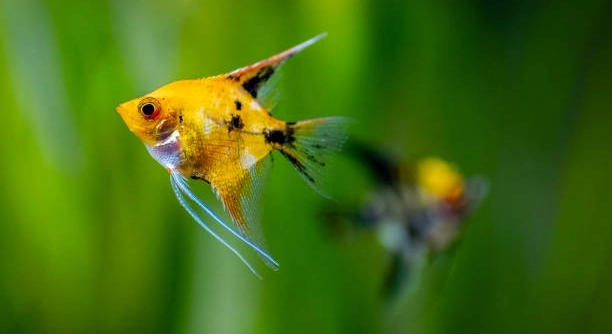
Angelfish are a popular choice for aquarium enthusiasts, but caring for them requires understanding their needs. One important factor to consider is lighting. Proper lighting can make a significant difference in their well-being.
Angelfish do not require intense lighting, but they do thrive in moderate light conditions. Too much light can lead to stress, while too little can affect their health. Balancing lighting is essential to maintain a healthy tank environment.
Understanding light preferences is just one aspect of keeping your angelfish healthy. This article will explore additional factors that contribute to their overall well-being.
How Light Affects Angelfish Behavior
Angelfish are sensitive to their environment, and lighting plays a major role in their behavior. Too much light can cause stress, making them more anxious and less active. They prefer low to moderate light, which mimics the natural environment where they live in shaded waters, often under the canopy of plants. Excessive lighting can also lead to algae growth, making the tank appear murky and impacting the fish’s health. In contrast, too little light can result in a lack of energy and reduced appetite. Proper lighting helps establish a stable routine for the fish and encourages natural behaviors, such as hunting and exploring.
Lighting not only affects behavior but also health. If the tank is too dark, the angelfish may become lethargic. It’s essential to find the right balance of light to maintain energy levels and overall vitality.
Understanding these needs allows you to create a balanced environment, reducing stress and promoting healthy behavior. This contributes to their long-term well-being in your care.
The Role of Aquarium Plants in Lighting
Aquarium plants require light to thrive, and this is important for angelfish too. Healthy plants can act as hiding spots, helping angelfish feel secure. With proper lighting, plants will grow well, ensuring that your angelfish has a stable and natural habitat.
Plants also improve water quality by absorbing excess nutrients and providing oxygen. They can act as a barrier, reducing aggression between angelfish and other tankmates.
Lighting Duration
Angelfish thrive in a consistent day-night cycle, which means maintaining a set lighting schedule is crucial. Too much light for prolonged periods can cause stress and disrupt their natural rhythm. Aim for 10 to 12 hours of light each day, mimicking the natural cycle of day and night.
Providing a stable light cycle supports angelfish health and encourages natural behaviors. It helps them feel more secure in their environment and reduces stress-related issues. Consider using a timer to regulate lighting, ensuring it’s on for the right amount of time. This also prevents accidental overexposure.
Regular light cycles are also beneficial for aquarium plants, which support the fish’s well-being. The right amount of light encourages plant growth and aids in maintaining a healthy ecosystem. With a consistent schedule, both the plants and angelfish can flourish without being overexposed to harsh lighting conditions.
Lighting Color
The color temperature of the light in your aquarium can impact your angelfish’s mood and behavior. Cool white light creates a more natural appearance, while warmer tones can enhance colors, making the fish look more vibrant.
Avoid using overly intense or colored lighting, as it can lead to unnecessary stress. Angelfish prefer soft, white light that mimics natural surroundings. Additionally, lighting with a color temperature around 6,500 Kelvin works best for their needs. This temperature closely resembles natural daylight and supports the growth of plants while keeping the fish comfortable.
Lighting and Tank Placement
The placement of your tank can affect how much light it receives. Positioning it near a window might expose it to direct sunlight, which can cause excessive algae growth. Avoid placing the tank in areas with fluctuating light, as it can create an unstable environment for your angelfish.
A tank in direct sunlight can cause temperature fluctuations that stress the fish. It’s better to place the aquarium in a spot with indirect light, ensuring the light stays consistent. This helps maintain a stable temperature and lighting balance for both your angelfish and the plants in the tank.
Effects of Artificial Lighting
Artificial lighting is often necessary to mimic the light your fish need. Overhead fluorescent lights or LED systems are commonly used in aquariums, providing sufficient light for fish and plants without the drawbacks of natural sunlight. Choose a reliable lighting system to ensure your angelfish thrive.
LED lights are energy-efficient and available in various spectrum options, allowing you to tailor the light to your aquarium’s needs. These systems help maintain a constant light cycle while also supporting plant growth. Choosing the right artificial lighting is essential for promoting health and maintaining a stable environment.
Lighting and Tank Maintenance
Maintaining proper lighting can prevent algae buildup and other issues in the tank. Regularly clean light fixtures and check for algae growth on the glass. Keeping the tank clean helps ensure the light reaches the fish and plants without any obstructions.
FAQ
Do angelfish need a lot of light?
Angelfish do not require intense lighting. They thrive in moderate light conditions, similar to the dappled sunlight they would experience in their natural habitat. Too much light can cause stress and encourage algae growth, while too little light can affect their health and behavior. A balanced amount of light, typically around 10 to 12 hours a day, is ideal.
What type of lighting is best for angelfish?
Angelfish prefer soft, white light, as it closely resembles natural daylight. The best lighting color temperature for them is around 6,500 Kelvin, which provides a natural appearance without stressing the fish. LED or fluorescent lighting works well for most aquariums, as long as it’s not too intense.
How long should I keep the aquarium lights on for my angelfish?
Angelfish do best with a regular day-night cycle. Keep the aquarium lights on for 10 to 12 hours a day and turn them off at night to mimic natural conditions. This helps regulate their internal clock and supports their natural behavior. Using a timer can make this easier.
Can angelfish handle direct sunlight?
It’s best to avoid placing your angelfish tank in direct sunlight. Sunlight can cause excessive algae growth and create temperature fluctuations, which can stress the fish. If the tank receives natural light, it should be indirect to maintain stable conditions.
What happens if angelfish are exposed to too much light?
Excessive light can lead to several issues for angelfish. It can cause stress, reduce their immune function, and even lead to aggressive behavior. Additionally, too much light promotes algae growth, making the tank harder to maintain and potentially affecting water quality.
How can I reduce algae growth in my tank?
To reduce algae growth, limit the amount of time the lights are on, clean the tank regularly, and ensure good water quality. You can also consider adding algae-eating fish or snails to help control algae naturally. Keeping lighting moderate and maintaining a clean tank are key to managing algae.
Should I use a timer for my aquarium lights?
Using a timer for your aquarium lights is a great idea. It helps maintain a consistent light schedule, which benefits your angelfish by supporting their natural day-night cycle. Timers are especially helpful for ensuring your lights aren’t left on for too long, preventing stress and algae buildup.
Is LED lighting good for angelfish tanks?
Yes, LED lighting is an excellent choice for angelfish tanks. LEDs are energy-efficient, long-lasting, and come in various color temperatures. They provide the right amount of light for both the fish and plants, and many LED systems offer adjustable settings to suit your tank’s needs.
How does lighting affect angelfish health?
Lighting plays a significant role in angelfish health. Proper lighting helps regulate their biological rhythms and supports the growth of plants, which in turn creates a healthier environment. Insufficient or excessive lighting can stress the fish and lead to various health issues, including reduced immunity.
Can angelfish live in low-light conditions?
Angelfish can survive in low-light conditions, but it’s not ideal for their long-term health. Low light can lead to a lack of energy, reduced activity, and poor feeding habits. A balanced amount of light, similar to their natural habitat, helps them stay active and healthy.
What is the best way to adjust light levels in my tank?
To adjust light levels in your tank, consider using a dimmer switch or adjustable lighting system. You can also change the light duration or experiment with different lighting colors. Ensure that the intensity and duration are balanced, as too much light can cause stress, while too little can impact health.
Can angelfish tolerate different light colors?
Angelfish do not require a specific light color but thrive in white or slightly warm tones that mimic natural light. Colored lights or overly bright lights can cause stress and impact the fish’s behavior. Stick to white light with a color temperature around 6,500 Kelvin for optimal health.
Do I need to change the lightbulbs in my aquarium regularly?
Yes, you should change your aquarium lightbulbs regularly. Over time, bulbs lose their intensity, which can affect the growth of plants and the overall health of the tank. LED lights last longer but may still need to be replaced after a few years, depending on use.
Is it necessary to have live plants in the aquarium for proper lighting?
While it’s not strictly necessary to have live plants for proper lighting, they can help maintain a balanced environment. Plants absorb excess nutrients and contribute to better water quality, and they thrive with the right lighting. If you don’t have plants, regular water changes and proper maintenance are still important.
Can angelfish live in a tank with no plants?
Angelfish can live in a tank without plants, but plants provide many benefits, including hiding spots and improved water quality. Without plants, you may need to pay extra attention to tank maintenance to ensure the environment stays healthy for your angelfish.
Final Thoughts
Providing the right lighting for your angelfish is crucial for their well-being. A balanced light cycle, typically 10 to 12 hours a day, helps mimic their natural environment and keeps them healthy. Too much light can cause stress and encourage algae growth, while too little light can affect their behavior and overall health. It’s essential to find a balance that works for both your fish and the plants in the tank, if you have them.
Using moderate, soft white light with a color temperature of around 6,500 Kelvin is generally ideal for angelfish. LED or fluorescent lighting works well for most aquariums, as long as it’s not too harsh. By maintaining a steady light schedule, your angelfish will enjoy a more stable environment. This also allows you to keep the aquarium clean and reduce the risk of algae buildup. Regular maintenance of both the lighting system and tank will help maintain a healthy habitat for your fish.
In conclusion, angelfish are relatively simple when it comes to lighting needs, but providing the right conditions will ensure they live a long, healthy life. With proper care, including a consistent light schedule and the right type of light, you can create an environment where your angelfish feel secure and thrive.

Hello,
If you enjoy the content that we create, please consider saying a "Thank You!" by leaving a tip.
Every little bit helps us continue crafting quality advice that supports the health, happiness, and well-being of pets around the world, for pets of all shapes, sizes, and species.
We really appreciate the kindness and support that you show us!