
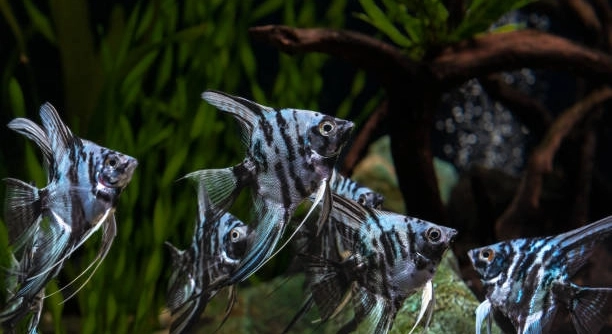
Do your angelfish seem stressed or less active than usual, making you wonder if their tank environment is truly right for them?
The most effective way to make your angelfish more comfortable is by creating a stable and enriched environment. This includes proper water conditions, tank size, hiding spots, and minimizing stress from tankmates, lighting, or sudden changes.
Each step can help your angelfish feel safer and more relaxed, improving both their behavior and overall quality of life.
Step 1: Check the Water Parameters
Your angelfish rely on clean, stable water to thrive. Ammonia, nitrite, and nitrate levels should always be monitored. Keep ammonia and nitrite at 0 ppm, and nitrates below 20 ppm. Maintain a pH between 6.5 and 7.5, and a temperature between 76°F and 82°F. Sudden shifts in these parameters can cause stress and illness. Use a reliable test kit weekly, and make partial water changes as needed. Clean the filter without removing all beneficial bacteria. Stable water encourages active, relaxed behavior, which helps your angelfish feel safe and comfortable in their tank.
Poor water quality is one of the most common reasons angelfish act stressed or hide frequently.
Regular monitoring, water changes, and a consistent maintenance routine keep everything stable. Once water quality improves, you may see your angelfish swimming more confidently and interacting more often. It’s a simple but powerful step in keeping them happy.
Step 2: Provide the Right Tank Size
A 20-gallon tank may seem acceptable, but angelfish do better in a 30-gallon or larger aquarium.
Angelfish need vertical space due to their body shape. A taller tank suits them better than a wide one. In tanks that are too small, they may become territorial, aggressive, or withdrawn. Giving them more room helps reduce tension and allows for smooth swimming. A larger tank also improves water stability, reducing stress from fluctuating conditions. If you keep multiple angelfish, increase the tank size accordingly. Each fish needs space to establish its area and retreat when necessary. Avoid overcrowding and always consider future growth when planning tank capacity. A spacious tank with stable water quality allows them to live in a more natural and relaxed way, leading to better health and behavior. By upgrading their environment, you are setting the foundation for a more comfortable life.
Step 3: Add Hiding Spots and Plants
Angelfish feel safer when they have places to hide. Without cover, they may become anxious or display territorial behavior. Use decorations, driftwood, and tall plants to create shaded areas and natural shelter within the tank.
Live or artificial plants provide security and help break lines of sight, reducing aggression and stress. Tall plants like Amazon swords or vallisneria work well for angelfish. Position them along the back and sides of the tank, leaving open space in the center for swimming. Adding caves or driftwood can offer additional retreat spots without crowding the tank. Make sure decorations don’t have sharp edges that could injure their fins. A mix of open space and covered areas keeps your angelfish calm, improves their behavior, and supports natural activity like pairing and spawning.
A more structured tank environment can make a noticeable difference. It gives your angelfish control over their space, which builds confidence.
Step 4: Reduce Loud Noises and Sudden Movement
Loud noises, tapping on the glass, or sudden room movement can scare angelfish. Keep their tank in a calm location away from speakers, foot traffic, or slamming doors.
Stress builds up quickly when angelfish feel startled often. Placing the tank in a quieter part of your home helps create a more peaceful environment. Try to approach the tank slowly and avoid sudden hand movements when feeding or cleaning. If your angelfish hide or dart away frequently, observe what’s happening around them. Reducing stress triggers can improve both their behavior and health.
Even small changes in their surroundings can have a lasting effect. Once they feel safe, angelfish begin to explore more, eat better, and interact more confidently.
Step 5: Maintain a Consistent Lighting Schedule
Angelfish do best with a steady day and night rhythm. Use a timer to give them 10 to 12 hours of light daily. Inconsistent lighting can lead to stress and confusion in their routine.
Avoid leaving tank lights on overnight. Angelfish need darkness to rest properly. A regular lighting schedule helps them feel more secure and improves their overall health.
Step 6: Choose Peaceful Tank Mates
Angelfish can become stressed if kept with aggressive or overly active fish. Choose tank mates like corydoras, peaceful tetras, or bristlenose plecos. Avoid fin-nippers or fish that crowd their space. Angelfish do well with others that match their calm temperament. When introducing new fish, monitor for signs of aggression or stress. Rearranging decorations slightly before adding tank mates can help reduce territorial behavior. Keep the tank stocked with care, and avoid overcrowding. Balanced group dynamics make a noticeable difference in how relaxed your angelfish behave day to day.
Step 7: Feed a Balanced Diet
A varied diet improves their health and mood. Use high-quality flakes, pellets, and frozen foods like brine shrimp or bloodworms.
FAQ
How can I tell if my angelfish is stressed?
Stressed angelfish may hide more often, show faded colors, or stop eating. They may swim erratically, clamp their fins, or stay in one area of the tank. Increased aggression, rapid gill movement, or unusual shyness are also signs something is wrong. Watching their normal behavior helps you notice changes quickly. Stress is often related to water quality, tank mates, or loud surroundings. Once the issue is fixed, their behavior usually returns to normal. Consistency in care helps reduce the chances of stress becoming a long-term issue.
Do angelfish need to be kept in pairs or groups?
Angelfish can be kept alone, in pairs, or in groups, depending on the tank size. A single angelfish can live comfortably in a properly sized tank with the right setup. Pairs often form naturally, especially during breeding. Groups of four to six are possible in larger tanks, but spacing and decor are important to reduce territorial behavior. In groups, you may notice a natural pecking order. Watch closely for bullying, and separate individuals if needed. Whether alone or in a group, the key is giving each fish enough space and a stable environment.
What should I do if my angelfish are fighting?
Fighting usually happens when the tank is too small, overcrowded, or lacks enough hiding spots. Separate aggressive fish if the behavior continues. Rearranging decorations can help break up territories and reduce conflict. If breeding behavior is involved, the pair may become territorial. Consider using a tank divider or moving them to a breeding tank. Sometimes, aggression also comes from incompatible tank mates. Observe interactions and remove problem fish if necessary. Giving each angelfish room to retreat is often enough to lower aggression and keep the peace.
How often should I clean my angelfish tank?
Do partial water changes of about 25% once a week to keep conditions healthy. Use a gravel vacuum to remove waste and leftover food. Clean filter media monthly, but don’t rinse it with tap water, as this can remove beneficial bacteria. Instead, use tank water during maintenance. Avoid overcleaning, which can disrupt the tank’s balance. Consistent weekly upkeep helps prevent problems before they start. A clean tank supports better behavior, brighter colors, and fewer health issues for your angelfish.
Can angelfish get bored?
Yes, angelfish can get bored in bare or unstimulating tanks. Providing live plants, rocks, and different types of decor helps create a more engaging space. They enjoy swimming through tall plants or exploring shaded corners. A varied layout keeps them curious and active. Feeding a mix of foods also adds mental stimulation. Even small changes like adjusting the decor or alternating feeding routines can keep them more engaged. Boredom may lead to pacing, aggression, or lethargy, so variety in the environment is important.
How warm should the tank be for angelfish?
Keep the tank temperature between 76°F and 82°F (24°C to 28°C). Use a reliable aquarium heater and thermometer to maintain steady heat. Avoid quick fluctuations, as angelfish are sensitive to sudden changes. A stable temperature helps with digestion, immune health, and overall comfort. Warmer temperatures also encourage breeding behaviors in healthy pairs. Make adjustments slowly and monitor fish for any changes in activity or appetite. A consistent temperature is one of the easiest ways to make your angelfish feel safe.
Do angelfish sleep?
Yes, angelfish do sleep, but not like humans. They become still and hover near the bottom or close to plants when resting. Their color may fade slightly during this time. Turn off the tank light at night to help them rest properly. Avoid disturbing the tank during dark hours. A regular day-night cycle supports a healthy sleep routine. Sleep is important for reducing stress and keeping their immune systems strong. Without proper rest, angelfish may become irritable or more prone to illness.
Can I keep angelfish in a community tank?
Yes, but with caution. Choose peaceful tank mates that don’t nip fins or compete for space. Avoid small fish that could be mistaken for food or aggressive species that provoke fighting. Tetras, corydoras, and plecos are often good options. Provide plenty of space and cover to allow all fish to feel secure. Watch for any signs of stress or aggression during feeding or daily activity. A well-planned community tank can work well when the angelfish’s needs are met. Always research compatibility before adding new species.
Final Thoughts
Making your angelfish more comfortable does not require expensive equipment or complicated changes. Simple steps like adjusting water conditions, adding hiding spots, or offering a balanced diet can make a big difference. Watching your angelfish closely and understanding what makes them feel safe helps you respond quickly to any changes. A clean tank, steady water temperature, and limited stress from tank mates all help create a better environment. When your angelfish feels secure, it will show through its behavior, appetite, and vibrant color. These small efforts support both health and comfort over time.
Consistency is one of the most important parts of angelfish care. Stick to regular feeding times, keep the lighting cycle stable, and avoid sudden changes to the tank layout or water quality. If you do need to make changes, try to do them slowly. Angelfish can become unsettled when their surroundings shift too quickly. Regular cleaning, stable temperatures, and watching for signs of stress will help prevent most issues before they become serious. Each fish may have slightly different needs, so take time to notice their habits and preferences.
Every angelfish responds to its environment in a unique way. Some are more social, while others prefer quiet spaces. Creating a space that offers both open swimming areas and private hiding spots helps meet a wider range of needs. The more comfortable they are, the more you’ll see their natural behavior, including peaceful swimming and gentle interaction with tank mates. When you take time to create a stable, peaceful setting, you’ll be rewarded with healthy fish and a calm aquarium that’s enjoyable to maintain. Over time, caring for them becomes part of a simple routine that supports both their comfort and your enjoyment.

Hello,
If you enjoy the content that we create, please consider saying a "Thank You!" by leaving a tip.
Every little bit helps us continue crafting quality advice that supports the health, happiness, and well-being of pets around the world, for pets of all shapes, sizes, and species.
We really appreciate the kindness and support that you show us!