
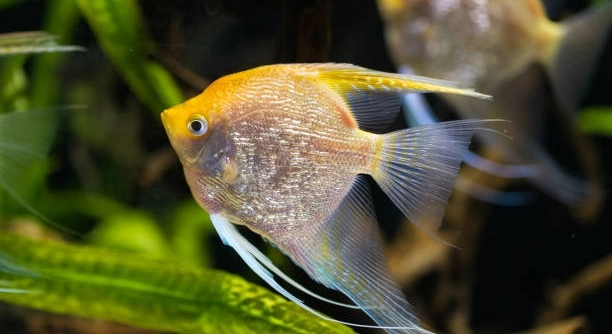
Angelfish are beautiful, vibrant fish that can brighten up any aquarium. However, their health can be easily affected by water temperature. It’s essential to keep the temperature in check to ensure they thrive in their environment.
The temperature of your angelfish tank should be between 75°F and 82°F. Anything higher than this can lead to stress, poor health, or even death. If your tank is too hot, you may notice signs of discomfort, such as erratic swimming.
A few simple adjustments can help regulate the temperature and improve your angelfish’s well-being. Keep reading to learn how to identify if your tank is too hot and how to address it.
Signs of Stress in Your Angelfish
If the temperature in your angelfish tank is too high, you may start to see some troubling signs. Angelfish, like most tropical fish, prefer stable conditions. Sudden changes or sustained high temperatures can cause them to become stressed. You might notice your angelfish swimming erratically or closer to the surface, gasping for air. Stress also weakens their immune system, making them more susceptible to diseases. Additionally, high water temperatures can cause them to stop eating, which can lead to malnutrition.
A temperature that consistently stays over 82°F can cause major problems for angelfish. It’s crucial to monitor the water temperature regularly. If you see these behaviors, it’s a strong indicator that your tank is too hot, and your fish may be struggling.
Being mindful of the environment your angelfish live in is vital for their health. If you notice signs of stress or sickness, adjusting the temperature quickly can help your fish recover. You may need to make some changes, but it’s worth it to protect your angelfish.
Overheating Effects on Water Quality
Hot water doesn’t just impact your fish. It can also reduce the oxygen levels in your tank. As the water heats up, the oxygen in it becomes less dissolved, and this affects both your angelfish and any other inhabitants in the tank.
As the temperature rises, so does the activity of harmful bacteria. These bacteria can cause ammonia spikes, which are toxic to fish. A hot tank can also cause algae blooms, leading to cloudy water and poor visibility. This creates an unhealthy environment, and it can stress your angelfish further. Regular water changes and a functioning filtration system are essential, but even with these, you may notice problems if the tank is too hot.
Maintaining a consistent temperature helps keep the water quality in check. A sudden spike in temperature accelerates the breakdown of organic waste and may throw off the biological balance in your tank. To avoid these issues, aim to keep the water temperature stable within the optimal range of 75°F to 82°F. Investing in a reliable heater and thermometer can go a long way in keeping the water conditions ideal.
Fish Behavior Changes
Angelfish are sensitive to temperature changes. When the tank is too hot, you may notice them swimming near the surface more often, trying to get more oxygen. They may also become less active, spending more time hiding. This is a sign that they are stressed and trying to cope with the heat.
The way your angelfish behave can reveal a lot about the tank’s conditions. If they’re swimming erratically or seem lethargic, high temperatures could be the cause. Overheated water leads to reduced oxygen levels, which makes it harder for fish to breathe. If your angelfish are acting differently than usual, check the water temperature right away.
Changes in behavior are one of the earliest signs that something is wrong. If your angelfish are no longer moving normally or are hanging near the surface of the tank, it could be due to high temperatures. These signs shouldn’t be ignored, as prolonged exposure to heat can lead to serious health issues, even death.
Overheating and Breeding
Angelfish are known for their breeding habits, but high temperatures can interfere with their ability to reproduce. When the water is too warm, it can reduce their interest in mating or even cause them to abandon their eggs. It can also affect the development of the eggs and fry, leading to unsuccessful hatching.
Breeding angelfish in warm water may seem like a good idea since warmth is often linked to encouraging breeding, but excessive heat can cause more harm than good. A stable and moderate temperature range is the best for promoting healthy reproduction. Too much heat can stress the parents and lead to failed breeding attempts. This can be disappointing, especially if you’ve set up the tank specifically to breed your angelfish.
Maintaining the right water temperature is key if you’re trying to breed angelfish. Ideally, the tank should stay between 76°F and 80°F. If the temperature creeps above this range, it could trigger stress responses that prevent successful breeding. Temperature stability is essential for both the health of the fish and the success of the breeding process.
Gasping at the Surface
If the temperature is too high, your angelfish may start gasping at the water’s surface. This happens because warm water holds less oxygen, making it harder for the fish to breathe. They instinctively seek out areas with more oxygen, which is often near the surface.
Fish that are gasping at the surface are struggling to get enough oxygen. If this behavior continues, it may lead to further health issues, including suffocation. It’s crucial to keep the tank’s temperature within the proper range to ensure your fish have enough oxygen to thrive.
Unusual Tank Conditions
A tank that is too hot may also show other signs of stress, such as algae overgrowth or cloudy water. Overheating promotes the rapid growth of algae, which can cloud the water and create an unhealthy environment for your angelfish.
It’s essential to clean your tank regularly and monitor temperature levels to prevent these conditions. If you notice algae bloom or cloudy water, check the temperature first. Reducing the temperature will help stop the algae from multiplying, creating a more stable and healthier tank.
FAQ
What is the ideal temperature for angelfish?
Angelfish thrive in water temperatures between 75°F and 82°F. Temperatures within this range provide the right conditions for their metabolism and general well-being. If the temperature goes higher or lower than this, the fish can become stressed and may show signs of discomfort or illness. It’s important to keep a stable temperature to avoid fluctuating conditions, which can further harm their health.
How do I check the temperature in my tank?
The easiest way to check your tank’s temperature is by using an aquarium thermometer. There are several types, including stick-on thermometers, floating thermometers, and digital thermometers. Whichever you choose, ensure that it’s placed in a position where it can give an accurate reading of the water’s temperature. Make sure to check the temperature daily to stay ahead of any potential issues.
Can a water heater be dangerous for my angelfish?
Yes, an improperly set or malfunctioning heater can be dangerous. If the heater is too powerful, it can cause rapid temperature increases, which could stress or harm your angelfish. Always use a reliable, adjustable heater and monitor the water temperature regularly. A heater with an automatic shutoff feature can help prevent overheating.
How can I lower the water temperature if it’s too high?
If your tank water becomes too hot, try turning off the heater and increasing aeration. You can also place ice cubes in a sealed plastic bag and gently add them to the tank to lower the temperature gradually. Avoid drastic temperature changes, as they can cause further stress. If the temperature remains consistently high, consider using a cooling fan specifically designed for aquariums.
Can overheating cause long-term damage to angelfish?
Yes, prolonged exposure to high temperatures can weaken your angelfish, making them more susceptible to disease and reducing their life expectancy. Overheating can also affect their metabolism and reproductive capabilities. To ensure your angelfish stay healthy in the long term, maintaining a stable and appropriate temperature is crucial.
How can I tell if my angelfish are stressed from the heat?
Stressed angelfish may exhibit signs such as erratic swimming, lethargy, gasping for air, or loss of appetite. They may also begin hiding more often or swim at the water’s surface to seek oxygen. If you notice these behaviors, check the water temperature immediately. Keeping the temperature stable can help prevent further stress.
Should I adjust my tank’s temperature during the night?
Generally, it’s best to keep the temperature consistent day and night. Temperature fluctuations can stress angelfish and disrupt their natural rhythms. Ensure that your heater has a reliable thermostat to maintain a stable temperature, even when the lights go out. Keeping the temperature constant will help your fish adjust better to their environment.
How do I know if my tank is overheating?
Signs that your tank is overheating include fish gasping at the surface, rapid swimming, or lethargy. You may also notice poor water quality, such as an algae bloom or cloudy water, which is often caused by high temperatures. To confirm, check the temperature with a thermometer and take action if it’s above 82°F.
What should I do if I notice my angelfish struggling with heat?
First, check the water temperature. If it’s too high, gradually lower it to a safe range of 75°F to 82°F. Increase aeration to help improve oxygen levels. Monitor your fish closely for any other signs of stress, such as gasping or abnormal behavior, and ensure the tank is cleaned regularly to maintain water quality.
Can I use a fan to cool my tank?
Yes, using a fan is an effective way to cool your tank. Positioning a fan above the water will increase evaporation and help cool the surface. However, be careful not to create strong drafts that could cause temperature fluctuations. Always monitor the tank’s temperature when using a fan to ensure it remains stable.
Final Thoughts
Maintaining the right temperature in your angelfish tank is essential for their health and well-being. These fish are sensitive to changes in water conditions, and even a small rise in temperature can cause them stress. Keeping the water between 75°F and 82°F helps prevent any health issues that may arise from overheating. Regularly checking the temperature with a reliable thermometer is one of the simplest ways to ensure your angelfish are comfortable and thriving.
If you notice any signs of heat stress, such as gasping at the surface, rapid swimming, or loss of appetite, it’s important to act quickly. Lowering the water temperature gradually, improving aeration, and cleaning the tank can all help your fish recover. A stable, cool environment will allow your angelfish to live a long and healthy life. On the other hand, if you continue to experience issues with temperature regulation, you may need to upgrade your heater or cooling system.
By understanding the ideal conditions for your angelfish and making adjustments when necessary, you’ll be able to create a better environment for them. This will not only help prevent heat stress but also ensure they stay healthy and active. Regular monitoring, along with a few preventive steps, will keep your tank in the best condition possible, benefiting both you and your fish in the long run.

Hello,
If you enjoy the content that we create, please consider saying a "Thank You!" by leaving a tip.
Every little bit helps us continue crafting quality advice that supports the health, happiness, and well-being of pets around the world, for pets of all shapes, sizes, and species.
We really appreciate the kindness and support that you show us!