
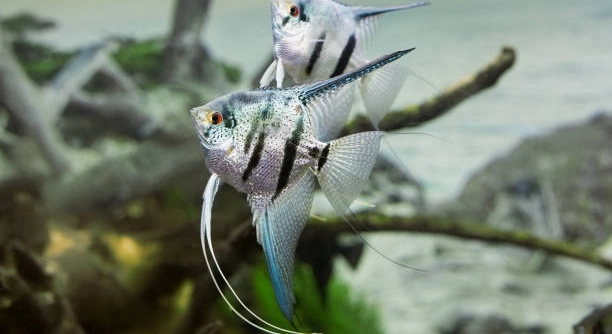
Is your angelfish rubbing up against the tank walls or decorations more than usual, leaving you feeling a little concerned or unsure?
The most common reason angelfish scratch against decorations is due to skin irritation caused by parasites or poor water quality. This behavior, known as “flashing,” is a physical response to discomfort and should be addressed promptly.
Understanding what triggers this behavior can help you protect your angelfish and keep their environment clean, safe, and comfortable.
1. Parasites Are Causing Skin Irritation
Parasites like ich or flukes can irritate your angelfish’s skin, making them scratch against decorations in an effort to find relief. These parasites often enter the tank through new fish or contaminated plants. You might notice white spots, rapid breathing, or clamped fins alongside the scratching. Ich, in particular, is common and spreads quickly, especially in warmer water. It’s important to act fast once you notice these signs. Treating the tank with anti-parasitic medication and slightly raising the temperature can help stop the spread. Quarantining new additions and maintaining a clean tank reduces the risk of another outbreak.
Look for any changes in your angelfish’s behavior, especially if they begin hiding more or avoiding food. These can be early signs of parasite stress.
Keeping your tank healthy involves regular water testing, gentle filtration, and avoiding overcrowding. Even small lapses in cleanliness can make the tank a comfortable place for parasites to grow.
2. Ammonia or Nitrate Levels Are Too High
Poor water quality often causes irritation, making your angelfish scratch themselves against hard surfaces. This happens most when ammonia, nitrites, or nitrates are elevated.
When fish waste, uneaten food, and decaying plants build up, ammonia levels rise. Even a small increase can cause burns to your fish’s gills and skin, making them itchy and stressed. If your tank isn’t cycled properly or goes too long without a water change, the buildup becomes dangerous. Angelfish are particularly sensitive to poor conditions, and their scratching may be a sign that the water needs attention. Regular testing with strips or a liquid kit can help you spot these issues early. If the levels are too high, do a partial water change, clean the substrate gently, and consider adding beneficial bacteria supplements. Make sure your filter is working properly and not clogged. A clean, stable tank is key to keeping your angelfish calm and healthy.
3. Something New Was Added to the Tank
When new decorations, plants, or substrate are added, they may release chemicals or carry bacteria that irritate your angelfish’s skin. This can cause sudden scratching behavior that wasn’t there before.
New objects in the tank, especially those not designed for aquariums, may have residues or sharp surfaces that bother sensitive fish. Some artificial decorations can leach paint or chemicals into the water. Even natural items, like driftwood, might affect water chemistry if not treated properly. If you recently changed anything in the tank and noticed your angelfish acting differently, consider removing the new item and observing any changes in behavior. Rinse or soak new additions before placing them in the tank. Sticking to aquarium-safe products can prevent a lot of stress and scratching. Keeping things simple and checking water parameters after changes can also help catch any problems early.
When adding something new, it’s smart to watch closely for at least a few days. Sometimes, even a harmless object can cause changes in behavior if it shifts the water chemistry or creates a new hiding spot that stirs up aggression. Avoid adding multiple things at once, so you know what’s causing issues if something goes wrong. Slow, careful changes help keep things calm and safe.
4. Poor Tank Maintenance Over Time
Without regular cleaning, leftover food, waste, and algae build up, which makes the tank uncomfortable and irritating for your angelfish. This often leads to scratching and other stress behaviors that are easy to miss at first.
Skipping regular cleanings and water changes slowly makes your tank unhealthy. Uneaten food starts to rot, and fish waste increases ammonia. Algae buildup also throws off the balance. These small things may not seem serious right away, but over time they change the water chemistry. Your angelfish might respond by rubbing against rocks or plants because their skin feels irritated. Stick to a schedule—weekly partial water changes, filter checks, and light gravel vacuuming help a lot. Even if everything looks fine, test your water often. A clean tank isn’t just for looks—it prevents long-term problems that stress your fish. Scratching is often one of the first visible signs that something’s off.
5. They’re Reacting to Stress
Stress can make angelfish act differently, including scratching against tank surfaces. Common stressors include sudden water changes, loud noises, overcrowding, or even bright lighting. A calm and steady environment helps reduce this behavior.
If something has changed in your tank recently, your angelfish might be reacting to it. Even minor shifts in routine can cause discomfort.
6. Mating or Territorial Behavior
Sometimes scratching is not a sign of illness. Angelfish can display odd movements during mating or when claiming territory. This might include rubbing, nudging, or chasing. If the fish appear healthy otherwise and are showing no signs of damage or stress, this behavior may be completely natural. Observe for a while before acting.
7. Sharp or Rough Decorations
Rough or jagged decorations may cause your angelfish to scratch more often. Remove or smooth anything with sharp edges to avoid injury or irritation.
FAQ
How do I know if my angelfish has parasites?
Look for more than just scratching. Signs include white spots on the body or fins, clamped fins, staying near the surface or bottom, rapid breathing, and refusing food. Ich is one of the most common parasites and shows up as small white dots, like salt grains. Flukes are harder to see but cause similar irritation. If your angelfish is acting off and scratching frequently, assume parasites could be involved. Treating early can prevent things from getting worse or spreading to other fish. Using a parasite treatment and checking your water quality should always be your first steps.
Can poor water quality cause permanent damage to angelfish?
Yes, long-term exposure to high ammonia or nitrite levels can harm your angelfish. It can burn their gills, cause infections, or weaken their immune system. Even if they survive, they may never fully recover from the stress. Water quality should be checked regularly with a test kit. Aim to keep ammonia and nitrites at 0 ppm, and nitrates below 20–40 ppm. Frequent small water changes and a working filter go a long way in keeping your angelfish safe. Once you clean the tank and fix the levels, your fish may slowly return to normal behavior.
What kind of decorations are safest for angelfish tanks?
Choose smooth, aquarium-safe items. Avoid anything with sharp edges, peeling paint, or that wasn’t made for aquariums. Natural rocks, driftwood (treated), live plants, and soft artificial plants are good choices. Before adding anything new, rinse it thoroughly in warm water. Some decorations, especially if bought cheaply or second-hand, may leach chemicals or change the water’s pH. If your angelfish begins scratching after a new item is added, consider removing it and watching for improvement.
How can I reduce stress in my angelfish?
Keep the tank calm and stable. Avoid sudden temperature changes, loud sounds, or quick movements near the tank. Use gentle lighting and provide hiding places with plants or decor. Make sure tank mates aren’t bullying your angelfish. Don’t overcrowd—each fish needs space. Try to keep your tank’s routine steady, especially when feeding or cleaning. When things feel consistent and peaceful, angelfish are less likely to act out or scratch due to stress.
How often should I clean the tank to prevent scratching?
Do a partial water change (about 20–30%) every week. Vacuum the gravel lightly and remove any leftover food. Clean the filter as needed—usually once a month, depending on the type. Don’t over-clean or change everything at once; that can upset the tank’s balance. Consistent, gentle maintenance works best. Testing the water weekly can help you spot any small changes before they cause irritation.
Can scratching lead to injuries or infections?
Yes, especially if the fish are rubbing against sharp surfaces or already have irritated skin. Scratching can damage their protective slime coat, making them more vulnerable to bacteria or fungus. If you see red patches, missing scales, or frayed fins, your fish may already be hurt. Treat the water with aquarium salt or a mild antibacterial if needed, and remove anything sharp right away.
Do angelfish sometimes scratch for no serious reason?
Occasional scratching isn’t always a problem. Fish might rub once or twice against a plant just to clean themselves or explore their surroundings. But if it happens often or comes with other signs like hiding, not eating, or clamped fins, it’s worth checking for an issue. Watching closely helps you spot the difference.
Can I treat my angelfish without using harsh chemicals?
Yes, but only for mild cases. Aquarium salt can help reduce irritation and kill some parasites. Improving water quality alone can solve many problems. Garlic-soaked food is sometimes used to boost immunity, though it’s not a cure. If symptoms are serious or don’t improve, stronger treatments may be needed. Use medication made for fish and follow the directions carefully. Quarantining the sick fish before treatment is also a good idea.
Final Thoughts
Scratching behavior in angelfish is usually a sign that something in the tank is bothering them. It could be parasites, poor water quality, or stress from changes in their environment. Sometimes it’s due to rough decorations or even natural behavior during mating or territorial disputes. Watching your angelfish closely and noticing patterns in their behavior is important. If the scratching happens once in a while and they seem fine otherwise, it may not be serious. But if it happens often or comes with other signs like clamped fins, spots, or loss of appetite, it’s worth looking into further.
Taking care of your tank regularly is one of the best ways to keep your angelfish healthy. That includes weekly water changes, cleaning up leftover food, and testing the water for ammonia, nitrites, and nitrates. Avoid adding too many new things at once, and always rinse decorations before placing them in the tank. Try to keep things calm and steady inside and around the aquarium. Loud sounds, bright lights, or sudden water changes can all make your fish feel stressed. If you suspect parasites or infections, treating the tank right away can stop things from getting worse. Early action can prevent long-term harm and save you from bigger problems later on.
In the end, angelfish are sensitive creatures that respond to changes in their surroundings. Scratching may seem like a small action, but it’s often their way of letting you know something is wrong. Learning what’s normal and what’s not takes time and observation. A peaceful, clean tank with the right water conditions will help reduce most of the common causes of irritation. By staying on top of tank care and knowing what to watch for, you can create a space where your angelfish stay happy, active, and itch-free.

Hello,
If you enjoy the content that we create, please consider saying a "Thank You!" by leaving a tip.
Every little bit helps us continue crafting quality advice that supports the health, happiness, and well-being of pets around the world, for pets of all shapes, sizes, and species.
We really appreciate the kindness and support that you show us!