
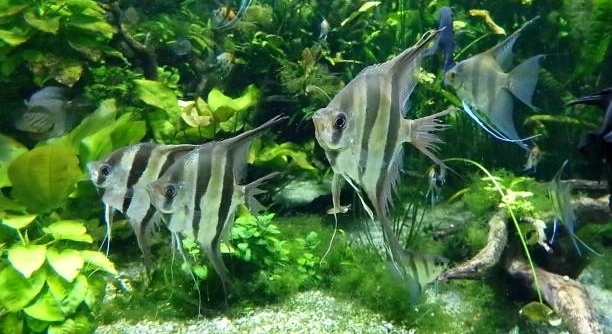
Angelfish are beautiful and popular aquarium fish that are known for their elegant fins and graceful movements. As fish owners, you may wonder if they require specific hiding spots to feel safe and comfortable in their environment.
Angelfish do benefit from having hiding spots, as it provides them with a sense of security and reduces stress. These areas allow them to retreat when feeling threatened, especially in environments with other fish or disturbances.
Providing these hiding spots can improve your angelfish’s well-being and enhance their overall behavior. There are several key reasons why these spaces are so important for their happiness and health.
Angelfish Can Be Shy and Need Safe Spaces
Angelfish are naturally shy creatures, and in a tank with other fish, they might feel the need to hide. They don’t always enjoy being around active or aggressive tankmates, especially if those fish are much larger. If they are constantly exposed to other fish or too much movement, stress levels can increase, making them more likely to hide. In the wild, angelfish would have plenty of hiding spots to retreat to when feeling unsafe. Without this, they can become skittish or less active, which can affect their overall health.
It’s important to create a balanced environment for your angelfish, where they feel protected but also not isolated. Having hiding spots gives them that necessary balance between safety and freedom. When they can escape to these areas, they feel more confident and comfortable. This sense of security encourages them to swim around and interact more.
Some simple options like plants, rocks, or decorations can help them feel more at ease. It’s about making them feel secure enough to swim freely without constantly worrying about being disturbed. They need a chance to retreat, especially during stressful moments, such as tank cleanings or water changes. Providing these spots ensures that their behavior remains calm and peaceful.
Helps Reduce Stress and Anxiety
Angelfish can easily become stressed in a busy aquarium. Hiding spots offer a refuge, helping them feel less anxious. When there’s no place to retreat, their stress levels rise, affecting their overall health. Providing them with these spaces helps them relax, promoting better behavior.
When angelfish are stressed, they may show signs like hiding for long periods, aggression, or even sickness. Stress lowers their immune system, making them more vulnerable to diseases. By adding simple hiding spots, they can escape stressful situations and calm down. These places allow them to find peace without feeling constantly exposed to the activity around them.
A peaceful angelfish is a healthy angelfish. If their tankmates are overly active or territorial, having hiding spots is vital for their mental and physical well-being. The more secure they feel, the less likely they are to exhibit aggressive behaviors or experience health issues related to stress.
Supports Natural Behavior
Hiding spots mimic the natural environment of angelfish, where they have access to various areas for shelter. These areas encourage them to display more natural behavior, like exploring and foraging. Without these spots, they may not feel inclined to engage in these activities.
In the wild, angelfish use plants, rocks, and other structures for protection and exploration. They also rely on these elements for hunting food or escaping predators. By providing similar hiding spots in an aquarium, you’re helping them express their instincts. Without these areas, their natural behaviors may be stifled, making them more sedentary.
By supporting these instincts, you allow your angelfish to thrive in a setting that feels more familiar. They can retreat, explore, or simply feel comfortable and secure, which results in a healthier fish. The more natural their environment, the more active and content they will become.
Provides Territory and Personal Space
Angelfish need personal space to feel secure. In a tank with other fish, having hiding spots allows them to claim their territory. These areas give them a sense of control, reducing the chance of aggression or territorial disputes. A well-placed hiding spot helps them feel more comfortable.
Without hiding spots, angelfish may become stressed by competing for space or avoiding aggressive fish. They might spend more time hiding, which could affect their overall health. By providing safe zones, you allow them to establish boundaries, resulting in a more peaceful aquarium environment for all fish.
Enhances Breeding Conditions
Hiding spots are also important for angelfish when they breed. Female angelfish often seek quiet and secluded areas to lay eggs, and the male will guard them. Providing these spaces gives both fish the privacy they need for successful breeding. The right conditions encourage natural reproductive behavior.
If there are no hiding places, they may avoid breeding altogether. The stress from an open, busy environment can prevent them from feeling secure enough to spawn. By offering them a secluded area, you improve the chances of them feeling comfortable enough to lay and fertilize eggs.
Protects Young Angelfish
Young angelfish are vulnerable and need hiding spots to avoid potential predators, including adult tankmates. Without these hiding areas, the fry may be exposed to harm. Ensuring they have spaces to hide helps ensure their survival until they grow large enough to fend for themselves.
FAQ
Do angelfish need hiding spots in a tank with other fish?
Yes, angelfish do need hiding spots, especially when kept with other fish. They are shy and can become stressed if there are no areas where they can retreat. Hiding spots help them feel secure and reduce the chances of aggressive behavior. When they can hide, they are less likely to feel threatened or anxious, which promotes healthier and more natural behavior. In a tank with more active fish, these spots are essential for their well-being.
Can angelfish survive without hiding spots?
While angelfish can technically survive without hiding spots, it can negatively impact their health and behavior. Without hiding places, angelfish might experience higher stress levels. Over time, stress can weaken their immune system and cause behavioral problems. It’s best to offer them a few hiding areas to ensure they have a chance to relax and regain their energy.
How can I create hiding spots for angelfish in my aquarium?
Creating hiding spots for angelfish is easy. You can use natural materials like plants, rocks, driftwood, or aquarium decorations. Live plants work well because they not only provide hiding spaces but also improve water quality. Tall plants or decorations with gaps give angelfish the ability to swim in and out of hiding spots. You don’t need anything complicated—just a few strategic placements around the tank to create areas where they can feel secure.
Do angelfish prefer certain types of hiding spots?
Angelfish generally prefer hiding spots that mimic their natural environment, like dense plants or caves. They often choose places where they feel surrounded by protection but still have an open space to swim. A mix of tall plants and caves is ideal. Angelfish also like spaces where they can hide but still have a clear view of their surroundings. They can watch for any potential threats while having the option to retreat quickly.
Can too many hiding spots stress angelfish?
Too many hiding spots could cause angelfish to feel isolated or overwhelmed, especially if the tank feels cramped. The key is balance. There should be enough places to hide, but not so many that the fish become territorial or overly withdrawn. You want to encourage healthy behavior, where the fish feel secure but are also able to socialize and explore. A well-designed tank with a mix of open spaces and hiding spots works best.
Do angelfish hide all the time?
Angelfish do not hide all the time, but they will seek out hiding spots when they feel stressed or threatened. If the tank environment is calm and peaceful, they will likely spend most of their time swimming and exploring. They tend to hide more during water changes, when they feel disturbed, or when there is an issue with tankmates. Providing hiding spots helps them feel safe when they need to rest or avoid stress.
Can I use artificial decorations for hiding spots?
Yes, artificial decorations can work well for hiding spots. Many aquarium stores sell cave-like structures, fake plants, and other decorations designed to provide fish with secure hiding spots. Make sure the materials are aquarium-safe to avoid harming your fish. Artificial decorations are an easy way to add hiding spots, but live plants are often better because they also improve water quality.
How do hiding spots affect angelfish behavior?
Hiding spots have a significant effect on angelfish behavior. When they feel secure, they are more likely to swim freely, explore the tank, and interact with their environment. Without hiding places, they may spend more time hiding in one spot, becoming stressed or less active. Giving them places to retreat improves their overall activity levels and encourages more natural behaviors like foraging and swimming.
Can hiding spots prevent aggression between angelfish?
Yes, hiding spots can help reduce aggression, especially between male angelfish or angelfish that are placed together in the same tank. Angelfish are territorial by nature, and providing hiding spots allows them to establish their own space. This reduces direct confrontations and gives the fish a chance to retreat if they feel threatened. If you’re keeping multiple angelfish in a tank, be sure to provide plenty of hiding spots to prevent territorial disputes.
How often should I change the hiding spots in my aquarium?
You don’t need to change hiding spots frequently, but occasional rearranging can stimulate your angelfish’s environment and help reduce any territorial behavior. Angelfish may become accustomed to the layout, and changing things up can encourage them to explore more. However, it’s essential not to disturb the tank too much, as it can cause stress. A balance of consistency and mild changes is key.
Final Thoughts
Angelfish thrive in environments where they feel secure and comfortable, and hiding spots play a crucial role in creating that sense of security. Whether they’re alone in the tank or with other fish, providing these spaces helps them reduce stress and express more natural behaviors. They are shy creatures, and having a place to retreat when they feel threatened or overwhelmed can make a big difference in their overall well-being. Simple additions like plants, rocks, or caves can go a long way in making them feel more at ease.
While angelfish don’t need hiding spots all the time, having them available when necessary is important for their health. A tank that feels too exposed or too busy can cause them stress, which over time, can lead to health issues. Angelfish may become skittish or withdrawn without hiding spots, and this can affect their behavior and even their immune system. By providing spaces where they can feel safe, you’re allowing them to experience more natural behaviors like exploring and interacting with their tankmates.
Overall, hiding spots are a simple but essential part of caring for angelfish. They not only provide the fish with a sense of security but also help reduce aggression and support breeding and parenting behaviors. A balanced aquarium setup with plenty of hiding areas promotes happier, healthier angelfish. It’s easy to set up and maintain, and the benefits for both the fish and the aquarium owner are clear. With a few simple adjustments, you can create a better environment for your angelfish to thrive in.

Hello,
If you enjoy the content that we create, please consider saying a "Thank You!" by leaving a tip.
Every little bit helps us continue crafting quality advice that supports the health, happiness, and well-being of pets around the world, for pets of all shapes, sizes, and species.
We really appreciate the kindness and support that you show us!