
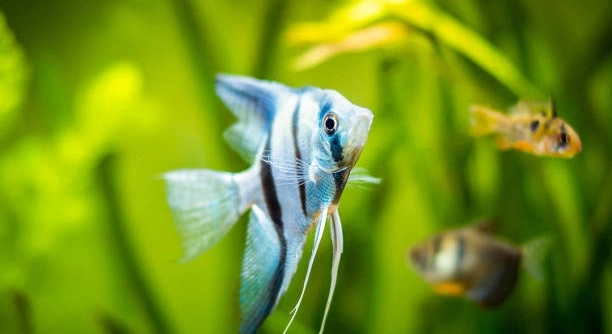
Is your angelfish tank giving you trouble with unstable temperatures, making it hard to keep things consistent for your fish? Temperature swings in aquariums can lead to stress and health problems for these sensitive creatures.
The main reason your angelfish tank’s temperature is fluctuating is due to external room conditions, faulty equipment, or placement near windows and vents. These factors affect how heat is retained or lost within the tank environment.
From checking your heater’s reliability to understanding how sunlight impacts water temperature, we’ll walk through the key causes and what you can do to fix them.
Your Room’s Temperature Keeps Changing
If the temperature in the room where your tank sits goes up and down often, your aquarium will reflect that. Tanks don’t stay warm or cool on their own—they respond to the air around them. If you have the tank near a drafty window, a heater vent, or even under a fan, the water can heat up or cool down quickly. Small tanks are more sensitive to this, since there’s less water to hold steady warmth. Even something like opening a window for fresh air can create a noticeable shift. Your angelfish may not show stress right away, but frequent changes in water temperature can cause health problems over time. A digital thermometer will help you track these changes.
Keeping the tank in a room with steady temperature can help prevent sudden shifts. Avoid placing it in direct sunlight or next to a heat source.
Use a reliable room thermometer to monitor changes. If your space runs hot or cold depending on the time of day, think about moving the tank to a more consistent area. For example, a living room away from windows and doors can provide better stability. You can also try using blackout curtains or covering vents near the tank. These simple steps help create a more stable environment for your angelfish.
Your Heater Isn’t Working Properly
Some heaters can become less effective over time or fail without warning.
An aquarium heater is supposed to regulate temperature and keep it within a safe range. But sometimes, a heater may not maintain the setting you chose. It can turn on and off at the wrong times or stop working completely. When this happens, the water temperature can swing up and down, especially in colder months. Even newer heaters can fail due to manufacturing issues. That’s why it’s important to use a reliable heater brand and check its performance regularly. A faulty heater might show the correct setting but still not warm the water enough. The best way to know if it’s working is to use a separate, accurate thermometer. You should also make sure the heater is the right size for your tank. A heater that’s too small will struggle to keep a larger tank warm, especially during winter. Always plug your heater into a surge protector for added safety.
The Tank Is Too Close to Windows or Vents
Placing your tank near a window or air vent can cause constant temperature swings. Sunlight can quickly heat the water, while cold drafts or air conditioning can cool it down just as fast. These changes can stress your angelfish and make them more vulnerable to illness.
Even filtered sunlight coming through a window can slowly increase water temperature throughout the day. If the tank sits near a vent, warm or cold air blowing directly at it will push the temperature up or down. These shifts might not seem dramatic, but even a few degrees can impact angelfish over time. It’s easy to miss these changes unless you check the temperature often. Avoid placing your tank in areas where light or airflow is inconsistent. Use blackout curtains if you can’t move the tank. Blocking the source of heat or cold helps maintain a steady, safer temperature for your fish.
Heater and filter placement also matters when your tank is near a window or vent. If warm or cool air is reaching only one side of the tank, the temperature may not be even across the water. Angelfish might stay in one spot to avoid discomfort, which is a sign something is off. Use a thermometer on both ends of the tank to make sure the heat is distributed properly. If one side is cooler, try redirecting the vent or shifting the tank away from the light. Small changes in setup can make a big difference in how well your tank holds temperature.
The Thermometer Is Giving You Wrong Readings
A thermometer that shows incorrect readings can lead you to make unnecessary adjustments. This makes it seem like the temperature is changing when it’s not. Inaccurate devices can create confusion and cause more harm than good if you rely on them.
Stick-on strip thermometers are popular, but they aren’t always accurate. They measure the glass temperature, not the actual water. That’s why digital thermometers with a probe are often better—they give a more precise reading of what’s really going on inside the tank. If your thermometer is old or shows strange numbers, it’s a good idea to test it against another one. Using two thermometers at once, in different spots, can give you a clearer picture. Always check the manufacturer instructions and replace devices that seem unreliable. Trusting a faulty thermometer may lead to over-adjusting your heater, which causes unnecessary swings in water temperature and adds stress to your angelfish.
The Tank Is Too Small
Small tanks lose heat faster and warm up quicker than larger ones. Because there’s less water, it doesn’t take much for the temperature to change. Even a short power outage or open window nearby can cause a noticeable drop or spike in the tank’s warmth.
These quick changes are stressful for angelfish. They prefer stable conditions and can become sick if the temperature keeps shifting. If your tank is under 10 gallons, it’s especially important to monitor it closely. A larger tank will hold heat more steadily and give you more time to respond if something goes wrong.
Water Changes Are Too Cold or Too Hot
Changing your angelfish tank’s water with liquid that is too cold or too warm causes sudden temperature drops or spikes. Even if the new water is clean, the shock of a different temperature can cause stress. Always match the new water’s temperature as closely as possible to the tank. Use a separate thermometer to check before pouring it in. Letting the water sit in the room for a while can help bring it closer to the right temperature. It’s also better to do smaller, more frequent water changes rather than large ones that shift the water balance all at once.
Your Tank Is Near Electronics
Electronics like lamps, gaming consoles, or computers give off heat and can affect the tank if placed nearby. This added warmth may cause slight but consistent increases in temperature without you noticing. Keep the tank clear of devices that give off heat throughout the day.
FAQ
How can I prevent temperature fluctuations in my angelfish tank?
The easiest way to prevent temperature fluctuations is to stabilize the environment around your tank. Make sure it’s in a room with consistent air temperature and away from windows, vents, or direct sunlight. Invest in a quality aquarium heater that can maintain a stable temperature. It’s also helpful to check the water regularly with a reliable thermometer. Try to avoid making drastic changes in water temperature during water changes or cleaning.
What temperature is best for angelfish?
Angelfish thrive in water that stays between 76°F and 80°F (24°C to 27°C). Temperatures outside of this range, especially below 72°F (22°C), can cause stress and lead to health issues. Keeping your aquarium within this range will help maintain your angelfish’s overall health and well-being.
Can I use a regular room heater to warm my fish tank?
Using a regular room heater isn’t ideal for your fish tank. Room heaters only affect the air temperature and won’t provide consistent warmth to the water, which could lead to sudden changes. You should use an aquarium-specific heater designed to maintain water temperature steadily and safely.
How often should I check my tank’s temperature?
Check your tank’s temperature at least once a day, preferably at different times throughout the day. Temperature changes can happen during the day and night, especially if the tank is near a window or vent. It’s better to be proactive than to wait for signs of stress in your fish.
Can a sudden temperature change kill my angelfish?
Yes, sudden temperature changes can shock your angelfish, leading to serious health issues like stress or even death. These fish are sensitive to fluctuations, so it’s important to avoid making rapid changes to the water temperature. Always make gradual adjustments, and never increase or decrease the temperature too quickly.
How can I stabilize the temperature in my tank during winter?
During colder months, the temperature inside your home can drop, affecting your tank’s environment. To stabilize the temperature, consider using a higher wattage aquarium heater or placing the tank away from drafty areas. Insulating the tank with a tank cover or foam board around the sides can help retain heat.
Is it okay to keep my angelfish tank near a window?
Keeping your angelfish tank near a window isn’t recommended. Sunlight can cause water temperatures to rise during the day, and at night, cooler temperatures can cause a drop. These fluctuations are hard to control and can stress your fish. It’s best to move the tank to a spot where there is no direct sunlight or drafts.
What should I do if my tank temperature is too high?
If your tank’s temperature is too high, first check the heater and thermostat to make sure they’re working properly. If it’s still too warm, try adding a fan to blow air across the water’s surface, or use ice packs wrapped in a cloth to slowly cool it down. Avoid drastic temperature drops, as these can be just as harmful.
How can I ensure my heater is working properly?
To make sure your aquarium heater is working properly, check the temperature with a reliable thermometer regularly. If your heater doesn’t seem to maintain the set temperature, it may need to be replaced. It’s also important to clean the heater regularly to avoid mineral buildup, which can affect its performance.
Why is my aquarium temperature fluctuating even though my heater is on?
If your aquarium temperature is fluctuating despite your heater being on, the issue could be a malfunctioning heater or an undersized one for your tank. Other possible causes include poor placement of the heater, like near a filter or in a cold draft. Double-check that the heater is properly submerged and working as intended.
Can I use a thermostat to control my tank’s temperature?
Yes, using a thermostat designed for aquariums is a great way to control and stabilize your tank’s temperature. Some heaters come with built-in thermostats, while others may require an external controller. This helps you avoid overheating or underheating your tank, ensuring the environment stays safe for your fish.
What should I do if my thermometer is showing inaccurate readings?
If your thermometer is showing inaccurate readings, first test it against another reliable thermometer to confirm the issue. If it’s faulty, replace it with a more accurate one. Stick-on strip thermometers can be misleading because they only measure the glass temperature, not the water. A digital thermometer with a probe will give you a much better reading.
Are there any signs that my angelfish are stressed due to temperature changes?
Angelfish may show signs of stress due to temperature fluctuations, such as rapid swimming, staying near the surface, loss of appetite, or a decrease in overall activity. They may also show faded colors or erratic behavior. If you notice any of these signs, it’s important to check the temperature and make necessary adjustments.
Can I use multiple heaters for larger tanks?
Yes, for larger tanks, using multiple heaters can help maintain an even temperature throughout the aquarium. This is especially useful if your tank is very large or if it has cold spots. Make sure to place the heaters at opposite ends of the tank to ensure even heat distribution.
Should I unplug my heater if the temperature gets too high?
It’s generally better to adjust the temperature gradually instead of unplugging the heater completely, as sudden changes can stress your angelfish. If the water is too hot, try turning the heater down, or use a fan to help cool the tank slowly. Always monitor the temperature closely when making adjustments.
What should I do if my heater is overheating my tank?
If your heater is overheating the tank, check the heater setting to ensure it’s not too high. You might need to unplug it and allow the tank to cool down. If it continues to overheat, consider replacing the heater with a more reliable model or one that’s better suited to your tank’s size.
Final Thoughts
Maintaining a stable temperature in your angelfish tank is essential for their health and well-being. Angelfish are sensitive to temperature changes, and even small fluctuations can lead to stress, illness, or even death. It’s important to check the water temperature regularly and make adjustments as needed. By using reliable equipment like a high-quality heater and thermometer, you can ensure that your fish are living in a stable environment. Avoid placing the tank in areas with drafts, direct sunlight, or near electronics that may affect the temperature.
Sometimes, the issues with fluctuating temperatures may not be immediately obvious. It could be a small detail like the placement of the tank or a faulty heater that’s causing the problem. Checking your tank’s setup regularly and making sure everything is functioning as it should will help prevent these issues. If you notice signs of stress in your angelfish, like erratic swimming or loss of appetite, it’s a good idea to check the temperature and adjust it if necessary. Stress from temperature fluctuations can also make angelfish more prone to diseases, so keeping the environment stable will help them stay healthy.
Remember, it’s not just about maintaining the right temperature—it’s about consistency. Sudden temperature changes, even if they are small, can confuse or harm your fish. Keeping your angelfish tank in a space with stable air temperature, using proper equipment, and performing regular checks will go a long way in keeping your tank healthy. By understanding the factors that affect your tank’s temperature, you can make informed decisions and ensure your angelfish are in the best possible environment for a long and healthy life.

Hello,
If you enjoy the content that we create, please consider saying a "Thank You!" by leaving a tip.
Every little bit helps us continue crafting quality advice that supports the health, happiness, and well-being of pets around the world, for pets of all shapes, sizes, and species.
We really appreciate the kindness and support that you show us!