
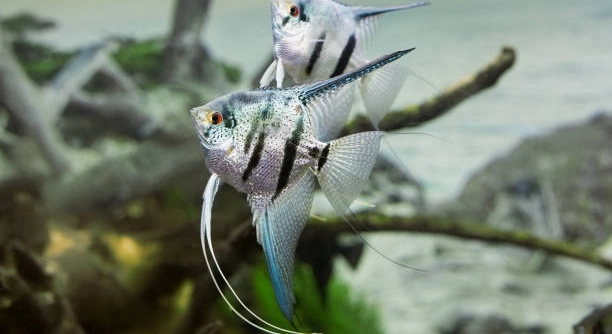
Is your angelfish moving around the tank in an odd or restless way that doesn’t seem normal for its usual behavior?
Erratic swimming in angelfish is often caused by stress, illness, poor water quality, or sudden environmental changes. Checking tank conditions and observing behavior closely can help identify the root cause and guide appropriate treatment.
There are several important factors to consider before making any changes, and understanding them can help your fish return to a calm and healthy state.
Poor Water Quality
Angelfish are sensitive to water changes, and even small shifts in water quality can affect how they swim. Ammonia, nitrite, and nitrate levels must be closely monitored, as high amounts of these can irritate the fish’s gills or nervous system. Erratic swimming often begins when these levels rise too high or fluctuate too fast. It’s also important to keep pH levels stable and ensure the water temperature stays within the ideal range of 76–82°F. If a filter isn’t functioning properly or if routine cleaning is skipped, harmful substances can build up quickly. This can cause stress and strange movements. Always condition tap water before adding it to the tank, and never make drastic changes too quickly. Sudden improvements might seem helpful but can shock the fish even more. Regular testing and water changes are the most effective ways to maintain balance and avoid stress-related behavior like erratic swimming.
Testing water once a week helps catch issues early. Keep a simple log of your readings to notice patterns over time.
If you notice your angelfish acting oddly, the first thing to check is the water quality. Test for ammonia, nitrites, and nitrates, and confirm the filter is running smoothly. Fixing the environment is often enough to restore calm swimming behavior.
Temperature Swings
Sudden temperature drops or spikes can cause stress in angelfish, leading to erratic swimming and confusion.
Angelfish need stable, warm water to thrive. If the temperature changes too quickly, it can shock their system. This often happens when heaters break, lights overheat the tank, or new water is added at the wrong temperature. Even a few degrees off can make a big difference. When the temperature falls below 76°F or rises above 82°F, your fish may dart around or seem disoriented. To avoid this, always use a reliable aquarium heater with a built-in thermostat. Place a thermometer in a spot where it’s easy to read and check it daily. Also, make sure to match the temperature of new water during water changes. Gradual shifts are okay, but anything sudden can throw your angelfish off balance. Maintaining a steady temperature is one of the easiest ways to support their overall health and help prevent erratic behavior.
Aggression from Tank Mates
Aggressive tank mates can cause angelfish to dart, hide, or swim in odd patterns. Stress from bullying may lead to long-term behavioral changes and even health problems if not handled quickly. Watch for chasing, nipping, or signs of injury on your angelfish’s fins or body.
Angelfish do best with peaceful species that don’t compete for space. If other fish are nipping at their fins or blocking access to food, the stress can cause unpredictable swimming. Aggression is more common in overcrowded tanks or when there’s a mismatch in species temperament. Signs of bullying include rapid swimming, hiding behind decorations, and sudden jerky movements. Rearranging the tank or adding more plants and hiding spots can sometimes help. In more serious cases, removing the aggressive fish or separating the angelfish may be necessary to prevent long-term harm. Always research compatibility before introducing new fish to an existing tank.
Make sure the tank is not overstocked, as crowded spaces lead to territorial behavior. A tank that is too small increases the chance of fights, especially if there are limited hiding areas. Choose tank mates like corydoras, tetras, or peaceful gouramis. Monitor new additions closely during the first few days. If aggression shows up early, it usually doesn’t go away on its own. Remove the aggressive fish if things don’t calm down after a few days.
Disease or Parasites
Illness can affect how an angelfish moves. Internal parasites, swim bladder problems, or infections can cause sudden changes in swimming patterns. Look for other signs like loss of appetite, faded color, or rapid breathing.
Swim bladder issues are a common cause of erratic movement in angelfish. This small organ helps the fish control its buoyancy, and when it’s inflamed or infected, it affects how the fish floats or swims. Parasites, such as internal worms or gill flukes, may also disturb swimming and breathing. Bacterial or fungal infections can trigger inflammation in the body, leading to odd motion. When symptoms appear, isolate the fish in a separate tank and treat it based on visible signs or vet advice. Medicated food or water treatments can help, but only when used properly. Keeping the tank clean and not overfeeding are key ways to prevent illness in the first place.
Reflections or Glass Surfing
Sometimes angelfish react to their own reflection, especially in brightly lit or bare tanks. They may try to chase or confront what they see, causing sudden or erratic swimming along the glass. This is known as glass surfing.
Reducing light reflections can help calm the fish. Try adjusting lighting, adding a background to the tank, or placing plants near the glass to break up reflections.
Chemical Exposure
Chemical exposure can cause distress quickly. Even small amounts of cleaning products, air fresheners, or metal from decorations can harm your angelfish. Always wash your hands before reaching into the tank, and avoid spraying anything near the aquarium. Use only aquarium-safe tools and decorations at all times.
Strong Water Flow
If the current in the tank is too strong, your angelfish may struggle to swim normally. Slow-moving water is better suited for their natural behavior and comfort.
FAQ
Why is my angelfish swimming upside down or sideways?
This often points to a swim bladder issue. The swim bladder helps fish control their balance in the water. When it’s affected by infection, injury, or overfeeding, your angelfish may float awkwardly or even struggle to stay upright. Avoid feeding for 24–48 hours and then offer a peeled, cooked pea, which can help clear minor blockages. If the issue continues, isolation and treatment with an antibacterial or swim bladder-specific medication might be needed. Make sure water conditions are stable to support recovery.
Can overfeeding cause erratic swimming in angelfish?
Yes, overfeeding is a common cause of digestive problems that can affect swimming. When an angelfish eats too much, especially dry flakes or pellets that expand in the stomach, it can press on the swim bladder and cause buoyancy issues. Feed small amounts twice a day, and skip a feeding once a week to allow the digestive system to reset. Uneaten food can also rot and affect water quality, which adds to stress and erratic behavior. Clean up extra food quickly after feeding.
How can I tell if the behavior is due to stress or illness?
Stress-related erratic swimming usually comes with other changes like hiding, loss of color, or darting when approached. Illness often includes more physical signs—clamped fins, spots, bloating, or labored breathing. Stress might improve with environmental changes, like reducing tank noise, dimming lights, or rearranging decorations. Illness typically needs more direct treatment like medication or isolation. Watch the fish closely for patterns over several days. Writing down what you see can help spot changes and track improvements.
What is the best tank size to reduce erratic swimming in angelfish?
A single angelfish needs at least a 20-gallon tank, but a pair or group should have 30 gallons or more. A cramped tank increases stress and encourages aggressive behavior. Angelfish also need vertical space due to their tall bodies. A taller tank with soft filtration and plenty of plants helps them feel secure. A bigger tank also means more stable water conditions, which reduces the chances of sudden behavior changes.
Do water changes help stop erratic swimming?
Yes, but only when done correctly. Large, sudden water changes can shock the system, especially if the new water differs in temperature or pH. Instead, change about 25% of the water weekly. Always treat tap water with a dechlorinator and match the temperature to the tank. Gentle, regular changes help remove waste and keep water parameters steady. This routine supports a calm, healthy environment for your angelfish.
Can lighting affect my angelfish’s swimming behavior?
Yes, lighting that’s too bright or inconsistent can make angelfish nervous. Sudden changes, such as switching lights on and off quickly, can startle them and cause frantic swimming. Use a timer to create a steady light cycle—about 10–12 hours of light per day is enough. Soft, indirect lighting or floating plants can help diffuse brightness and create a sense of safety. A consistent routine also helps the fish adjust better to their surroundings.
Is it normal for angelfish to swim fast sometimes?
Quick bursts of movement are normal during feeding or playful moments. But if the fish is darting around the tank often, bumping into things, or crashing into the glass, that may signal stress or discomfort. Check for loud noises nearby, strong current, or aggressive tank mates. A calm environment should bring more relaxed, graceful swimming. If the behavior continues without clear cause, consider checking water quality and watching for illness signs.
Final Thoughts
Erratic swimming in angelfish can be concerning, but it’s often a sign that something in their environment or health needs attention. Angelfish are sensitive creatures and respond quickly to changes in water quality, temperature, and tank conditions. Simple things like a sudden drop in temperature, strong water flow, or exposure to chemicals can lead to strange movements. At the same time, health problems like swim bladder disorders or infections may also affect how they swim. Watching your angelfish closely and acting quickly can often prevent minor issues from becoming more serious. Most of the time, correcting the environment is enough to see improvement.
Keeping a clean, stable tank is one of the best ways to support your angelfish’s health. Regular water testing, proper feeding routines, and choosing peaceful tank mates can go a long way. Make sure to avoid sudden changes, whether that’s in temperature, lighting, or water chemistry. Adding plants, hiding spots, and keeping noise to a minimum can also help reduce stress. When you do add new fish or make changes to the tank, take your time and watch how your angelfish reacts. The more comfortable they feel, the less likely they are to swim erratically or show signs of stress. Consistency and patience are key when caring for any fish.
It’s also important to remember that every angelfish is different. Some may react strongly to small changes, while others stay calm in the same situation. This is why it helps to observe your fish often and learn what’s normal for them. If erratic swimming continues and you’ve already checked common causes like water quality, temperature, and aggression, then it may be time to look deeper. Quarantining the fish and treating for possible illness or parasites can help. When in doubt, reaching out to a vet who specializes in fish or a knowledgeable aquarium store can give you more guidance. By staying attentive and making small, thoughtful changes, you can help your angelfish stay healthy and relaxed in their tank.

Hello,
If you enjoy the content that we create, please consider saying a "Thank You!" by leaving a tip.
Every little bit helps us continue crafting quality advice that supports the health, happiness, and well-being of pets around the world, for pets of all shapes, sizes, and species.
We really appreciate the kindness and support that you show us!