
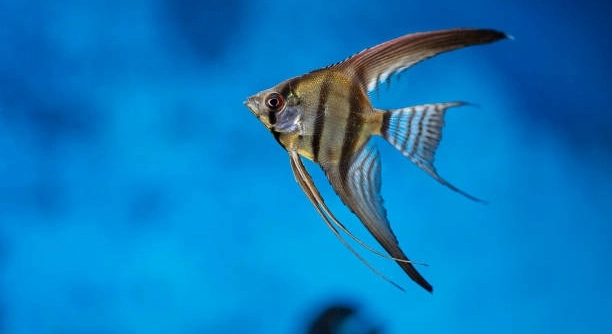
Angelfish are popular aquarium fish known for their beauty and peaceful nature. However, when it comes to keeping them in a 10-gallon tank, it’s important to consider several factors that can affect their health and happiness.
Angelfish generally require a minimum tank size of 20 gallons for proper care. Although a 10-gallon tank might house them temporarily, it is not ideal for their growth or long-term health. A larger tank ensures sufficient swimming space and water quality.
With the right adjustments, a 10-gallon tank can still support a healthy environment for angelfish. Understanding these key factors will ensure their well-being and help you create a thriving aquatic home.
Tank Size Matters
When keeping angelfish in a 10-gallon tank, size really matters. A 10-gallon tank offers limited space, which can hinder the angelfish’s ability to swim and grow properly. These fish can grow quite large, often reaching up to 6 inches in length. Without sufficient space, they may become stressed, leading to health issues like poor immune function or aggression.
While it’s possible to house an angelfish in a 10-gallon tank for a short time, it’s essential to upgrade their living conditions as they grow. A larger tank provides more space for swimming, better water quality, and more stable conditions overall. These factors are crucial to maintaining the angelfish’s health and preventing issues related to overcrowding.
A 10-gallon tank may suffice temporarily, but it’s important to prioritize your angelfish’s long-term well-being. Plan to upgrade to a 20-gallon or larger tank as soon as possible for healthier and happier fish.
Water Quality and Filtration
Water quality plays a crucial role in the health of your angelfish. In a 10-gallon tank, maintaining optimal water conditions can be difficult due to the limited volume. Angelfish produce waste that can quickly build up, leading to spikes in harmful ammonia levels.
To ensure proper water quality, it’s necessary to have a reliable filtration system. A good filter helps remove waste and prevent toxins from accumulating. Regular water changes are also essential for keeping the tank clean and the water parameters stable. Since angelfish are sensitive to poor water quality, consistent maintenance is key to preventing health problems like fin rot or stress.
Water temperature is another factor to consider. Angelfish thrive in warmer temperatures, typically between 76-80°F (24-27°C). Using a reliable heater ensures that the tank stays within this range, promoting overall fish health and comfort.
Overcrowding Risks
Angelfish are peaceful but territorial creatures, so overcrowding can lead to stress and aggression. In a small 10-gallon tank, it’s easy to overcrowd your tank with other fish, causing competition for space and resources. This can result in your angelfish feeling stressed or even fighting with tank mates.
To avoid overcrowding, it’s essential to limit the number of fish in your tank. You should aim for no more than one angelfish in a 10-gallon setup. If you plan to add other fish, be sure to choose species that are compatible with angelfish and will not compete for space. Maintaining a peaceful environment is vital to the well-being of your fish.
If your angelfish starts showing signs of aggression, such as chasing or nipping at other fish, it’s a clear indicator that the tank is too crowded or that the tank mates are not a good match. Reducing the number of fish or upgrading to a larger tank is necessary to resolve these issues.
Filtration Needs
In a 10-gallon tank, filtration is essential for maintaining a healthy environment. Without a proper filter, waste can accumulate quickly, leading to poor water quality. For angelfish, a good filter is necessary to remove excess debris and maintain clear water.
Filters help keep ammonia levels in check, preventing harmful spikes. Angelfish are sensitive to poor water quality, and a consistent filtration system is necessary to avoid stress or disease. The filter should be strong enough to handle the tank’s size but gentle enough not to create strong currents that may stress the angelfish.
Regular maintenance of the filter is also important. Cleaning the filter every few weeks prevents clogs and keeps it running efficiently. If you’re using a canister filter, check for debris buildup in the intake pipe. A reliable filtration system ensures your angelfish remain healthy in a small tank.
Space for Plants and Decorations
Angelfish are used to a tank with plants and decorations to mimic their natural habitat. In a 10-gallon tank, you’ll need to carefully plan the space to ensure there’s enough room for both the fish and the plants.
Live plants like Java fern or Anubias are ideal because they provide hiding spots and help maintain water quality. However, be cautious about overcrowding your tank with too many plants or decorations, as this will reduce swimming space for the fish. It’s crucial to strike a balance.
A few well-placed decorations, such as driftwood or rocks, can also enhance the angelfish’s environment. Just be sure that these additions don’t create sharp edges that could harm your fish. Properly decorating your tank can help the angelfish feel more secure and reduce stress.
Temperature Control
Maintaining a stable temperature is crucial for the health of angelfish. In a 10-gallon tank, fluctuations can stress the fish, leading to illness. Angelfish thrive in temperatures between 76-80°F (24-27°C), so using a reliable heater is a must.
A heater ensures the water remains at a consistent temperature, preventing harmful swings that could negatively impact the angelfish. Regularly check the water temperature with a thermometer to confirm the heater is functioning properly. Keeping the tank in a stable, warm environment allows your angelfish to grow and flourish without added stress.
Feeding and Care
Angelfish are relatively easy to feed, but you should provide them with a balanced diet. Offer high-quality flakes or pellets that contain the necessary nutrients for their growth. Supplementing with occasional live or frozen food like brine shrimp can improve their diet.
Overfeeding is a common mistake. Only give your angelfish what they can consume in a few minutes, as uneaten food can pollute the tank. Regular water changes will also help manage waste buildup from excess food. Proper feeding habits ensure your fish stay healthy and active in a small tank.
Compatible Tank Mates
Choosing the right tank mates for angelfish in a 10-gallon setup can be tricky. Angelfish are peaceful but may become territorial as they grow. It’s essential to select fish that won’t compete for space or stress your angelfish.
Good tank mates for angelfish include small, peaceful species like tetras, guppies, or Corydoras catfish. Avoid overly active or aggressive fish that may stress the angelfish or steal their food. Keeping the tank population low ensures each fish has enough space and reduces the risk of conflict or stress.
FAQ
Can angelfish live with other fish in a 10-gallon tank?
Yes, angelfish can live with other fish in a 10-gallon tank, but careful consideration is needed. Choose peaceful, smaller fish that won’t compete for space or food. Avoid aggressive or overly active species, as they can stress the angelfish. Tetras, Corydoras catfish, or guppies are good options. However, it’s essential to monitor the tank regularly to ensure all fish get along and aren’t overcrowding the space.
How many angelfish can be kept in a 10-gallon tank?
Only one angelfish should be kept in a 10-gallon tank. Angelfish need space to swim and establish territories. Keeping more than one can lead to stress, aggression, or territorial fights. If you want to keep multiple angelfish, a larger tank of at least 20 gallons is recommended to give each fish adequate space.
What type of filtration is best for a 10-gallon tank with angelfish?
For a 10-gallon tank, a hang-on-back (HOB) filter or a small canister filter is ideal. These filters efficiently remove waste and maintain water clarity. However, ensure the filter’s current is not too strong, as angelfish prefer calm waters. A gentle flow is better for their comfort.
How often should I change the water in a 10-gallon tank?
Water changes in a 10-gallon tank should be done every week. Replace about 20-30% of the water to ensure the tank stays clean and the water quality remains high. In smaller tanks, waste accumulates faster, so regular water changes are essential to keep the angelfish healthy.
What temperature should the water be for angelfish in a 10-gallon tank?
Angelfish thrive in water temperatures between 76-80°F (24-27°C). To maintain a stable temperature, use a reliable aquarium heater. Regularly check the temperature with a thermometer to avoid temperature fluctuations that can cause stress or health issues for your fish.
Can angelfish live in a 10-gallon tank long-term?
While angelfish can survive in a 10-gallon tank temporarily, it is not ideal for their long-term health. Angelfish can grow up to 6 inches in length and need space to swim. A 20-gallon or larger tank is recommended for their full development and to ensure a healthier environment.
What is the best diet for angelfish in a 10-gallon tank?
Angelfish require a varied diet that includes high-quality flakes or pellets, along with occasional live or frozen food like brine shrimp or bloodworms. Feeding them once or twice a day is usually sufficient. Be careful not to overfeed, as uneaten food can pollute the water, affecting water quality.
Can I add live plants to my 10-gallon tank with angelfish?
Yes, live plants are a great addition to a 10-gallon tank. They help maintain water quality by absorbing excess nutrients and providing hiding spots for angelfish. Plants like Java fern, Anubias, and Amazon sword are ideal for small tanks. Just ensure the plants don’t overcrowd the tank and reduce the swimming space for your fish.
What are the signs of stress in angelfish?
Signs of stress in angelfish include erratic swimming, lack of appetite, hiding more than usual, or clamped fins. If your angelfish is showing these signs, it may be a result of poor water quality, overcrowding, or incompatible tank mates. Check the tank conditions and make adjustments to ensure a healthier environment.
Is it safe to keep angelfish with bettas in a 10-gallon tank?
It’s generally not recommended to keep angelfish and bettas in the same 10-gallon tank. Bettas can be aggressive and territorial, especially towards other fish with long fins, like angelfish. The constant conflict can stress both species. If you decide to keep them together, monitor them closely for signs of aggression.
What can I do if my angelfish is being aggressive?
If your angelfish becomes aggressive, it’s often due to overcrowding or the presence of territorial tank mates. In a 10-gallon tank, it’s crucial to reduce the number of fish. Adding more plants or decorations can also provide hiding spots to reduce tension. If aggression persists, consider upgrading to a larger tank.
Can angelfish live with snails in a 10-gallon tank?
Yes, angelfish can live with snails in a 10-gallon tank. Snails are peaceful and help clean the tank by consuming algae and uneaten food. However, be cautious with larger snail species, as some may become a food source for the angelfish. Smaller snails, like Nerite or Mystery snails, are safer options.
Final Thoughts
In a 10-gallon tank, angelfish can live but only under specific conditions. It is important to understand their space and environmental needs to ensure their health. Angelfish grow quite large, so while they may fit in a smaller tank for a short period, it is not ideal for their long-term well-being. Overcrowding, poor water quality, and insufficient space to swim can lead to stress and health issues. A 10-gallon tank can work as a temporary setup, but a larger tank will provide the necessary room for the angelfish to thrive.
Maintaining the right environment for angelfish in a small tank involves careful attention to several factors. Proper filtration, stable water temperature, and consistent water changes are essential. The water should always be kept clean and within the ideal temperature range of 76-80°F (24-27°C). A filter should be used to keep the water clear, but it should not create strong currents that stress the fish. Regular water changes help maintain good water quality and prevent harmful waste buildup. With proper care, angelfish can live a healthy and comfortable life in a 10-gallon tank for a period.
In conclusion, while it is possible to house angelfish in a 10-gallon tank, it is crucial to understand their needs and limitations. A well-maintained tank with proper filtration, a stable temperature, and appropriate tank mates can support angelfish for a while. However, if you plan to keep angelfish long-term, a larger tank is recommended. By carefully monitoring the tank’s conditions and providing proper care, you can ensure your angelfish lead a healthy, stress-free life in their environment.

Hello,
If you enjoy the content that we create, please consider saying a "Thank You!" by leaving a tip.
Every little bit helps us continue crafting quality advice that supports the health, happiness, and well-being of pets around the world, for pets of all shapes, sizes, and species.
We really appreciate the kindness and support that you show us!