
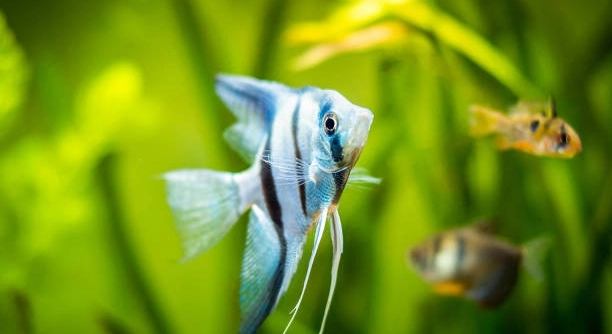
Is your angelfish looking unusually pale, leaving you concerned about what might be going wrong in your aquarium setup? Changes in fish coloration can often point to specific issues related to their environment, health, or behavior.
Pale coloration in angelfish is commonly caused by stress, illness, poor water conditions, or dietary deficiencies. Environmental changes, incompatible tank mates, or inadequate lighting may also contribute to this symptom and should be addressed promptly for recovery.
Understanding these causes will help you take the right steps toward improving your angelfish’s well-being and restoring its vibrant appearance.
Poor Water Quality
When your angelfish starts losing its color, the first thing to check is the tank’s water quality. Ammonia, nitrite, or nitrate levels that are too high can stress your fish and make them look pale. Even if your tank looks clean, imbalances in pH, temperature, or hardness can still affect your fish’s health. Test the water regularly, perform partial water changes, and make sure your filtration system is working properly. A stable, clean environment helps maintain not only color but also overall health. Keep in mind that water parameters can shift quickly, especially in overcrowded or overfed tanks.
Unstable parameters can lead to long-term issues if not addressed. Regular testing and maintenance are essential.
Clean water supports strong immune systems and reduces stress. If the water conditions are poor, angelfish may lose their color as a direct reaction. It’s one of the easiest problems to fix with consistent care and monitoring. Aim for small, weekly water changes.
Stress from Tank Mates
Aggressive or overly active fish can cause stress to angelfish. This kind of stress often shows in their color, behavior, and appetite.
Angelfish do best with peaceful companions. If tank mates are constantly chasing or nipping at them, they may become withdrawn and pale over time. Choosing the right mix of species is important, especially in community tanks. Avoid pairing them with fish that are known to be territorial or fin-nippers, such as tiger barbs or certain types of cichlids. Watch how your fish interact—signs of hiding, fast swimming, or loss of appetite can indicate a problem. Separating aggressive fish or rearranging the tank to break up territories can help reduce tension. If necessary, relocate the angelfish to a quieter tank until they regain their color and confidence.
Inadequate Diet
A lack of proper nutrition can cause your angelfish to appear pale. If they aren’t getting enough variety or essential nutrients, their coloration may fade over time, especially if they’re only eating flake food or low-quality pellets.
Angelfish need a balanced diet to stay vibrant and healthy. Include high-quality pellets, frozen or live foods like bloodworms, brine shrimp, and occasional vegetables. Feeding only one type of food can lead to deficiencies that show through pale coloring and sluggish behavior. Rotate different foods throughout the week to keep their diet balanced. Watch for signs of overfeeding, like leftover food sinking to the bottom. That can affect both the fish and the tank’s cleanliness. Try to feed in small portions, just enough for them to finish in a few minutes. Healthy food keeps them energetic and colorful.
It helps to look at the food label before buying anything new. Look for formulas specifically made for angelfish or tropical fish. These usually include the right mix of protein, vitamins, and minerals. Avoid foods with too much filler or artificial color. Natural ingredients work better for long-term health and pigmentation. If your angelfish is still pale even with a proper diet, you may need to adjust portion size or feed more frequently in smaller amounts.
Illness or Parasites
Illness can make angelfish pale very quickly. If they’re infected with parasites or internal diseases, they’ll usually show other symptoms too, like clamped fins, poor appetite, or sitting near the bottom of the tank for long periods.
Parasites like ich or flukes can drain energy and weaken their immune system. Internal infections might not show on the surface right away, but a pale color is often one of the first signs. Medication should be used carefully, and only after identifying the specific issue. Quarantine tanks can help you treat a sick fish without harming the rest. Also, make sure to clean any tools and hands before and after touching the tank to avoid spreading anything. If more than one fish shows symptoms, check your water quality again. Sometimes illness spreads faster in stressed or overcrowded conditions, and improving their environment is part of the recovery.
Sudden Environmental Changes
Angelfish can lose their color if the temperature drops suddenly or if the tank was cleaned too aggressively. Even minor shifts in water chemistry can cause visible stress and dull their appearance within hours.
They prefer stable conditions. Changes like new decorations, lighting shifts, or water top-offs done too quickly can trigger stress responses.
Inadequate Lighting
Lighting plays a small but noticeable role in angelfish coloration. If the tank is too dim, their natural tones may look faded. On the other hand, overly bright lights without hiding spots can make them feel exposed and pale. Use moderate lighting and offer shaded areas for comfort.
Natural Color Variation
Some angelfish are naturally paler than others, especially certain color morphs. As they grow, their appearance may also change slightly. If everything else seems fine—eating well, acting normal, clean tank—then it may just be their natural coloring.
FAQ
Why is my angelfish pale but still active?
If your angelfish is still swimming around, eating, and behaving normally, it may not be a serious issue. Pale color can sometimes be due to stress from environmental factors, such as water quality or tank mates, rather than an illness. Make sure their water parameters are ideal, and check if any recent changes in the tank might have triggered stress. A pale angelfish can also be a sign of temporary environmental stress, which might resolve itself after adjustments. However, if the paleness persists or other symptoms appear, further investigation is needed.
How can I improve my angelfish’s color?
Improving your angelfish’s color starts with ensuring the water quality is stable and clean. Perform regular water changes, check water temperature, and maintain proper filtration. Provide a balanced diet rich in vitamins, minerals, and protein to boost their health. Live or frozen food like bloodworms and brine shrimp can help maintain vibrant colors. Lastly, make sure your angelfish has proper lighting in the tank, as it can enhance their natural pigmentation.
Can water temperature cause an angelfish to lose its color?
Yes, fluctuating water temperatures can cause stress, leading to pale coloration. Angelfish prefer a steady temperature between 76°F to 82°F (24°C to 28°C). Temperatures that are too high or too low can cause discomfort and result in a lack of color. Ensure your tank heater is functioning properly and keep the temperature within the ideal range. Sudden temperature changes, even if small, can have a noticeable impact on the fish’s appearance.
Should I worry if my angelfish is pale but eating well?
If your angelfish is eating normally and showing no signs of illness, pale coloration may not be an immediate cause for concern. This could be a result of environmental stress, like changes in water conditions or a recent move to a new tank. Monitor their behavior and water quality regularly to ensure there’s no underlying issue. If they remain active and show no other signs of sickness, it’s likely a temporary phase. However, continue to observe their color changes, as prolonged paleness can signal health issues in the future.
Can I treat pale angelfish at home without a vet?
Many causes of paleness in angelfish can be addressed at home by improving water quality and adjusting their diet. Ensure the tank’s environment is optimal, with stable temperature, pH, and clean water. If the pale color is due to parasites or illness, you can try over-the-counter medications designed for freshwater fish. Always follow the dosage instructions carefully. If you aren’t sure about the cause or if your angelfish’s condition worsens, seeking advice from a vet or a fish expert is recommended.
How do I tell if my angelfish is stressed?
Signs of stress in angelfish include loss of color, hiding in corners, erratic swimming, clamped fins, or rapid breathing. A stressed angelfish might refuse food or swim frantically around the tank. Poor water conditions, aggressive tank mates, and sudden changes in the environment can all lead to stress. Reducing stressors, ensuring clean water, and providing a peaceful environment can help your fish feel more comfortable and regain their color.
Is it normal for angelfish to lose their color as they age?
As angelfish grow, their coloration may change, which is natural for some species. They may lose some vibrancy or shift in hue over time. However, if their color loss is sudden or accompanied by other symptoms like lethargy, loss of appetite, or abnormal swimming, it could indicate a problem. Aging fish can experience some paleness, but significant changes in color should still be monitored closely.
Can poor lighting make my angelfish appear pale?
Yes, lighting plays a role in the overall appearance of your angelfish. Too little light can cause them to appear washed out, while harsh lighting can stress them, making their colors dull. It’s best to use moderate lighting and ensure your fish has places to retreat to if the light is too bright. This will help maintain their vibrant appearance and comfort.
How often should I change the water to prevent my angelfish from turning pale?
Regular water changes are crucial to maintaining a healthy environment for your angelfish. Change about 25% to 30% of the water every week to keep toxins like ammonia and nitrates in check. Consistent water changes help prevent the water from becoming too polluted, which can lead to stress and color loss in your fish. A reliable filtration system and proper maintenance are key in keeping your fish vibrant and healthy.
Can angelfish turn pale from overfeeding?
Overfeeding can lead to poor water quality, which, in turn, can cause your angelfish to become stressed and pale. Leftover food decays in the tank, leading to an increase in harmful substances like ammonia. This can degrade water quality and result in fish losing their color. To avoid overfeeding, offer small portions that your fish can eat in a few minutes. Regularly remove uneaten food to maintain water cleanliness and reduce the chances of stress.
Final Thoughts
Angelfish are beautiful and vibrant creatures that add color and life to any aquarium. However, when they start to lose their color, it can be concerning for any fish owner. While pale coloration in angelfish can be a sign of stress, illness, or environmental issues, it is not always a reason to panic. Understanding the causes behind this color change can help in identifying and addressing the problem early on. It is essential to keep a close eye on your angelfish and monitor their behavior and tank conditions to ensure they remain healthy and vibrant.
Several factors can lead to pale angelfish, such as poor water quality, improper diet, sudden changes in the tank environment, or even illness. Maintaining proper water conditions, including temperature, pH levels, and filtration, is critical to the health of your fish. Additionally, providing a varied and nutritious diet, including high-quality pellets, frozen foods, and live food, can improve their overall health and coloration. Regular water changes are essential to keep harmful toxins at bay and ensure your fish are living in a clean and healthy environment.
If you notice your angelfish losing their color, take the time to assess the tank and the fish’s behavior. If the issue persists, consider isolating them in a quarantine tank to treat any potential diseases or parasites. It’s always a good idea to consult with a professional if you’re unsure about how to proceed. By staying proactive and attentive to your angelfish’s needs, you can restore their health and ensure they thrive in your aquarium for years to come.

Hello,
If you enjoy the content that we create, please consider saying a "Thank You!" by leaving a tip.
Every little bit helps us continue crafting quality advice that supports the health, happiness, and well-being of pets around the world, for pets of all shapes, sizes, and species.
We really appreciate the kindness and support that you show us!