
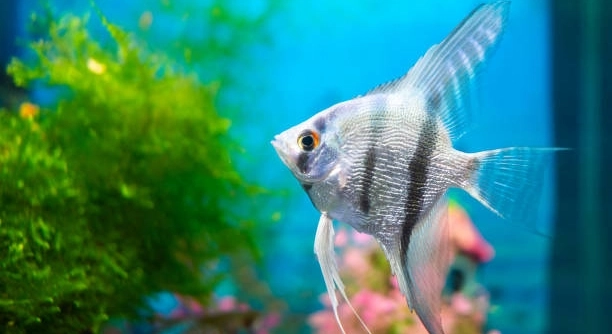
Angelfish are popular freshwater aquarium fish known for their graceful appearance and vibrant colors. Many aquarium enthusiasts may wonder whether they can thrive without an air pump in their tank. Understanding their needs is key to ensuring their well-being.
Angelfish can live without an air pump if the water is adequately oxygenated through surface agitation or live plants. However, air pumps can help maintain stable oxygen levels, improving their overall health, especially in larger or overcrowded tanks.
By considering the right water conditions and setup, you can ensure your angelfish remain healthy and vibrant. Understanding their environment helps keep them thriving.
How Angelfish Get Oxygen Without an Air Pump
Angelfish can survive without an air pump, but they still need adequate oxygen to thrive. In a well-maintained tank, water movement and surface agitation play a crucial role in oxygen exchange. When water moves across the surface, oxygen from the air dissolves into the water, providing your angelfish with the oxygen they need. In smaller tanks, live plants also contribute to oxygenation by releasing oxygen through photosynthesis. While air pumps are not mandatory, they can enhance water movement, which benefits your angelfish in larger or crowded tanks.
However, some factors make a difference in maintaining good oxygen levels. Water temperature, tank size, and fish activity all affect how much oxygen your fish need. If your tank is overcrowded or the water is stagnant, an air pump may help distribute oxygen more effectively. Angelfish prefer calm waters, but moderate water movement is ideal to keep them healthy. Pay attention to water quality and filtration to ensure your fish get what they need.
With the right environment, your angelfish can live without an air pump. Still, it’s important to know how to replicate natural conditions. Oxygenation from surface movement and plants can often be enough.
What to Watch for in Your Angelfish’s Tank
Proper water conditions are essential to your angelfish’s well-being. Keep an eye on the tank’s filtration and surface movement, as these factors help maintain oxygen levels.
Tank Size and Water Movement
A larger tank offers more oxygen and space for your angelfish to swim. In a small tank, oxygen levels can drop quickly, especially without an air pump. Water movement is also key in oxygenating the water. Proper filtration creates gentle movement, which benefits your angelfish by helping them get the oxygen they need.
In smaller tanks, stagnant water can lead to low oxygen levels. Even without an air pump, you can create movement by using a filter with adjustable flow or placing decorations that cause water agitation. Just avoid excessive movement, as angelfish prefer calmer waters. Adding live plants can also help oxygenate the tank and provide natural filtration.
If your angelfish tank is overcrowded, oxygen levels can deplete quickly. A larger tank allows for better oxygen exchange and a more stable environment. However, if you’re working with a smaller setup, consider adding a filter or live plants to keep the water circulating and oxygenated.
Role of Live Plants in Oxygenation
Live plants in your aquarium do more than just look attractive. They help oxygenate the water by releasing oxygen through photosynthesis, especially when exposed to light. In tanks without an air pump, plants play a crucial role in maintaining oxygen levels, ensuring your angelfish have what they need to thrive.
Plants also help absorb excess carbon dioxide and waste produced by the fish, making the tank environment healthier. Some of the best plants for this purpose include Java fern, Anubias, and Amazon sword. They are low-maintenance and easy to care for, even in tanks without an air pump.
The addition of live plants can create a more natural environment for your angelfish. They provide hiding spots, reduce stress, and improve overall water quality. When properly maintained, plants can significantly improve the tank’s oxygen levels, making an air pump unnecessary in many cases.
Oxygen Requirements for Angelfish
Angelfish are relatively hardy when it comes to oxygen needs, but they still require a minimum level to stay healthy. In a properly maintained tank, the natural water movement and surface agitation are usually enough to meet their oxygen requirements.
If your tank is too still or overcrowded, oxygen levels can drop quickly, stressing the fish. It’s important to monitor these levels to avoid health issues. Adding a filter or plants can help maintain proper oxygenation. However, always avoid excessive water movement, as angelfish prefer calm environments.
Benefits of a Filter System
A good filter system not only keeps the tank clean but also helps with water circulation, which is essential for oxygen exchange. For angelfish, mild water movement works best. Too much current can cause stress and hinder their swimming. Choose a filter with an adjustable flow rate to provide gentle circulation.
Filters also help remove debris and waste, ensuring the water remains clear and healthy. The added water movement helps oxygen dissolve into the water, creating a better environment for your fish. This can reduce the need for an air pump if you maintain the right setup.
Monitoring Water Quality
Regularly testing your water quality is essential for your angelfish’s health. Keep an eye on parameters like pH, ammonia, nitrites, and nitrates, as these can affect oxygen levels. Proper filtration and water changes also help maintain the right conditions for oxygenation.
Test the water at least once a week to ensure your angelfish are living in a stable, healthy environment.
FAQ
Can angelfish live in a tank without a filter?
Yes, angelfish can survive without a filter, but it’s more challenging to maintain water quality. Filters help keep the water clean by removing waste and debris. Without one, you’ll need to do more frequent water changes and ensure the water is still properly oxygenated. Using live plants or an air pump can help with oxygen exchange if the water movement is minimal.
Do angelfish need a heater?
Angelfish prefer warm water, typically between 76-82°F (24-28°C). A heater is essential in tanks that don’t naturally maintain this temperature range. Without a heater, the water may become too cold, which can stress your angelfish and reduce their immune system. Make sure the heater is reliable and maintain the water temperature at a stable level.
How do I know if my angelfish are stressed?
Stressed angelfish may exhibit several signs such as swimming erratically, rubbing against objects, hiding, or having a loss of appetite. They may also display faded colors or frayed fins. Stress can be caused by poor water quality, overcrowding, or improper tank conditions. Addressing these issues promptly can help reduce stress.
Can angelfish survive in cold water?
Angelfish are tropical fish and do not thrive in cold water. They require a stable, warm environment to stay healthy. Cold water can weaken their immune system and make them susceptible to diseases. To ensure their well-being, it’s best to keep the water temperature between 76-82°F (24-28°C).
How often should I change the water in an angelfish tank?
For a tank without a filter, it’s recommended to change about 25-30% of the water every week. If your tank has a filter, you can do partial water changes every two weeks. Regular water changes help remove toxins, keep oxygen levels stable, and prevent build-ups of harmful substances.
What is the ideal tank size for angelfish?
Angelfish need a minimum tank size of 30 gallons, but larger is always better. A larger tank provides more swimming space and helps with oxygen levels. If you plan to have multiple angelfish, a bigger tank (40-50 gallons) will help maintain water quality and prevent overcrowding.
Do angelfish need a lot of space to swim?
Yes, angelfish need plenty of space to swim, especially because they can grow quite large. A crowded tank can stress them out and lead to health problems. Providing enough swimming space encourages natural behavior and helps maintain their well-being.
Can angelfish live with other fish?
Angelfish are generally peaceful but can become territorial, especially as they grow larger. They can live with other peaceful fish, but it’s important to avoid small fish they might see as food, like neon tetras. Always research the compatibility of tank mates before introducing them.
How long do angelfish live?
Angelfish typically live for about 10 years in an ideal tank setup. Their lifespan can vary depending on factors like water quality, diet, and overall care. Regular maintenance, proper water conditions, and a balanced diet can help ensure they live a long, healthy life.
Can angelfish tolerate low oxygen levels?
While angelfish can survive in lower oxygen levels for short periods, they are not suited for consistently low-oxygen environments. If the tank is poorly oxygenated or overcrowded, your angelfish will be more stressed and may become more susceptible to diseases. It’s important to ensure proper filtration or surface agitation to maintain oxygen levels.
Are angelfish easy to care for?
Angelfish are fairly easy to care for if their basic needs are met, such as clean water, a stable temperature, and a balanced diet. They don’t require constant attention but do need regular water changes and tank maintenance. With the right setup, angelfish can thrive with minimal effort.
What should I feed my angelfish?
Angelfish are omnivores and require a varied diet. Offer them high-quality flake or pellet food designed for angelfish. They will also enjoy occasional live or frozen foods like brine shrimp, bloodworms, and daphnia. A mix of plant-based and protein-rich foods will help maintain their health and color.
How can I make sure my angelfish are breeding?
To encourage angelfish breeding, provide them with a stable environment that mimics their natural habitat. Maintain a water temperature of 78-80°F (25-27°C), and ensure the water is clean and slightly acidic (pH 6.5-7.0). Breeding pairs may lay eggs on a flat surface such as a rock or leaf.
Why are my angelfish hiding?
Hiding can be a sign of stress, illness, or poor water quality. Angelfish may hide if they feel threatened, are injured, or are not feeling well. Check the water parameters and make sure the tank mates are peaceful. If the behavior continues, monitor for other signs of illness.
Final Thoughts
Angelfish are beautiful and relatively easy to care for in the right conditions. They thrive in warm, well-oxygenated water with enough space to swim. While air pumps are helpful in some situations, angelfish can live without them if the tank has proper filtration and surface movement to support oxygen exchange. The key to keeping them healthy is ensuring the water quality remains high and that they have enough room to move around comfortably. Regular water changes, monitoring the water temperature, and avoiding overcrowding will go a long way in keeping your angelfish happy and stress-free.
While air pumps are not strictly necessary for angelfish, they can be beneficial in certain setups, especially when the tank is heavily stocked or lacks adequate filtration. If you do decide to use an air pump, it’s important to choose one that creates gentle water movement. Angelfish prefer calm waters, so excessive current can stress them out. Balancing the water movement with oxygen levels is crucial to ensure that the fish remain comfortable and healthy. This balance is essential for their long-term well-being, as poor water conditions can lead to diseases and stress.
In the end, understanding the needs of angelfish and adapting their environment accordingly will ensure they thrive. Whether you decide to use an air pump or not, the most important factor is maintaining a clean, stable environment. By providing a proper tank size, appropriate tank mates, and a consistent care routine, your angelfish can live long, healthy lives. Just remember that each fish is unique, and paying attention to their behavior and health will help you make the best decisions for their care.

Hello,
If you enjoy the content that we create, please consider saying a "Thank You!" by leaving a tip.
Every little bit helps us continue crafting quality advice that supports the health, happiness, and well-being of pets around the world, for pets of all shapes, sizes, and species.
We really appreciate the kindness and support that you show us!