
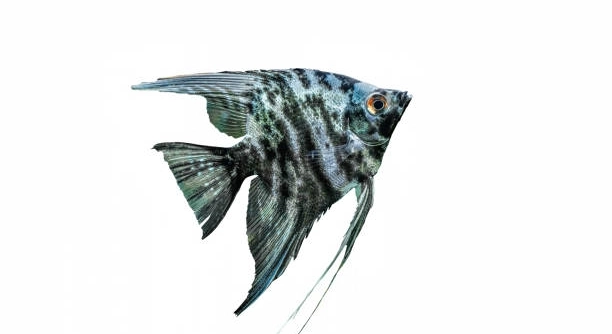
Angelfish are often seen hovering at the top of their tanks, which may be concerning for their owners. This behavior can signal different underlying issues that may need attention. Understanding these causes is key to providing proper care.
Hovering at the top of the tank is often a sign of oxygen deficiency, poor water quality, or an issue with water temperature. Angelfish may also react to stress, illness, or tank mates, which can further influence their behavior.
There are several factors that could be contributing to this issue. Addressing them will ensure your angelfish are comfortable and healthy in their environment.
Oxygen Deficiency in the Tank
One common reason for angelfish hovering near the top is a lack of oxygen in the water. Fish need dissolved oxygen to breathe, and if the oxygen levels are low, they’ll often rise to the surface to gulp air. This can happen in tanks with poor water movement or insufficient aeration. If your filter or pump isn’t working efficiently, the water might not be circulating enough, leading to low oxygen levels. If the tank is overstocked with fish or the water temperature is high, the oxygen levels may decrease as well.
To solve this, you should check your tank’s filtration system to ensure it’s providing adequate water circulation. Adding an air stone or a more powerful filter can also help increase oxygen levels. Keeping your water temperature within the ideal range for angelfish (around 76°F to 82°F) will also prevent oxygen depletion. In some cases, you may need to reduce the number of fish in the tank to improve oxygen availability.
Keeping the oxygen levels in check is essential for maintaining a healthy environment. Regular water changes and proper filtration go a long way in supporting your angelfish’s needs.
Water Quality Issues
Water quality plays a major role in your angelfish’s health. Poor water quality can cause stress, prompting your fish to hover near the surface.
Angelfish thrive in clean water, so it’s important to test your water regularly for ammonia, nitrites, and nitrates. High levels of these chemicals can stress your fish, causing abnormal behavior like hovering. If the water is too polluted, it can lead to oxygen depletion, making them rise to the surface for air.
Regular water changes are the best way to maintain water quality. A water filter designed for your tank size can help keep harmful substances in check. Make sure to clean your filter regularly to prevent clogs.
Temperature Fluctuations
Temperature changes can cause angelfish to hover at the top of the tank. Angelfish are sensitive to sudden temperature shifts, and if the water is too warm or too cold, they may seek comfort near the surface. Water that’s too warm can hold less oxygen, further stressing the fish.
To maintain a stable temperature, use a reliable aquarium heater. The temperature should remain between 76°F and 82°F. It’s important to monitor it regularly and avoid placing the tank in drafty areas or near heat sources. If you notice the fish are frequently at the surface, check the heater settings and adjust accordingly.
Temperature stability is key to keeping angelfish healthy. Sudden drops or increases can lead to stress and illness. Consistent water temperatures help reduce their need to hover at the top and ensure they’re comfortable in their environment.
Stress from Tank Mates
Sometimes, angelfish hover at the top due to stress from tank mates. If they feel threatened or overwhelmed by other fish, they may seek refuge at the surface. Aggressive or overly active tank mates can intimidate angelfish, making them retreat to the top.
It’s important to ensure that the fish in your tank are compatible. Some species are known to be more territorial or aggressive, which can create stress for your angelfish. If you suspect that tank mates are the cause, consider rearranging the layout of the tank or adding more hiding spots to give your angelfish a sense of security.
Providing a calm and peaceful tank environment is crucial for reducing stress. If necessary, separate aggressive fish or consider adding more angelfish to create a more balanced and peaceful environment. This will help your fish feel more at ease.
Illness or Injury
Angelfish hovering at the top may also be a sign of illness or injury. Infections, parasites, or physical wounds can cause discomfort, prompting them to stay near the surface. Watch for other signs such as discoloration or abnormal swimming.
If you suspect illness, examine your angelfish closely. Look for any external injuries, signs of parasites, or changes in color. If symptoms persist, consider isolating the affected fish and treating them with appropriate medication. A clean, well-maintained tank reduces the risk of disease.
Prompt action is necessary to prevent illness from spreading. Keeping your tank clean and observing your fish regularly can help catch issues early.
Poor Water Circulation
When water circulation is insufficient, angelfish may hover near the surface. Poor circulation can lead to oxygen deficiency and an unbalanced environment. Without proper water movement, fish may struggle to access enough oxygen in the lower parts of the tank.
A properly functioning filter and additional water pumps can improve circulation. This helps oxygenate the entire tank, ensuring that fish can move freely and breathe without difficulty. It’s important to choose a filter suitable for your tank size and regularly check its performance. If necessary, add an air pump for extra oxygen flow.
Tank Overcrowding
Overcrowding is another common cause of angelfish hovering near the top. Too many fish in a small space can lead to low oxygen levels, stress, and competition for resources. This causes fish to seek relief at the surface.
Reducing the number of fish in your tank can alleviate overcrowding. Aim for a tank that allows enough room for each fish to swim comfortably. Additionally, maintaining proper filtration and ensuring good water quality can help mitigate the effects of overcrowding.
FAQ
Why are my angelfish gasping at the surface?
Gasping at the surface often indicates low oxygen levels in the tank. Angelfish may swim to the top to gulp air if the water is poorly oxygenated. This could be caused by a lack of water movement, a malfunctioning filter, or overcrowding. Check the tank’s filtration system and ensure the water is circulating well. Adding an air stone or adjusting the water temperature may also help improve oxygen levels.
Can angelfish survive without aeration?
Angelfish can survive in tanks without aeration, but it’s not ideal. Aeration helps to oxygenate the water, improving the overall health of the fish. Without sufficient oxygen, angelfish may hover at the surface or show signs of stress. Ensure your tank has proper circulation through a reliable filter, and if necessary, add an air pump to keep the water oxygen-rich.
What is the best water temperature for angelfish?
Angelfish prefer water temperatures between 76°F and 82°F. Temperatures outside this range can cause stress and lead to hovering behavior. If the water is too warm, oxygen levels can drop, which is why it’s essential to keep the water within the ideal range for their well-being.
How often should I change the water in my angelfish tank?
It’s recommended to change 25% to 30% of the water in your angelfish tank every 1-2 weeks. Regular water changes help remove waste, toxins, and excess nutrients, improving water quality and ensuring the health of your fish. If your tank is heavily stocked or has water quality issues, more frequent changes may be necessary.
Can angelfish live with other fish?
Angelfish can live with other peaceful fish, but they should not be kept with overly aggressive or territorial species. It’s best to house them with similarly sized or slightly smaller fish that won’t compete for resources or space. Keep an eye on tank dynamics, as stress from aggressive tank mates can lead to hovering behavior.
Why is my angelfish staying at the top of the tank, and how can I fix it?
Your angelfish may be staying at the top due to several reasons, such as oxygen deficiency, poor water quality, high water temperature, stress, or illness. The first step is to check the water quality and ensure oxygen levels are sufficient. Improve water circulation by adjusting the filter or adding an air pump. Ensure the water temperature is within the ideal range for angelfish. If the problem persists, monitor your fish for signs of illness or stress and consider isolating any problematic tank mates.
How do I know if my angelfish is stressed?
Signs of stress in angelfish include hovering at the surface, excessive hiding, a loss of appetite, or faded colors. Stress can be caused by factors like poor water quality, temperature fluctuations, overcrowding, or aggressive tank mates. Regularly check water parameters and observe your fish for behavioral changes to identify and address the cause of stress.
How do I treat an angelfish that is sick?
If your angelfish shows signs of illness, such as abnormal swimming, lethargy, or color changes, isolate the affected fish in a quarantine tank. Treat the illness with appropriate medication based on the symptoms. It’s important to maintain clean water and reduce stress during treatment. If the issue persists, consult a veterinarian who specializes in fish health.
Can angelfish breed in a community tank?
Angelfish can breed in a community tank, but it’s not always ideal. Breeding pairs may become territorial and aggressive, particularly when guarding eggs or fry. If breeding occurs, ensure the tank has plenty of hiding spots for other fish and that the pair has a quiet area to lay and protect their eggs.
What do angelfish eat?
Angelfish are omnivores and require a varied diet. They can be fed high-quality flakes or pellets designed for tropical fish, as well as live or frozen foods like bloodworms, brine shrimp, and daphnia. Provide a balanced diet to ensure their health and prevent malnutrition, which can lead to behavior changes, including hovering.
Can angelfish live in a tank with plants?
Yes, angelfish can live in a tank with plants. In fact, live plants provide many benefits, including hiding spots and natural filtration. However, angelfish may nibble on soft-leaved plants. Opt for sturdy plants like Java ferns or Anubias to ensure they withstand any nibbling. Plants also help maintain water quality, which is essential for keeping your angelfish healthy.
Final Thoughts
Understanding why your angelfish are hovering at the top of the tank is crucial for their health and well-being. Several factors can contribute to this behavior, from low oxygen levels and poor water quality to stress or illness. By monitoring the water temperature, ensuring proper filtration, and maintaining a peaceful tank environment, you can address many of the common causes. If your angelfish continue to hover despite these efforts, it may be helpful to look for additional signs of illness or consider adjusting the tank’s layout to reduce stress.
Regular tank maintenance is essential in preventing problems that lead to hovering. Keeping the water clean and properly oxygenated helps create a healthy environment for your fish. Testing water parameters such as pH, ammonia, and nitrate levels will also allow you to identify any imbalances before they become serious. By staying on top of water changes and ensuring proper circulation, you’ll help your angelfish thrive. If you’re unsure whether the behavior is related to water quality, it may be helpful to seek advice from a professional or veterinarian.
Finally, pay attention to the behavior of your angelfish and other fish in the tank. Sometimes, issues like overcrowding or aggression from other tank mates can cause unnecessary stress. Ensure your tank is appropriately stocked and that each fish has enough space to swim comfortably. While hovering at the top of the tank can sometimes be harmless, it is often a sign that something in the tank isn’t right. By staying proactive with water quality, temperature, and tank conditions, you can keep your angelfish happy and healthy.

Hello,
If you enjoy the content that we create, please consider saying a "Thank You!" by leaving a tip.
Every little bit helps us continue crafting quality advice that supports the health, happiness, and well-being of pets around the world, for pets of all shapes, sizes, and species.
We really appreciate the kindness and support that you show us!