
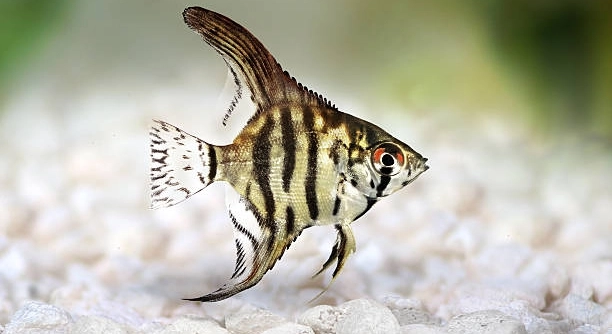
Angelfish are fascinating creatures, known for their graceful movements and striking appearance. You may have noticed their unique body shakes, and wondered what causes this behavior. It’s not just a random act but can mean a variety of things.
Angelfish shake their bodies for several reasons, including communication, mating behavior, stress, or a response to environmental factors. Shaking can also signal discomfort due to illness or changes in water conditions.
There are multiple factors at play, from natural instincts to possible environmental triggers. Understanding why your angelfish shake will help ensure they stay healthy and content in their aquarium environment.
1. Natural Mating Behavior
When angelfish shake their bodies, it could be a sign of courtship. This type of behavior is often observed during the breeding season. Male angelfish will shake their bodies to attract females and establish a connection. It’s part of their ritual to communicate readiness for mating.
While the body shake can seem unusual, it’s normal for angelfish during breeding. This behavior is typically accompanied by other movements, such as chasing or displaying their fins. The shaking helps signal to the female that the male is healthy and capable of producing offspring. It’s also a way for them to establish their territory.
Male angelfish are especially prone to shaking when they’re trying to impress a potential mate. The vibration or shaking movement is thought to be part of the courtship process, helping them communicate their fitness to breed. Understanding this natural behavior helps fishkeepers ensure they’re providing the right environment for breeding success. If you notice this behavior, it’s likely a sign of excitement and anticipation for the breeding season.
2. Stress or Environmental Discomfort
Environmental factors, like water temperature or tank conditions, can cause angelfish to shake. If your fish is uncomfortable in their environment, shaking may be an indication of stress.
Shaking can be triggered by poor water quality, improper tankmates, or a significant shift in water parameters. Angelfish are sensitive to their surroundings and will show signs of distress when they feel unsafe or unwell. Poor water conditions can lead to this shaking behavior as the fish struggle to adapt.
Regularly testing water quality is crucial for maintaining a healthy tank environment. If you notice frequent shaking in your angelfish, make sure to check for signs of poor water quality, such as high ammonia levels or low oxygen. Additionally, ensuring the tank is not overcrowded and that tankmates are peaceful can help reduce stress. A calm and stable environment will promote overall health and reduce the chances of shaking due to stress.
3. Illness or Infection
If your angelfish is shaking its body constantly, it may be dealing with an illness or infection. Just like any other fish, angelfish are vulnerable to various health issues, including parasites, bacterial infections, or external wounds.
One common sign of illness in angelfish is shaking or twitching. If the shaking is accompanied by other symptoms like lethargy, loss of appetite, or visible lesions, this could be a sign that something is wrong. Infections like velvet disease or white spot disease often cause abnormal behavior, such as shaking. It’s important to observe your angelfish carefully for any additional symptoms and act quickly if needed.
Treating a sick angelfish often requires quarantining it in a separate tank to prevent the spread of disease. Depending on the illness, medication might be needed, so it’s important to get advice from a vet who specializes in fish health. Early intervention can help save your fish and prevent the infection from spreading to other tankmates. Keep the water conditions stable and follow treatment guidelines for the best chances of recovery.
4. Territorial Behavior
Angelfish are known to be territorial, especially when they’re trying to establish their space in the aquarium. If there are other fish in the tank, particularly other angelfish, they might shake their bodies to defend their territory.
Shaking can be a sign of aggression, as angelfish use this behavior to warn others that they’re not welcome in their space. This can happen during feeding time or when they feel another fish is too close to their favorite resting spots. The shaking is often accompanied by other displays, like flaring fins or chasing.
It’s essential to monitor the tank carefully if you have multiple angelfish or other territorial fish. Ensure there’s enough space for each fish to have its own area, reducing the chance of conflicts. By giving your angelfish room to establish their territory, you’ll reduce stress and minimize shaking due to territorial disputes.
5. Communication with Tankmates
Angelfish may shake their bodies as a form of communication with their tankmates. Fish communicate in various ways, including through body language, and shaking can be a signal that they’re trying to convey something to another fish.
This shaking is usually subtle but can serve as a way to communicate dominance, share their mood, or warn other fish of potential danger. It’s part of the angelfish’s normal behavior and can occur when they interact with each other or even with other species. If you notice consistent shaking between tankmates, it could be part of their social dynamic.
If you have multiple fish species in your tank, it’s important to ensure they’re compatible. Angelfish may shake to express dominance, but this shouldn’t lead to physical harm. Pay attention to any signs of aggression or stress to maintain peaceful relationships between your fish. Social interactions can affect the overall harmony in the tank.
6. Water Temperature Fluctuations
Shaking can occur when the water temperature in the tank is unstable. Angelfish thrive in specific temperature ranges, and sudden drops or increases can cause stress. This can lead to behaviors like shaking as the fish try to adjust.
Angelfish prefer a stable water temperature between 76-82°F (24-28°C). Rapid changes outside of this range can affect their health and behavior. If the tank temperature fluctuates too much, angelfish might begin shaking as a sign of discomfort. It’s important to use a reliable heater and thermometer to maintain consistency.
If you notice that your angelfish is shaking, check the water temperature. If the temperature is too high or low, consider adjusting the heater or adding a cooling system. Sudden changes in temperature can be harmful to fish, so always aim for gradual adjustments to avoid stressing them further. Maintaining stable water conditions will help ensure your angelfish stays healthy and content.
7. Poor Tankmates
Angelfish can shake their bodies as a response to aggressive or incompatible tankmates. Some fish species may not get along well with angelfish, leading to stress or territorial disputes. Shaking could be a sign of tension.
Aggressive fish may bully angelfish or invade their space, causing them to react by shaking. This behavior is their way of signaling discomfort or even trying to defend their territory. If your angelfish shakes in the presence of certain fish, it may be a result of conflict. Keeping peaceful species alongside angelfish can reduce this stress.
To avoid unnecessary aggression, choose tankmates carefully. Opt for calm, non-territorial fish that won’t threaten your angelfish. If aggression persists, separating the aggressive fish or providing more hiding spaces for your angelfish could help ease the tension. Shaking is often a sign that your fish isn’t feeling safe, so addressing tankmate compatibility is key to resolving this behavior.
8. Water Quality Issues
Shaking can also be a sign that your angelfish is struggling with water quality. Poor water conditions, such as high ammonia, nitrites, or nitrates, can cause stress. Regular water testing is crucial to ensure your fish are comfortable.
High levels of toxins in the water can lead to shaking as the fish attempt to cope with the unfavorable environment. If the water is dirty or improperly filtered, it may cause irritations that trigger the shaking. Make sure to clean the tank regularly and perform water changes to keep the environment safe and stable for your angelfish.
9. Overcrowding
Shaking can result from overcrowding in the aquarium. Angelfish, like many other species, need enough space to thrive. Too many fish in a small tank can lead to stress and abnormal behavior, including shaking.
Overcrowding can cause aggressive encounters and limit the angelfish’s ability to find its own space. Angelfish require ample swimming space to feel secure. If your tank is too crowded, it might trigger defensive behaviors, leading to shaking. Make sure your tank is properly sized for the number of fish you have.
10. Poor Nutrition
Angelfish may shake if they’re not receiving proper nutrition. A poor diet can weaken their immune system and cause stress, making them more prone to shaking. It’s essential to feed them a balanced diet.
A lack of proper nutrients can result in lethargy, poor coloration, and shaking. Make sure to offer high-quality flakes, pellets, or frozen food rich in proteins and vitamins. Variety in their diet, including occasional live foods, will keep them healthy and reduce stress. A well-fed angelfish is less likely to experience discomfort or abnormal behaviors like shaking.
FAQ
Why do angelfish shake their bodies?
Angelfish shake their bodies for several reasons, such as courtship, territorial behavior, stress, or illness. During mating, males may shake to attract females. Shaking can also be a response to uncomfortable water conditions, overcrowding, or incompatible tankmates. If the shaking is frequent and accompanied by other symptoms like lethargy, it may indicate a health issue.
Is it normal for angelfish to shake?
Yes, it can be normal for angelfish to shake in certain situations, especially during courtship or as a sign of stress. However, if the shaking becomes constant or is paired with other unusual behaviors, it could be a sign of an underlying problem, such as poor water quality or illness.
How can I stop my angelfish from shaking?
To prevent shaking, start by assessing the tank environment. Check water quality regularly, ensure the temperature is stable, and avoid overcrowding. If there are aggressive tankmates, consider removing them or adding more hiding spaces for your angelfish. Also, ensure they are receiving a balanced diet and appropriate care.
Could poor water quality be causing my angelfish to shake?
Yes, poor water quality is one of the common causes of shaking in angelfish. High ammonia or nitrite levels, low oxygen, and improper pH levels can cause stress and lead to abnormal behaviors. Test the water regularly and perform water changes as needed to maintain a healthy environment for your fish.
How can I improve water quality for my angelfish?
Improving water quality requires regular water testing, filtering, and performing routine water changes. Ensure the tank is appropriately filtered to maintain a healthy balance of nitrates and other essential parameters. Aim for water changes of 10-20% weekly, depending on tank size and fish load. Use water conditioners if needed to remove chlorine or chloramine from tap water.
What temperature should the water be for angelfish?
Angelfish thrive in water temperatures between 76-82°F (24-28°C). Keeping the water temperature stable within this range will reduce stress and help prevent shaking. Avoid large fluctuations in temperature, as sudden changes can lead to illness or agitation in your fish.
Can angelfish shake due to stress from tankmates?
Yes, angelfish can shake due to stress caused by incompatible tankmates. Aggressive or territorial fish can trigger defensive behaviors in angelfish, such as shaking. Ensure your tankmates are peaceful and similar in size. Avoid placing aggressive species or multiple angelfish in a small tank, as this can increase stress.
Can shaking be a sign of illness in angelfish?
Yes, shaking can be a sign of illness or infection in angelfish. If the shaking is accompanied by other symptoms, like loss of appetite, lethargy, or changes in appearance, the fish may be suffering from parasites, bacterial infections, or other health issues. In such cases, quarantine the affected fish and seek treatment.
What should I do if my angelfish is shaking and looks sick?
If your angelfish is shaking and showing signs of illness, it’s essential to address the problem quickly. Start by testing the water to rule out poor conditions. If the water quality is fine, check for other symptoms like lesions, cloudy eyes, or discolored patches. Quarantine the fish if necessary and treat with appropriate medications, following the instructions carefully.
Can shaking be a sign of mating behavior in angelfish?
Yes, during mating season, male angelfish will often shake or vibrate their bodies to attract females. This behavior is part of their courtship ritual, along with other actions like chasing and fin displays. It’s normal for male angelfish to shake when they are trying to impress a potential mate.
How can I tell if my angelfish is shaking because of mating?
If the shaking is happening during the breeding season, it’s likely a mating behavior. Look for other signs of courtship, such as the male following the female around, displaying his fins, or trying to clear a spot for laying eggs. Shaking in this context is harmless and a natural part of their breeding process.
Is shaking a sign of aggression in angelfish?
Shaking can be a sign of aggression in angelfish, especially when they are defending their territory or reacting to other fish. If there is another angelfish or a different fish nearby, the shaking might be a warning to stay away. If you see your angelfish shaking and also flaring its fins or chasing others, it may be showing aggression.
Can shaking occur if my angelfish is hungry?
Yes, shaking can sometimes happen when angelfish are hungry. They may shake to get your attention, signaling that they need food. If your fish has not been fed recently, it may shake as a form of communication, letting you know that it’s time to eat. However, shaking is more often related to stress or health issues.
Could my angelfish be shaking due to overcrowding?
Yes, overcrowding can cause stress in angelfish, leading to behaviors like shaking. If there are too many fish in the tank, the angelfish may feel threatened or have limited space to swim. This can cause anxiety, resulting in shaking or other defensive behaviors. Make sure the tank is large enough for the number of fish you have.
How often should I clean my angelfish tank?
Regular cleaning is vital for maintaining a healthy environment for your angelfish. Perform partial water changes of 10-20% weekly, and clean the substrate and decorations as needed. Also, check and clean the filter to ensure it’s functioning well. Keeping the tank clean can prevent water quality issues that could lead to shaking.
Can shaking be a sign of a parasite infection in angelfish?
Yes, shaking can be a symptom of a parasite infection. Parasites such as Ich or velvet disease can irritate the fish, causing shaking, twitching, or rubbing against surfaces. If you suspect your angelfish has a parasite infection, look for other signs such as white spots or a dusty appearance on their skin. Treating the fish with anti-parasitic medication is necessary.
Final Thoughts
Angelfish are beautiful and graceful creatures, but like all pets, they require proper care to thrive. Shaking is one of the behaviors that may catch a fishkeeper’s attention, and while it can be part of natural behavior, it can also indicate problems. Understanding the reasons behind the shaking can help ensure that your angelfish remains healthy and happy. Whether it’s due to mating, stress, or an environmental issue, paying close attention to your angelfish’s behavior is key to addressing their needs.
If you notice your angelfish shaking, the first step is to examine their tank environment. Water quality is often the root cause of stress, so regularly testing the water for ammonia, nitrites, nitrates, and pH is essential. Maintaining a stable temperature and proper filtration will also reduce stress and prevent shaking caused by poor tank conditions. If overcrowding is a concern, consider rearranging the tank to give your angelfish more space, or move some fish to a separate tank. Incompatibility with other fish can also cause shaking, so carefully selecting peaceful tankmates will help avoid unnecessary stress.
Lastly, while shaking can sometimes be a sign of illness, it’s important not to panic immediately. If the shaking is accompanied by other symptoms like changes in appearance, lethargy, or loss of appetite, then illness might be the cause. In such cases, isolating the fish in a quarantine tank and treating with the appropriate medication is crucial. Regular feeding with a balanced diet, as well as keeping a clean tank, can also prevent health problems from arising. By being observant and proactive, you can provide the best care for your angelfish, ensuring they lead a healthy and fulfilling life.

Hello,
If you enjoy the content that we create, please consider saying a "Thank You!" by leaving a tip.
Every little bit helps us continue crafting quality advice that supports the health, happiness, and well-being of pets around the world, for pets of all shapes, sizes, and species.
We really appreciate the kindness and support that you show us!