
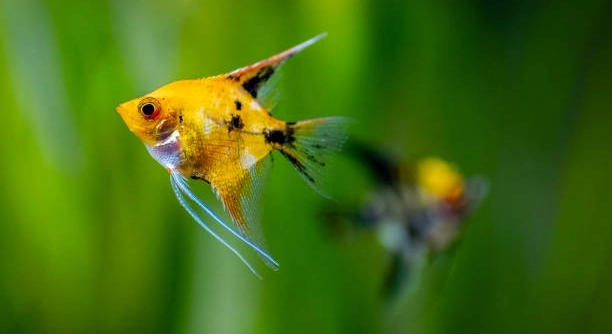
Angelfish are beautiful aquarium residents, and watching their eggs develop into tiny fry can be a rewarding experience. However, it can be frustrating when those eggs don’t hatch as expected. Understanding the reasons why this happens can help.
The failure of angelfish eggs to hatch often results from issues such as improper water conditions, poor genetics, or inadequate care from the parents. These factors disrupt the natural hatching process, leading to unhatched eggs.
By addressing common environmental and biological factors, you can improve the chances of successful hatching. Keep reading for insights on how to fix these issues and ensure a healthy batch of fry.
1. Poor Water Quality
Water quality is one of the most important factors that can affect your angelfish eggs. If the water is too cold, too warm, or has imbalances in pH or ammonia levels, the eggs may not develop properly. Angelfish prefer stable conditions, so any drastic change in their environment can stress the fish and cause eggs to fail.
Maintaining the right water temperature between 76-80°F (24-27°C) is essential. Ensure the pH is slightly acidic to neutral, around 6.5-7.0. Use a good filtration system and regularly test for ammonia and nitrite levels.
Make sure to change the water regularly to remove toxins and maintain a clean environment for both the parents and the eggs. If the water becomes polluted, the embryos can suffocate or become infected, which may stop them from hatching. Keep the water conditions in check, and you’ll see better results with your angelfish eggs.
2. Inexperienced or Stressed Parents
Stress in the parent fish can affect egg hatching. If either of the angelfish is stressed or inexperienced, they may not care for the eggs properly, causing them to die. It’s crucial that both parents are healthy, comfortable, and prepared to tend to the eggs.
When raising angelfish, the parents play a significant role in protecting and oxygenating the eggs. If the fish feel threatened or anxious, they may neglect their eggs, leading to them not hatching. Make sure the aquarium is peaceful, without other aggressive fish or unnecessary disturbances.
If the parents are still learning to care for their eggs, they might not have the right instincts. Providing a calm, quiet environment allows them to focus on the task at hand. Healthy, well-cared-for parents are essential to the survival of the eggs. By reducing stress, you’ll help your angelfish thrive and increase the chances of the eggs hatching successfully.
3. Unfavorable Lighting
Lighting plays a role in the development of angelfish eggs. Too much light can stress the fish and disrupt the natural breeding process. On the other hand, too little light can cause the parents to feel insecure and unwilling to care for the eggs properly.
Angelfish prefer moderate lighting. Ensure the aquarium has a light cycle that mimics natural day and night, around 10-12 hours of light each day. Excessive light can lead to algae growth, which can affect water quality, further harming the eggs. Keep the lighting soft and consistent.
Lighting also impacts the angelfish’s behavior. Bright, intense lights may cause them to abandon the eggs or become agitated. A calm, low-light environment will help them focus on caring for their eggs and allow the embryos to develop without disruption. Pay attention to the light levels and make adjustments when necessary.
4. Incorrect Tank Setup
If the tank isn’t set up to suit the angelfish’s needs, the eggs might not hatch. The placement of decorations, the water flow, and the space available to the fish all contribute to a successful breeding environment.
Avoid placing large, obstructive decorations near the egg-laying site. Angelfish need room to move around without feeling cornered. Strong water currents can also make it difficult for the parents to protect and oxygenate the eggs, leading to poor development. Adjusting the water flow to a gentle current will help the angelfish maintain their egg care routine.
Additionally, a tank with multiple fish might introduce competition or aggression, causing stress for the angelfish. A smaller, more peaceful setup focused on the breeding pair is the ideal way to go. Keeping things simple and balanced in the tank will help ensure that both the eggs and the parents thrive.
5. Overcrowded Tank
An overcrowded tank can lead to high stress levels for your angelfish. If there are too many fish in the tank, the angelfish may feel threatened and distracted from properly caring for their eggs. This can result in failed hatches.
Having too many fish in the aquarium creates unnecessary competition for space and resources. This increases the stress on the breeding pair and makes them more likely to neglect their eggs. A peaceful, low-stress environment is essential for successful breeding. Reducing the number of fish in the tank will give your angelfish more space and allow them to focus on their eggs.
6. Inadequate Oxygenation
Oxygen levels in the water are crucial for egg development. Low oxygen can prevent proper gas exchange, which can harm the embryos. Ensure there is enough oxygenation in the tank for both the fish and their eggs.
A good filtration system and an air stone can help improve oxygen flow. Angelfish eggs need clean, oxygen-rich water to develop properly. Without it, the embryos will struggle to survive. Make sure the water is constantly moving to avoid stagnant areas. By enhancing oxygenation, you’re increasing the chances of healthy egg development.
7. Poor Genetics
Genetics can be a hidden reason why angelfish eggs fail to hatch. If the parent fish have genetic defects or poor breeding backgrounds, their eggs may not be viable. Weak genetics can lead to undeveloped or non-fertilized eggs.
To avoid this issue, it’s important to ensure that you are breeding healthy, genetically strong fish. If you’re not sure about the health of the breeding pair, consider getting them from a reputable breeder. Healthy genetics lead to better chances for successful egg hatching and thriving fry.
FAQ
Why aren’t my angelfish eggs fertilized?
Unfertilized eggs are often the result of the male not successfully fertilizing them. This can happen if the breeding pair is not well-matched, or if there is stress affecting their behavior. A weak or sick male may also fail to fertilize the eggs properly. In some cases, the pair may simply not be ready to breed, and this can affect the fertilization process.
How long does it take for angelfish eggs to hatch?
Angelfish eggs typically take around 2 to 3 days to hatch, depending on water temperature and quality. The warmer the water, the faster the eggs will hatch. However, if the conditions are not ideal—such as improper water temperature or poor water quality—the eggs may take longer or fail to hatch altogether. Be patient and ensure the environment is stable.
Can angelfish eggs be moved to another tank?
Moving angelfish eggs to another tank is possible, but it requires a lot of care. It’s best to leave the eggs with the parents, as they protect and oxygenate them. If you must move the eggs, ensure that the new tank is properly set up with the same water conditions. Use a gentle method to transfer the eggs, as any shock or rough handling can harm them.
Why are my angelfish eggs turning white?
White eggs are often a sign of fungal infection or the eggs being unfertilized. If the eggs aren’t fertilized, they will typically turn white and will eventually decay. Fungal infections are common in eggs that aren’t being properly cared for. In either case, it’s important to remove the affected eggs to prevent the spread of infection.
Should I remove the eggs if they are not hatching?
If the eggs are not hatching after 3 days, it’s a good idea to examine the situation. Check for signs of fungus or other issues, and remove any non-viable eggs. If the water quality is poor or if there’s stress affecting the parents, try to fix those issues before attempting to breed again. In some cases, leaving the eggs with the parents for a longer period might be helpful.
How can I improve the water conditions for my angelfish eggs?
Regular water changes and consistent water parameters are key to ensuring healthy egg development. Test the water for ammonia, nitrites, and pH levels. The ideal water temperature is around 76-80°F (24-27°C), with a slightly acidic to neutral pH of 6.5-7.0. You should also avoid sudden temperature changes or fluctuations. Regular water changes help remove toxins that can harm the eggs.
What should I feed my angelfish while they are caring for eggs?
During the egg-laying process, feed your angelfish high-quality, protein-rich foods. Live foods, such as brine shrimp or bloodworms, are ideal to boost their energy. However, avoid overfeeding, as excess food can pollute the tank and negatively affect the eggs. A well-balanced diet supports the health of the parents and the eggs, ensuring the best chances for success.
How do I know if my angelfish are ready to breed?
Angelfish show signs of readiness to breed by becoming more active and establishing territories. The female will start showing a slightly rounded belly, and the male will begin to show interest by following her around. They may also clean a flat surface in the tank, where they will eventually lay their eggs. Healthy, well-fed angelfish are more likely to breed successfully.
Why did my angelfish eat their eggs?
Sometimes, angelfish eat their eggs, especially if they are stressed or inexperienced. New breeders may lack the instincts to care for the eggs properly and might eat them. This behavior can also happen if the tank is overcrowded, or if the parents feel insecure in their environment. Reducing stress, providing ample space, and ensuring they are healthy can help avoid this problem.
How can I prevent fungal infections on angelfish eggs?
Fungal infections are common on angelfish eggs, especially if they are not cared for properly. To prevent this, ensure the water is clean, and the temperature is stable. Remove any dead eggs immediately, as they can quickly become a breeding ground for fungi. You can also use anti-fungal treatments, but always be cautious and follow instructions carefully.
Should I use a separate breeding tank?
Using a separate breeding tank can be beneficial, especially if you want to prevent other fish from interfering with the breeding process. A separate tank allows for more controlled conditions, reducing stress from other tank mates. However, it’s important to ensure that the tank is properly set up, with similar water conditions to the main tank, to avoid causing additional stress for the parents.
Why are my angelfish eggs disappearing?
Eggs may disappear due to various reasons, including other tank inhabitants eating them. Some fish, even peaceful species, may nibble on angelfish eggs if they get the chance. Inexperienced parents may also accidentally eat the eggs, especially if they are stressed or agitated. Make sure the tank is secure, and the parents are able to protect the eggs.
What can I do if my angelfish eggs aren’t developing?
If your angelfish eggs are not developing, check the water parameters, temperature, and cleanliness. Ensure the parents are healthy and not under stress. If you suspect poor genetics, you may want to reconsider your breeding pair. Adjusting the conditions and giving the eggs time may help improve the situation. If issues persist, consider seeking advice from a more experienced breeder.
Can I use chemicals to help angelfish eggs hatch?
While some chemicals are marketed to promote egg hatching, it’s generally better to focus on natural environmental factors, such as maintaining clean water, proper temperature, and minimal stress. Overusing chemicals can harm the eggs or the fish. Prioritize water quality and parental care instead of relying on chemicals for success.
Final Thoughts
Raising angelfish and ensuring that their eggs hatch successfully can be a challenging process, but it is also a rewarding experience. There are many factors to consider, from water quality to the health of the parents. If the eggs aren’t hatching, it’s important to carefully evaluate the environment and the care being provided to the fish. Small changes, like adjusting water temperature or improving the tank setup, can make a significant difference in the outcome.
One of the key factors in ensuring successful hatching is providing a stable and stress-free environment for both the fish and the eggs. Stress can prevent the parents from properly caring for the eggs, while poor water conditions can lead to developmental issues. By keeping the water clean, maintaining the right temperature, and minimizing disturbances, you’re giving the eggs the best chance to hatch. Regular monitoring and attention to details can help you troubleshoot issues before they become major problems.
Ultimately, breeding angelfish takes patience and dedication. It’s essential to understand that things may not always go as planned, and there may be setbacks along the way. However, with the right approach and proper care, your angelfish will have a better chance of raising healthy fry. If you find yourself facing consistent problems, don’t hesitate to seek advice from experienced breeders or adjust your approach. With time and practice, you’ll become more adept at ensuring your angelfish eggs hatch successfully.

Hello,
If you enjoy the content that we create, please consider saying a "Thank You!" by leaving a tip.
Every little bit helps us continue crafting quality advice that supports the health, happiness, and well-being of pets around the world, for pets of all shapes, sizes, and species.
We really appreciate the kindness and support that you show us!