
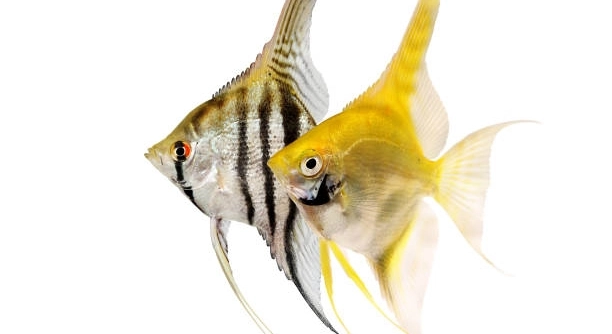
Angelfish are beautiful creatures, but sometimes they may start rubbing against objects in their aquarium. This behavior can be puzzling for many fish owners. Understanding the reasons behind it can help maintain a healthy environment for your fish.
Rubbing against objects is often a sign of discomfort or irritation in angelfish. This behavior may result from issues such as parasites, water quality problems, or even stress. Identifying the cause is crucial to ensuring the health and well-being of your fish.
There are several possible reasons for this behavior, and addressing each one will help you create a better habitat for your angelfish. Keep reading to learn more about what could be causing your fish to rub against objects.
Poor Water Quality
One of the most common reasons for angelfish rubbing against objects is poor water quality. Angelfish are very sensitive to changes in their environment. If the water has high levels of ammonia, nitrates, or nitrites, it can irritate their skin and gills, causing them to rub against objects to alleviate the discomfort. Dirty or contaminated water can also lead to stress, weakening your fish’s immune system.
Make sure to regularly check the water parameters in your tank, including pH, ammonia, nitrites, and nitrates, to maintain a healthy environment. If the water quality is compromised, it can lead to various health issues, including skin irritation and infections.
To prevent water quality problems, perform regular water changes and use a good filtration system. Ensure your tank is properly cycled before adding fish, and avoid overcrowding the aquarium. Regularly monitor water parameters and adjust your filtration system as needed to keep the environment stable. A clean and stable aquarium helps keep your angelfish healthy and happy.
Parasites and Skin Infections
Parasites are another possible cause of rubbing. External parasites like ich or velvet can irritate your angelfish’s skin, prompting them to rub against objects to remove the parasites.
Parasites can infect your fish in various ways, often entering through compromised skin or gills. Common parasites like ich, for example, attach to the fish’s skin and cause itching, leading to abnormal behavior like rubbing against objects. It’s important to check for signs of parasites, such as white spots or discoloration on your fish.
If you suspect your angelfish has parasites, it is essential to act quickly. Begin by isolating the infected fish in a quarantine tank to prevent the spread of the parasite to others. Treat the tank with anti-parasitic medications and maintain high water quality to reduce stress on your fish during recovery.
Stress
Stress is another factor that can cause angelfish to rub against objects. Sudden changes in their environment, such as new tank mates or loud noises, can increase their stress levels.
When angelfish are stressed, they may show abnormal behaviors like rubbing against objects. Stress can weaken their immune systems, making them more susceptible to diseases and infections. Additionally, stress can affect their feeding habits and overall health. It’s important to identify the cause of the stress and remove any potential triggers.
Common stressors in the tank can include overcrowding, poor water conditions, or aggressive tank mates. Reducing these stressors can help your angelfish feel more secure and reduce the rubbing behavior. Providing hiding spots and ensuring plenty of space will also help your fish feel more comfortable.
Water Temperature
Water temperature plays a significant role in your angelfish’s behavior. If the water is too hot or cold, it can cause discomfort, leading them to rub against surfaces.
Angelfish thrive in temperatures between 76°F and 82°F (24°C to 28°C). If the water is too cold, their metabolism slows down, causing stress and other health issues. On the other hand, high water temperatures can lead to oxygen depletion and an increase in parasites, both of which can irritate your fish.
Maintaining the right water temperature is key to preventing rubbing behavior. Use a reliable aquarium heater to keep the temperature stable, and always monitor it with a thermometer. Sudden temperature fluctuations should be avoided, as they can cause stress and trigger discomfort for your fish.
Poor Tank Setup
A poorly set-up tank can contribute to rubbing behavior. Insufficient hiding spots, sharp objects, or overcrowding can cause discomfort for your angelfish.
Angelfish need enough space to swim freely and hide when they feel threatened. If the tank has too many decorations or sharp objects, they can scratch themselves while trying to find comfort. Overcrowding can increase stress and make it difficult for your fish to avoid confrontation with other tank mates.
To improve your tank setup, add plenty of plants and decorations that offer shelter without posing a threat. Ensure there is enough swimming space for your angelfish and keep the tank size appropriate for the number of fish you have.
Tank Mates
Aggressive or territorial tank mates can make your angelfish feel unsafe, causing them to rub against objects.
When adding fish to your aquarium, always consider compatibility. Angelfish are peaceful but can become stressed if housed with overly aggressive or territorial species. These fish might bully the angelfish, leading to rubbing against objects as a form of escape. If you notice aggression, consider rehoming or separating the problematic fish.
Improper Diet
An improper diet can weaken your angelfish’s immune system, making them more prone to infections and rubbing behavior.
Angelfish require a balanced diet that includes high-quality flake food, pellets, and occasional live food to stay healthy. A lack of nutrients can lead to skin problems and lower their resistance to diseases, resulting in rubbing against surfaces. Ensure you are feeding them the proper food in the right amounts to avoid nutritional deficiencies.
FAQ
Why is my angelfish rubbing against objects?
Rubbing against objects can be a sign of irritation or discomfort. This behavior can be caused by poor water quality, parasites, stress, or even issues with tank mates. Identifying the cause requires checking water parameters, observing for signs of disease, and assessing the tank setup.
How can I prevent my angelfish from rubbing against objects?
To prevent this behavior, maintain a clean and stable environment. Regular water changes and proper filtration will help ensure good water quality. Keep the tank free of sharp objects and provide plenty of hiding spaces for your fish. Additionally, monitor tank mates for aggression and ensure proper diet and water temperature.
What are the signs that my angelfish has parasites?
Look for white spots on the skin, a film-like coating, or discoloration of the fins. If your angelfish is constantly rubbing against objects or appears to be scratching, it may be dealing with external parasites. Other signs can include changes in behavior, such as lethargy or loss of appetite.
How can I treat parasites in my angelfish?
The first step is to isolate the infected fish in a quarantine tank to avoid spreading the parasite. You can treat the main tank with anti-parasitic medications. Follow the instructions on the product carefully and ensure you continue to maintain high water quality throughout the treatment process.
Can stress cause my angelfish to rub against objects?
Yes, stress can definitely lead to rubbing behavior. Stressors like poor water conditions, overcrowding, aggressive tank mates, or sudden changes in the environment can make your angelfish feel unsafe or uncomfortable. Removing the cause of stress and providing a stable, peaceful environment can help reduce this behavior.
How do I reduce stress in my angelfish?
To reduce stress, keep the tank clean and ensure there is enough space for your angelfish to swim freely. Avoid overcrowding and introduce new tank mates gradually. Create hiding spots using plants or decorations so your fish can feel secure. Keep the tank away from loud noises and direct sunlight to maintain a calm environment.
What is the ideal water temperature for angelfish?
Angelfish thrive in temperatures between 76°F and 82°F (24°C to 28°C). Water that is too cold or too warm can cause stress, making your fish more prone to rubbing. Use a reliable aquarium heater to maintain a stable temperature and avoid sudden fluctuations.
How can I keep the water temperature stable for my angelfish?
A good aquarium heater will maintain a consistent temperature. Be sure to monitor the water temperature regularly with a thermometer. Avoid placing the tank near air conditioners, heaters, or windows, as this can cause temperature swings. Keep the heater in good working condition to ensure it maintains a steady temperature.
What are the common causes of poor water quality in an aquarium?
Poor water quality can be caused by overfeeding, insufficient filtration, or lack of regular water changes. Ammonia, nitrites, and nitrates can build up, leading to toxic conditions. Waste from fish and uneaten food can also degrade water quality, which is why regular cleaning is essential.
How can I improve the water quality in my angelfish tank?
To improve water quality, perform regular water changes, typically 20-30% of the tank’s volume every 1-2 weeks. Ensure your filtration system is working properly and clean it regularly. Test the water for ammonia, nitrites, and nitrates, and adjust as needed. Avoid overfeeding, and remove any uneaten food promptly.
What should I feed my angelfish for a healthy diet?
Angelfish need a balanced diet that includes high-quality flake food, pellets, and occasional live or frozen food such as brine shrimp or bloodworms. A varied diet ensures they receive all the nutrients they need to stay healthy. Overfeeding can lead to poor water quality, so feed them only what they can consume in a few minutes.
How do I know if my angelfish is stressed from its tank mates?
If your angelfish is constantly hiding, appears skittish, or shows signs of aggression like fin nipping, it may be stressed by its tank mates. Aggressive or territorial fish can make your angelfish feel unsafe, leading to rubbing or other unusual behavior. Consider rehoming aggressive fish or providing additional hiding spaces to reduce tension.
Is it normal for angelfish to rub against objects occasionally?
Occasional rubbing is not unusual, especially if your fish is simply adjusting to a new environment. However, frequent rubbing or prolonged behavior could indicate a deeper issue, such as skin irritation, poor water quality, or parasites. It’s important to investigate further if this behavior persists.
Can I prevent rubbing by adding more decorations to my tank?
Adding decorations like plants, rocks, or hiding spots can help your angelfish feel more secure, reducing stress and the likelihood of rubbing. However, it’s crucial that the decorations are smooth and free from sharp edges, as these can cause injury. Ensure your tank setup promotes comfort without creating new issues.
How often should I check the water quality in my angelfish tank?
You should test the water at least once a week to monitor key parameters such as ammonia, nitrites, nitrates, and pH. Regular checks will help you detect any problems early, before they become severe enough to affect your angelfish.
Can I use aquarium salt to treat rubbing in angelfish?
Aquarium salt can help with minor skin irritations or to treat certain types of external parasites. However, it should only be used in moderation, as excessive salt can harm freshwater fish. If you’re unsure, consult a professional before using any treatments.
Final Thoughts
Understanding why your angelfish rubs against objects is important for maintaining their health and well-being. While occasional rubbing can be harmless, consistent behavior may point to underlying issues such as poor water quality, parasites, or stress from the tank setup or tank mates. Identifying the cause and addressing it promptly can help prevent further complications.
By maintaining clean water, ensuring the right temperature, and providing adequate space and hiding spots, you can reduce stress and improve your fish’s overall health. If you suspect your angelfish is dealing with a parasite or skin condition, isolating the affected fish and using appropriate treatments is necessary. Regular water tests, appropriate filtration, and a balanced diet also play a crucial role in keeping your angelfish healthy.
In conclusion, paying attention to your angelfish’s behavior and environment is key to preventing discomfort. With proper care, you can create a thriving, healthy environment where your angelfish can swim freely without the need to rub against objects. Regular monitoring and adjustments will ensure your fish remain happy and healthy for a long time.

Hello,
If you enjoy the content that we create, please consider saying a "Thank You!" by leaving a tip.
Every little bit helps us continue crafting quality advice that supports the health, happiness, and well-being of pets around the world, for pets of all shapes, sizes, and species.
We really appreciate the kindness and support that you show us!