
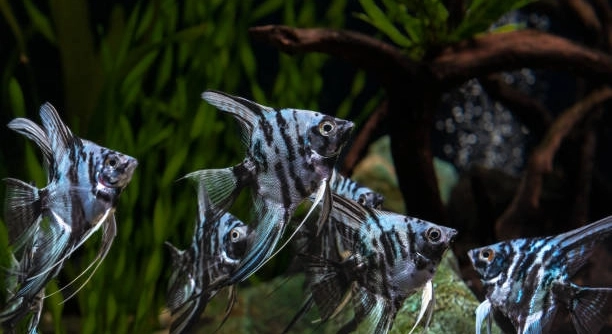
Angelfish are popular aquarium pets known for their vibrant colors. However, if you’ve noticed your angelfish losing color, it can be concerning. There are various reasons why this happens, and understanding them is key to fixing the issue.
Several factors can cause your angelfish to lose color, including poor water quality, stress, illness, and improper diet. Addressing these causes, such as improving water conditions and providing a balanced diet, will help restore their color.
Taking the right steps to address the problem will improve your angelfish’s appearance and health. Understanding how water quality and diet affect their vibrancy is essential for long-term well-being.
Poor Water Quality Can Cause Fading Colors
If the water in your aquarium is not properly maintained, it can lead to a loss of vibrancy in your angelfish. Fish are highly sensitive to changes in their environment, and poor water quality can cause stress, which in turn affects their color. Factors such as ammonia, nitrite, and nitrate levels can quickly build up if the aquarium is not cleaned regularly. When these harmful substances accumulate, your angelfish may appear dull or faded.
Water temperature, pH levels, and hardness also play a role. If the water is not at the ideal temperature or pH level, your angelfish may struggle to thrive, affecting their overall health. A dirty filter or lack of water changes will also contribute to these problems. A good rule of thumb is to change 10-15% of the water weekly and ensure proper filtration.
Water quality should always be monitored to ensure that it stays within the proper parameters. Testing kits can help keep track of important factors, and regular water changes can prevent the build-up of toxins.
Stress Can Drain Color from Your Angelfish
Stress is another common cause of your angelfish losing its color. Overcrowding, aggressive tank mates, or sudden changes in the environment can all lead to stress, causing the fish to lose its usual vibrancy.
Angelfish are peaceful creatures and thrive in calm environments. If there is too much movement in the tank or if they are constantly being chased by other fish, they may become stressed. Additionally, sudden changes in water temperature or the introduction of new tank mates can trigger stress responses. These stressors can lead to physical changes in their appearance, including color fading.
One way to reduce stress is by ensuring that your angelfish have enough space and are not exposed to any aggressive behavior from tank mates. Keeping your tank peaceful and stable will help your angelfish maintain its bright colors.
Illness Can Impact Their Appearance
Illness can also contribute to your angelfish losing its color. Diseases such as velvet, ich, or fin rot can result in noticeable changes to your fish’s appearance. When infected, the angelfish’s colors often fade, and they may appear lethargic. In some cases, they may develop lesions or spots on their bodies.
To prevent illness, it’s essential to quarantine new fish before introducing them into your main tank. Make sure your angelfish have a healthy diet, as malnutrition can make them more susceptible to diseases. Regularly observing your fish for any signs of illness will allow you to address issues before they become serious.
If you suspect your angelfish is sick, consult with a veterinarian who specializes in fish to get the proper treatment. Acting quickly will help restore both the health and color of your angelfish.
A Poor Diet Can Lead to Faded Colors
A poor diet can leave your angelfish looking dull and unhealthy. Just like with any pet, the right nutrition is essential for their well-being. Feeding your angelfish a diet lacking in essential nutrients will cause their colors to fade over time.
Your angelfish need a variety of foods to stay healthy. High-quality flakes or pellets should be supplemented with live or frozen foods such as brine shrimp or bloodworms. These foods are rich in nutrients that support vibrant colors. Fish that are underfed or fed poor-quality food may lack the necessary vitamins and minerals, leading to dull skin and poor overall health.
Incorporating a well-rounded diet into your angelfish’s care routine will not only help them regain their color but will also ensure that they remain active and healthy for years to come.
How to Fix These Issues and Restore Your Angelfish’s Color
Now that you know the possible reasons why your angelfish may be losing color, it’s time to take action. The first step is to ensure the water quality is up to par. Regular water changes, using a quality filter, and testing the water for harmful substances are essential steps to keeping the environment healthy for your fish.
Next, reduce any potential stress factors. Avoid overcrowding, and keep an eye out for any signs of aggression from other fish. Provide hiding spots and ensure the tank is well-suited for your angelfish’s needs. Reducing stress will go a long way in helping your angelfish regain its vibrancy.
Lastly, focus on their diet. Provide a variety of high-quality foods, and make sure your angelfish are getting the right nutrients. A balanced diet will help improve their overall health, including their color.
By addressing these factors, you’ll be on your way to helping your angelfish regain its stunning appearance. It may take some time, but with consistent care, you’ll see improvements in their color and overall health.
Improper Tank Setup Can Lead to Fading Colors
An improper tank setup can also be a key factor in your angelfish losing color. If the tank lacks appropriate decorations, lighting, or space, it can create a stressful environment. Angelfish need room to swim and areas where they can hide if they feel threatened. Overcrowding the tank or using the wrong types of decorations can cause them distress.
Lighting is another important aspect of your tank setup. Bright, harsh lighting can stress your fish, causing them to lose their color. Too little light, on the other hand, can affect their natural pigments. It’s essential to find a balance when setting up your tank.
Proper tank setup doesn’t just focus on water quality but also the comfort of the fish. A well-decorated tank with appropriate lighting, hiding spots, and enough swimming space will support your angelfish’s well-being and restore their color over time.
Genetics and Color Changes
Genetics play a role in the coloration of your angelfish. Some angelfish species naturally have more vibrant colors, while others may have more muted hues. If your angelfish has been in your care for a while and is gradually losing color, it could be a result of genetic factors rather than external conditions.
When breeding angelfish, genetics can have a significant impact on the offspring’s coloration. Some angelfish may have inherited genes that cause them to lose color faster than others. While you can’t change their genetics, it’s important to monitor their overall health to ensure they are not losing color due to other factors.
Understanding the genetic makeup of your angelfish will help you manage expectations. If you’ve done everything else right and they continue to lose color, their genetics might be at play.
Water Temperature Fluctuations
Sudden changes in water temperature can lead to your angelfish losing color. Angelfish thrive in a stable environment with a consistent temperature range of 76-82°F (24-28°C). Significant fluctuations can stress them and cause their colors to fade.
It’s crucial to maintain a steady water temperature by using a reliable heater. Check the temperature regularly to ensure it’s not too hot or too cold. Even minor shifts in temperature can cause your angelfish to become stressed, affecting their color. Avoid placing your tank in drafty areas or where sunlight can create temperature variations.
Maintaining a stable water temperature will help your angelfish stay healthy and vibrant. Consistency is key for both their well-being and their color retention.
Overfeeding and Its Effects
Overfeeding is a common issue that can contribute to a loss of color in angelfish. When you provide too much food, excess nutrients can pollute the water, leading to poor water quality. This negatively impacts your fish, causing stress and eventually color fading.
Angelfish are best fed small amounts two to three times a day. If food is left uneaten, it will decay, polluting the tank and affecting the water quality. Poor water conditions can, in turn, stress your angelfish, making their colors dull. Overfeeding also leads to obesity in fish, which can further harm their health.
Maintaining a proper feeding schedule ensures your fish remain healthy and vibrant. By avoiding overfeeding, you prevent the negative effects of poor water quality on your angelfish’s color.
Regular Tank Maintenance
Regular tank maintenance is essential to prevent your angelfish from losing color. Cleaning the tank, changing the water, and checking the filter regularly are all important steps in maintaining a healthy environment for your fish.
Dirty tanks with decaying food or waste can quickly lead to a buildup of harmful toxins in the water. This stress can cause your angelfish’s color to fade. In addition to changing the water regularly, clean the filter and check the water parameters frequently. The health of the water directly affects the health and appearance of your angelfish.
Routine maintenance ensures your angelfish live in a clean, safe environment. Proper upkeep is key to preserving their color and overall well-being.
FAQ
Why is my angelfish turning pale?
There are several reasons why your angelfish might be turning pale. Poor water quality, stress, improper lighting, and a poor diet are the most common factors. Make sure to test your water regularly, keep the tank clean, and ensure your angelfish is fed a balanced diet. Stress from overcrowding or aggressive tank mates can also cause this issue. To restore their color, maintain proper water conditions and reduce any stressors in the tank.
How can I prevent my angelfish from losing color?
To prevent your angelfish from losing color, it’s important to focus on tank maintenance and water quality. Regular water changes and using a reliable filtration system help maintain a healthy environment. Also, ensure that your angelfish are not stressed by overcrowding or aggressive tank mates. Proper lighting and a balanced diet will also contribute to keeping their vibrant colors.
Can poor water quality cause angelfish to lose color?
Yes, poor water quality is a major cause of angelfish losing their color. Ammonia, nitrites, and nitrates can build up in the tank if it is not cleaned regularly, leading to stress and color fading. Make sure to test the water regularly and perform water changes to keep harmful substances in check. Proper filtration also helps maintain clean water for your angelfish.
Does overfeeding affect the color of my angelfish?
Overfeeding can indirectly affect the color of your angelfish. Leftover food decays and contaminates the water, leading to poor water quality. This causes stress for the fish, which can lead to color loss. Feed your angelfish only the amount they can eat in a few minutes and remove any uneaten food promptly. This helps maintain clean water and reduces stress, promoting vibrant color.
How does stress affect the color of my angelfish?
Stress is one of the most common causes of color loss in angelfish. When your fish feel threatened by overcrowding, aggressive tank mates, or sudden changes in their environment, their color may fade. Stress weakens their immune system, making them more susceptible to illness, which can also lead to a loss of color. To reduce stress, provide a peaceful tank with plenty of space and hiding spots.
Can illness cause my angelfish to lose color?
Yes, illness can cause your angelfish to lose color. Diseases such as velvet, ich, or fin rot can make the fish appear pale or dull. These illnesses often cause physical damage to the fish, which affects its coloration. If you notice any signs of illness, such as lesions or white spots, it’s important to isolate the affected fish and seek proper treatment to restore their health and color.
What is the ideal water temperature for angelfish?
Angelfish thrive in temperatures between 76°F and 82°F (24°C and 28°C). If the water temperature fluctuates too much, it can cause stress, which may lead to a loss of color. Using a heater to maintain a stable temperature is essential for their well-being. Regularly check the water temperature to make sure it stays within the recommended range.
Does lighting affect the color of my angelfish?
Yes, lighting can affect the color of your angelfish. Harsh lighting can cause stress and make their colors fade. On the other hand, too little light can make their colors look dull. Use soft, natural lighting or low-intensity aquarium lights to create a balanced environment that helps your angelfish maintain their vibrant hues. Keep the tank away from direct sunlight to avoid temperature fluctuations and stress.
How often should I change the water in my angelfish tank?
Water changes are essential to keeping your angelfish healthy and vibrant. You should change 10-15% of the water in the tank every week. This helps remove toxins, excess nutrients, and waste that can affect water quality. Performing regular water changes also prevents the build-up of harmful substances, reducing the risk of stress and color loss in your fish.
Can genetics cause angelfish to lose color?
Genetics can influence the color of your angelfish. Some angelfish species are naturally more vibrant, while others may have more muted colors. If your angelfish has been losing color despite good water quality and a healthy diet, it may be due to genetic factors. While you can’t change their genetics, maintaining optimal tank conditions can help them retain their color for longer.
What should I feed my angelfish to keep their color vibrant?
To maintain vibrant color in your angelfish, provide a varied and balanced diet. High-quality flakes or pellets should be supplemented with live or frozen foods such as brine shrimp, bloodworms, or daphnia. These foods are rich in nutrients that help enhance the coloration of your fish. A well-rounded diet supports overall health and keeps their colors bright.
How can I reduce stress in my angelfish?
To reduce stress in your angelfish, ensure that they have enough space and avoid overcrowding. Keep peaceful tank mates that won’t bully your angelfish. Also, avoid sudden changes in the tank, such as drastic water temperature shifts or moving decorations. Providing hiding spots and creating a calm environment will help your angelfish feel more secure, reducing stress and maintaining their color.
Can I use aquarium treatments to restore my angelfish’s color?
Aquarium treatments can help address specific issues that may be causing your angelfish to lose color, such as illness or poor water quality. However, they should not be relied upon solely to restore color. The key to vibrant fish is consistent tank maintenance, proper water conditions, and a balanced diet. If your angelfish’s color loss is due to illness, use appropriate treatments, but always focus on improving the overall environment for long-term health and color retention.
Can water hardness affect the color of my angelfish?
Yes, water hardness can affect the color of your angelfish. Angelfish prefer water that is soft to moderately hard, with a pH between 6.5 and 7.5. If the water is too hard or alkaline, it can stress your fish, leading to color loss. Regularly test the water’s hardness and adjust it as needed using water conditioners to keep your angelfish healthy and vibrant.
Final Thoughts
Angelfish are beautiful, vibrant creatures that can add color and life to any aquarium. However, when their color starts to fade, it can be a sign that something is wrong. It is essential to identify the cause of the color loss so that you can take appropriate action. By paying attention to factors like water quality, stress levels, diet, and lighting, you can help your angelfish maintain their vibrant colors and overall health. A little bit of care and observation goes a long way in keeping your fish happy and healthy.
If your angelfish is losing color, don’t panic. Start by checking the water conditions and ensuring that they are within the ideal range for angelfish. Ammonia, nitrites, and nitrates should be kept at low levels, and the water temperature should be stable. Regular water changes and the use of a reliable filtration system are crucial in maintaining a healthy environment. Stress is another major factor that can affect your angelfish’s color, so it is important to minimize overcrowding and avoid tank mates that may cause aggression. Ensuring that your angelfish has plenty of space and hiding spots can reduce stress and help them retain their color.
Finally, providing a balanced diet is key to keeping your angelfish vibrant. Feeding them a mix of high-quality flakes or pellets along with live or frozen foods will ensure they get the nutrients they need. Overfeeding can lead to poor water quality, so make sure to remove any uneaten food and avoid overfeeding. With proper care and attention to water quality, stress levels, and diet, your angelfish will thrive and retain their beautiful colors. Remember, maintaining a stable and healthy environment is the best way to prevent any color loss and keep your fish healthy for years to come.

Hello,
If you enjoy the content that we create, please consider saying a "Thank You!" by leaving a tip.
Every little bit helps us continue crafting quality advice that supports the health, happiness, and well-being of pets around the world, for pets of all shapes, sizes, and species.
We really appreciate the kindness and support that you show us!