
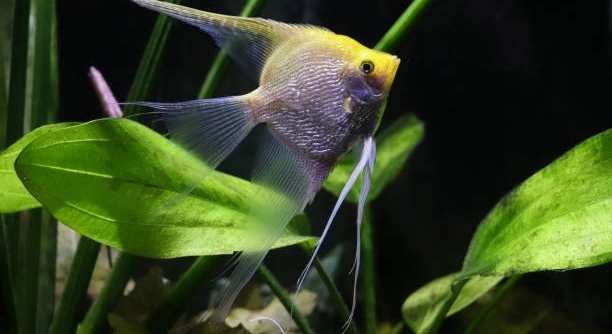
Angelfish are beautiful and graceful creatures that are often a delight to keep in home aquariums. However, when their fins are clamped, it can be a sign of stress or illness. Understanding the cause is key to helping them recover.
Finned clamping in angelfish typically occurs due to poor water quality, injury, or stress from overcrowding or improper tank mates. Addressing these issues can help restore their health. Regular water changes and proper care are essential for their well-being.
By identifying the causes and taking the right steps, you can help your angelfish regain their health and vitality.
Water Quality Issues
Water quality is one of the most common reasons why angelfish’s fins might clamp. Poor water conditions, such as high ammonia or nitrite levels, can cause stress, leading to clamped fins. It’s crucial to test the water regularly for these harmful chemicals and adjust them accordingly. Proper filtration and consistent water changes are essential to maintaining a healthy environment for your fish.
If your angelfish is living in water that’s not properly filtered, toxins can build up, causing stress. Ammonia and nitrites are especially harmful to aquatic life, even in small amounts. Keeping water clean and balanced ensures your angelfish stay healthy and calm.
Regular water changes should be done at least once a week. Aim for a 25% water change to prevent any build-up of harmful substances. Along with a good filtration system, this will help keep your angelfish’s fins from clamping due to poor water quality.
Tank Size and Space
Overcrowding your tank can contribute to stress, which may lead to fin clamping in your angelfish. Providing ample space is essential to prevent territorial conflicts. It’s best to follow recommended tank sizes to ensure the well-being of your fish.
When angelfish are placed in cramped conditions, they are more likely to feel threatened. This can cause them to retract their fins, a sign of fear or discomfort. A larger tank provides room to swim freely and reduces the chance of conflict with tank mates.
Tank Mates
Angelfish can be sensitive to certain tank mates, which can lead to stress and clamped fins. It’s important to choose compatible species that won’t harass or nip at them. Aggressive or overly active fish can make angelfish feel unsafe in their environment.
If your tank mates are overly aggressive or territorial, they might bully your angelfish, causing them to hide or retract their fins. Avoid fish that are known to nip fins or provoke others. Peaceful fish, such as tetras or guppies, are often the best tank mates. The right environment encourages angelfish to swim freely and stay healthy.
When choosing tank mates, always consider the size, temperament, and activity level of the other fish. Keeping peaceful, non-threatening species together helps reduce stress. It’s vital to regularly monitor interactions and remove any aggressive fish if necessary. This will allow your angelfish to feel secure in their home.
Injury or Illness
Injury or illness can also lead to clamped fins in angelfish. Fish can hurt themselves by bumping into objects, fighting with other fish, or simply navigating a crowded tank. Illnesses like fin rot can cause similar symptoms.
When an angelfish is injured, it will often retract its fins as a defense mechanism to avoid further pain or damage. If the injury is mild, they may recover with time and proper care. However, if the injury or infection persists, it’s important to treat the fish promptly. Regularly inspect your angelfish for any visible signs of injury.
If your angelfish’s fins are clamped along with other symptoms like lesions, discoloration, or loss of appetite, the fish could be ill. In such cases, isolating the affected fish in a hospital tank and administering the right medication can help speed up recovery. Ensure the tank environment is clean and stress-free to support healing.
Temperature Fluctuations
Angelfish are sensitive to changes in water temperature. Rapid fluctuations can cause them stress, leading to clamped fins. Keeping the tank at a stable temperature, ideally between 76°F and 80°F (24°C – 27°C), is crucial for their health.
Sudden temperature changes can occur due to heating failures, improper placement of the tank, or environmental changes. Angelfish will show signs of distress when exposed to these shifts. A reliable heater and thermometer are necessary to maintain consistent temperatures, preventing your angelfish from becoming stressed and allowing them to thrive in their environment.
Water Chemistry
Angelfish are particularly sensitive to water chemistry, especially pH levels. If the water is too acidic or alkaline, they may react with fin clamping. Regularly check the pH and make adjustments to ensure it’s within the 6.5 to 7.5 range.
Poor water chemistry can impact an angelfish’s overall health. Sudden changes in pH, hardness, or alkalinity can cause stress, affecting their ability to swim freely. Ensure that your water is properly balanced and that you make gradual adjustments if necessary. Regular water tests and proper equipment will help keep your angelfish comfortable.
Poor Diet
A poor diet can also contribute to fin clamping. If your angelfish aren’t receiving the necessary nutrients, they can become weak and stressed. Ensure they are eating a balanced diet of high-quality pellets, flakes, and occasional live or frozen foods.
An angelfish’s diet plays a significant role in its overall health. A lack of proper nutrients can lead to weakness, dull coloration, and clamped fins. Offering a variety of foods, including protein-rich options, helps boost their immune system and energy levels. Consider adding supplements like spirulina to support their health and well-being.
FAQ
Why are my angelfish’s fins clamped?
Clamped fins in angelfish are typically a sign of stress. This stress could be caused by poor water quality, unsuitable tank mates, or even injury. Environmental factors, such as temperature fluctuations or improper water chemistry, can also lead to this condition. When angelfish are stressed, they retract their fins in an attempt to protect themselves.
How can I fix clamped fins in my angelfish?
The first step is to address the underlying cause of stress. If the water quality is poor, perform a water change and test for ammonia, nitrites, and nitrates. Make sure the water temperature is stable and within the recommended range of 76°F to 80°F (24°C to 27°C). If your angelfish are living with aggressive tank mates, consider removing them or adjusting the tank environment. If necessary, isolate the fish and treat them for any injury or illness.
Can poor water quality cause clamped fins?
Yes, poor water quality is one of the most common causes of clamped fins in angelfish. Ammonia, nitrites, or high levels of nitrates can cause severe stress, leading to clamped fins. Regular water changes and proper filtration are essential to prevent water quality issues and keep your angelfish healthy.
What tank temperature is best for angelfish?
Angelfish prefer water temperatures between 76°F and 80°F (24°C to 27°C). Keeping the tank within this range will help ensure your angelfish remain comfortable and stress-free. Sudden changes in temperature can cause stress, so it’s important to maintain a stable environment.
Can tank mates cause clamped fins in angelfish?
Yes, tank mates can contribute to stress in angelfish. Aggressive or overly active fish may intimidate or fight with angelfish, causing them to clamp their fins. It’s essential to choose peaceful, non-aggressive species as tank mates for your angelfish to avoid this issue.
How often should I change the water in my angelfish tank?
Water changes should be done at least once a week. Aim for 25% to 30% of the tank’s water volume to be replaced. Regular water changes help maintain water quality, reduce stress, and ensure that your angelfish have a clean and healthy environment to live in.
Can illness cause clamped fins in angelfish?
Yes, illnesses like fin rot, parasites, or internal infections can cause angelfish to clamp their fins. If your angelfish shows other symptoms like discoloration, lesions, or loss of appetite, it’s important to isolate the affected fish and treat them with the appropriate medication.
How can I tell if my angelfish is stressed?
Stressed angelfish often exhibit clamped fins, hiding, or swimming erratically. They may also refuse to eat or display unusual behavior, such as scraping against tank decorations. Stress can result from poor water quality, overcrowding, or aggressive tank mates, so it’s essential to identify the cause.
Should I feed my angelfish differently if they have clamped fins?
While clamped fins are typically a sign of stress or illness, providing a nutritious and varied diet is always beneficial. Offer high-quality pellets, flakes, and occasional live or frozen foods to support their immune system. Avoid overfeeding, as excess food can deteriorate water quality.
What should I do if my angelfish gets injured?
If your angelfish is injured, isolate it in a hospital tank to reduce stress from other fish. Ensure the water is clean and temperature-controlled. If the injury appears serious, you may need to treat the wound with salt or a specialized aquarium medicine. Allow the angelfish to recover in a calm, stress-free environment.
Can fin rot cause clamped fins in angelfish?
Yes, fin rot is a common cause of clamped fins. This bacterial infection affects the fins and can lead to their deterioration. Early detection and treatment are crucial. If you notice symptoms like frayed or discolored fins, isolate the angelfish and treat them with an antibacterial solution.
How can I prevent my angelfish from getting stressed?
To prevent stress, ensure that the tank environment is stable. This means maintaining clean water, providing enough space, and choosing compatible tank mates. Regularly check water quality and temperature to avoid fluctuations. A peaceful, well-maintained environment will keep your angelfish healthy and reduce stress.
How long does it take for clamped fins to heal?
The time it takes for clamped fins to heal depends on the cause of the stress. If it’s due to water quality issues, it can take a few days to a week after corrective actions. If illness or injury is involved, healing may take longer, requiring proper treatment and a stress-free environment.
Is it normal for angelfish to clamp their fins occasionally?
Occasionally, angelfish may clamp their fins temporarily, especially if they are startled or experiencing a minor disruption. However, if clamped fins persist for more than a few days, it’s a sign that something is wrong with their environment, health, or care.
What should I do if my angelfish is hiding and has clamped fins?
If your angelfish is hiding and has clamped fins, it could be stressed, ill, or injured. First, check the water quality, temperature, and tank mates. If the water is fine, consider whether the fish has been harassed by other tank mates. If needed, isolate the angelfish in a hospital tank and monitor its health.
Can high ammonia levels cause clamped fins in angelfish?
Yes, high ammonia levels are toxic to fish and can cause clamped fins, among other symptoms like lethargy and loss of appetite. Regular water testing and maintenance, such as water changes and proper filtration, are essential to prevent ammonia buildup and keep your angelfish healthy.
Is clamped fins in angelfish always a sign of illness?
Clamped fins are not always a sign of illness, but they often indicate stress. It could be due to poor water quality, temperature fluctuations, or aggression from tank mates. However, if clamped fins persist, it’s essential to check for signs of illness or injury.
Final Thoughts
Clamped fins in angelfish are a sign that something is wrong with their environment or health. It’s important to address the issue as soon as you notice it, as it can lead to further complications if left untreated. Stress from factors like poor water quality, temperature fluctuations, or unsuitable tank mates can all cause clamped fins. Identifying and correcting the cause is the first step to helping your angelfish recover. Ensuring that the tank is clean, stable, and properly maintained will go a long way in keeping your fish happy and healthy.
Sometimes, the solution to clamped fins is as simple as making adjustments to the water conditions or removing aggressive tank mates. However, if the problem persists or if you notice other symptoms like loss of appetite or discoloration, it might be time to isolate the fish and consult with a veterinarian or aquarium expert. In cases of illness, timely treatment with appropriate medication can help prevent further damage to your angelfish. A stress-free environment, along with a proper diet and regular tank maintenance, can help prevent clamped fins from becoming a recurring problem.
The health of your angelfish is ultimately in your hands. By closely monitoring water quality, temperature, and tank conditions, you can create a stable environment that minimizes stress and promotes their overall well-being. Regular water changes, proper filtration, and monitoring for signs of illness are key to maintaining a healthy aquarium. Clamped fins should not be ignored, but with the right care, your angelfish can recover and return to their normal behavior. Healthy, happy angelfish will thrive in an environment that supports their needs, ensuring they live a long and vibrant life in your aquarium.

Hello,
If you enjoy the content that we create, please consider saying a "Thank You!" by leaving a tip.
Every little bit helps us continue crafting quality advice that supports the health, happiness, and well-being of pets around the world, for pets of all shapes, sizes, and species.
We really appreciate the kindness and support that you show us!