
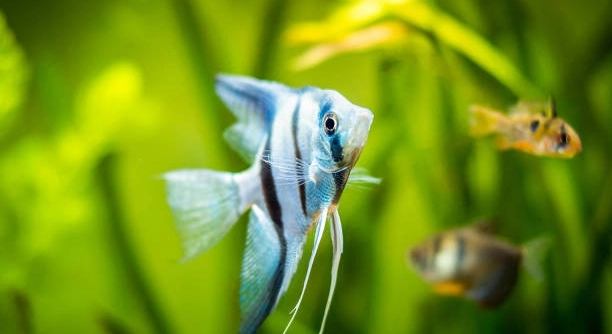
Angelfish are beautiful, peaceful creatures that are popular in aquariums. If you notice your angelfish gasping at the surface, it may signal an issue that needs attention. This behavior can be caused by various factors.
The most common reasons for angelfish gasping at the surface are poor water quality, low oxygen levels, high water temperature, or illness. Ensuring a clean tank with proper filtration, aeration, and temperature control can prevent these issues.
Taking steps to improve your angelfish’s environment can make a big difference in its health and comfort. Keep reading to learn the best ways to fix this issue.
Poor Water Quality
Angelfish are sensitive to water conditions, and poor water quality is a common reason for gasping at the surface. If the water in your tank contains high levels of ammonia, nitrites, or nitrates, it can be harmful to your fish. These toxins can build up when the tank isn’t properly maintained, causing stress for your angelfish. If the water is too dirty or the filtration system is inadequate, your angelfish will struggle to get enough oxygen, leading to gasping.
Maintaining regular water changes and monitoring water quality is key to preventing this issue. Use a water test kit to keep an eye on ammonia, nitrite, and nitrate levels. Aim for ammonia and nitrite levels at zero, with nitrates below 20 ppm.
In addition to regular water changes, ensure your filtration system is running efficiently. A good filter will help remove harmful toxins from the water and provide your angelfish with a healthier environment. This simple step can prevent many health problems for your fish.
Oxygen Levels
Low oxygen levels in the tank can cause your angelfish to gasp for air. This typically occurs when there is insufficient water movement or aeration. Without proper oxygen exchange, your fish will struggle to breathe. The lack of movement in the water can also cause toxins to accumulate, further stressing your fish.
Adding an air pump or adjusting the water filter to increase water circulation can improve oxygen levels in the tank. An air stone is a simple, effective solution to increase aeration.
High Water Temperature
When the water temperature is too high, it can reduce oxygen levels in the tank, causing your angelfish to gasp for air. Fish rely on cooler water to maintain a healthy oxygen supply. If the tank temperature exceeds 80°F (27°C), your angelfish may become stressed and show signs of gasping.
To maintain the right temperature, invest in an aquarium heater with a thermostat. Set the temperature between 75-80°F (24-27°C). If your tank is exposed to direct sunlight or near a heat source, try moving it to a cooler location to prevent overheating.
Be mindful of the temperature fluctuations that can occur, especially in tropical fish tanks. If you find the water consistently too warm, consider adding a cooling fan or adjusting your heater. Keeping the water temperature stable and within the ideal range helps keep your fish comfortable.
Illness or Parasites
Illnesses or parasites can also cause your angelfish to gasp at the surface. If your fish are infected with parasites like gill flukes or have internal infections, they may have difficulty breathing. These conditions can lead to gasping as they struggle to get enough oxygen.
To check for illness, look for other symptoms such as faded colors, lesions, or abnormal behavior. If you suspect your angelfish is sick, consult a veterinarian who specializes in fish care. They can help diagnose the issue and recommend treatment options. It’s essential to act quickly to avoid further complications.
Overcrowding in the Tank
Overcrowding can lead to increased competition for oxygen and cause stress, leading your angelfish to gasp at the surface. If the tank is too small for the number of fish, it can reduce water quality and cause problems for your angelfish.
Always ensure your tank has enough space for the fish. A good rule of thumb is one inch of fish per gallon of water. Overcrowding stresses the fish, making it harder for them to thrive. Monitor the fish load and remove any excess or add a larger tank if needed.
Poor Filtration
A poor filtration system can cause a buildup of harmful waste products, affecting water quality and oxygen levels. If the filter is not functioning well or is too small for the tank, it won’t be able to keep the water clean enough for your angelfish.
Make sure your filter is powerful enough for the size of your tank. Regularly clean the filter to maintain its efficiency. A good filtration system helps to maintain water clarity, reduce toxins, and improve oxygen levels, promoting better overall health for your angelfish.
Sudden Water Changes
Large or sudden changes in water parameters, like pH, hardness, or temperature, can shock your angelfish and cause stress. This may result in them gasping for air. Stability is key for aquatic life.
Perform gradual water changes to avoid sudden shifts. Use a water conditioner to ensure the new water matches the tank’s parameters.
FAQ
Why is my angelfish gasping at the surface?
Gasping at the surface is usually a sign of oxygen deficiency or poor water quality. If your angelfish are not getting enough oxygen, they may swim near the surface to get more air. It’s crucial to check the water quality, ensure proper filtration, and maintain optimal oxygen levels by increasing water movement with an air stone or improving circulation.
What is the ideal water temperature for angelfish?
Angelfish prefer a temperature between 75-80°F (24-27°C). Temperatures outside this range can stress them and lead to health issues. If the water is too warm, it reduces oxygen levels, and if it’s too cold, it can make the fish sluggish. Use a reliable heater to maintain a stable temperature.
How can I improve oxygen levels in my tank?
To improve oxygen levels, increase water circulation using an air pump or a filter with adjustable flow. Adding an air stone will help oxygenate the water. You can also ensure the tank is not overcrowded, as too many fish consume oxygen faster. Regular water changes also contribute to a healthier oxygen level.
Can a dirty tank cause angelfish to gasp for air?
Yes, a dirty tank can lead to poor water quality, which affects oxygen levels and overall fish health. Over time, waste, uneaten food, and debris can accumulate, creating toxins in the water that make it harder for your angelfish to breathe. Clean your tank regularly and maintain proper filtration.
What is the best filtration system for an angelfish tank?
The best filtration system for an angelfish tank is one that is appropriate for the tank size. A filter should provide mechanical, biological, and chemical filtration. Canister filters or hang-on-back filters are popular options. Make sure the filter isn’t too powerful to avoid creating strong currents that may stress your fish.
How often should I perform water changes in my angelfish tank?
It’s recommended to change 25-30% of the water every week. This helps maintain water quality by removing waste and toxins. You should also test the water regularly to monitor ammonia, nitrites, and nitrates. Adjust water changes as needed based on the tank’s water parameters.
Can illness cause my angelfish to gasp for air?
Yes, illnesses like gill flukes or internal infections can cause difficulty in breathing, leading your angelfish to gasp. If your fish show other signs of illness, such as faded colors, lesions, or abnormal behavior, it’s essential to treat the condition promptly. Consult a veterinarian if needed.
How do I know if my angelfish is stressed?
Stress in angelfish can be indicated by behaviors like erratic swimming, hiding, or gasping for air. Stress can stem from overcrowding, poor water quality, sudden temperature changes, or bullying by other fish. Identifying the cause of stress and addressing it promptly is essential for your angelfish’s well-being.
Can overcrowding cause angelfish to gasp at the surface?
Yes, overcrowding reduces available oxygen in the tank, making it harder for your angelfish to breathe. Too many fish in a small tank also stress the fish and lead to poor water quality. Ensure that your tank has enough space, generally one inch of fish per gallon of water.
Why is my angelfish gasping more during the night?
At night, oxygen levels in the tank can naturally drop, especially if the plants in the tank aren’t producing enough oxygen. This drop can cause your angelfish to gasp more frequently. Consider adding more oxygenation or improving circulation to keep oxygen levels stable during the night.
Can low pH levels cause my angelfish to gasp?
Yes, angelfish are sensitive to changes in pH, and very low or high pH levels can cause them stress and affect their ability to breathe properly. Maintaining a stable pH between 6.5 and 7.5 is ideal for angelfish. Use a pH testing kit to monitor the levels regularly.
Can parasites cause my angelfish to gasp for air?
Parasites like gill flukes can infect the gills of your angelfish, making it harder for them to breathe and causing them to gasp at the surface. If you suspect parasites, consult an aquarium vet for appropriate treatment. Regularly check your fish for signs of infection to catch these problems early.
How can I prevent gasping in my angelfish?
To prevent gasping, maintain good water quality by regularly cleaning the tank, performing water changes, and using a proper filtration system. Avoid overcrowding the tank and keep the temperature and oxygen levels stable. Regularly check for signs of illness and address any problems quickly.
Final Thoughts
Angelfish gasping at the surface is a clear sign that something isn’t right in the tank. Whether it’s due to low oxygen levels, poor water quality, or illness, it’s important to identify the cause quickly to help your fish recover. If your angelfish is constantly gasping, it’s essential to look at the tank’s environment. Check the water temperature, pH levels, and oxygenation. In many cases, making a few adjustments to the tank can resolve the issue.
Maintaining a stable and clean environment is key to keeping your angelfish healthy. Regular water changes, a good filtration system, and proper tank size are all factors that can reduce the likelihood of gasping. Monitoring the fish’s behavior and water quality will help you address potential problems before they worsen. Remember that angelfish are sensitive creatures, so small changes in their environment can have a significant impact on their well-being. Consistently checking water parameters can prevent a lot of health issues.
If you’re dealing with ongoing issues despite making adjustments, it’s a good idea to consult with an aquarium specialist or veterinarian. In some cases, diseases or parasites can cause your fish to gasp, and professional advice can help guide you to the right treatment. Keeping your angelfish healthy involves a combination of proper care, regular maintenance, and attention to any changes in their behavior. By being proactive, you can ensure your angelfish remain healthy and happy for years to come.

Hello,
If you enjoy the content that we create, please consider saying a "Thank You!" by leaving a tip.
Every little bit helps us continue crafting quality advice that supports the health, happiness, and well-being of pets around the world, for pets of all shapes, sizes, and species.
We really appreciate the kindness and support that you show us!