
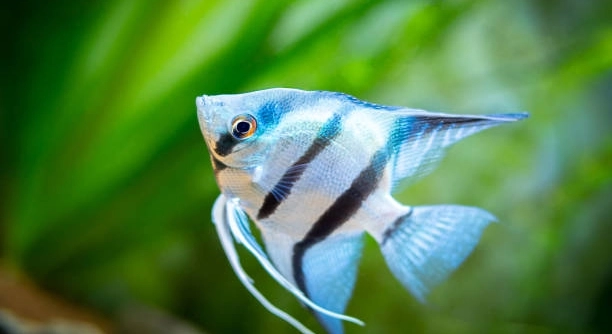
Angelfish are known for their bright, colorful appearance, making them a popular choice for aquarium enthusiasts. However, it can be concerning when their vibrant hues start to fade or change, especially when they turn black.
The blackening of angelfish is often caused by several factors, including stress, water quality issues, or even health problems like diseases or parasites. It’s important to identify the underlying cause to ensure proper care and treatment.
By exploring the most common reasons behind this change, you can better understand how to care for your angelfish and restore its health. Let’s take a closer look at the possibilities.
Stress and Anxiety
Angelfish are sensitive creatures that can easily get stressed, especially if there are sudden changes in their environment. This stress can lead to a change in their color, including darkening or black spots on their body. Things like new tankmates, too much noise, or frequent movement around the aquarium can make them uneasy. Changes in water temperature or even the way the tank is cleaned can also contribute to stress. Angelfish need a peaceful and stable environment to thrive, so it’s essential to maintain consistency in their care routine.
Even small disturbances can have a big impact on their behavior and appearance. Angelfish tend to respond to stressful conditions by becoming darker. In most cases, once the stress is reduced or the environment returns to a more stable condition, their color should begin to improve.
To minimize stress, avoid rearranging the tank often and be mindful of sudden changes in their environment. Giving them a quiet and secure space can help prevent further stress-related issues, including the blackening of their scales.
Poor Water Quality
Water quality is one of the most common factors affecting angelfish health. If the water in the tank is too dirty or has high levels of ammonia, nitrates, or nitrites, your angelfish may experience stress, which leads to darkening. Inadequate filtration or neglecting regular water changes can quickly cause these issues.
Regularly testing water parameters, such as pH, ammonia, and nitrate levels, is crucial for keeping your angelfish healthy. Poor water quality often weakens their immune system, making them more susceptible to diseases that can cause dark spots or overall color change.
Illness or Disease
Illnesses like velvet disease, black spot disease, or ich can cause angelfish to turn black. These diseases often result from poor water conditions, stress, or the introduction of sick fish into the tank. If your fish suddenly darkens or shows signs of lesions, it’s important to act quickly.
The appearance of black spots or an overall darkening could indicate a parasitic infection. When angelfish are infected, they might also exhibit other symptoms like sluggishness, loss of appetite, or clamped fins. Monitoring their behavior closely will help you spot these issues early.
Infected angelfish should be treated promptly with the correct medications. Quarantine any affected fish to prevent the disease from spreading to others in the tank. You may also need to improve the water quality and temperature to promote healing.
Overfeeding
Overfeeding your angelfish can lead to several health problems, including water quality issues. Leftover food decomposes in the tank, increasing the levels of ammonia and nitrites, which can stress your fish and cause them to darken. Additionally, overfeeding can lead to obesity, which impacts their overall health.
To avoid overfeeding, it’s important to give your angelfish only as much food as they can consume in a few minutes. A regular feeding schedule helps keep their diet balanced and prevents excess food from polluting the water. Keep a close eye on how much they are eating and remove any uneaten food promptly.
Healthy angelfish will show vibrant colors and stay active when they are fed the right amount of food. Monitoring their diet and water quality ensures their health and appearance remain in good condition.
Water Temperature
Fluctuations in water temperature can cause stress and affect the health of your angelfish. If the temperature is too high or too low, your fish might become discolored or darken in response. Consistent water temperature is crucial for their well-being.
Angelfish thrive best in water that ranges between 76°F to 82°F (24°C to 28°C). Sudden changes in temperature can trigger stress, which leads to color changes. Ensure your tank has a reliable heater and thermometer to maintain a steady temperature. This stability helps keep your angelfish healthy and colorful.
Tank Size
Angelfish require ample space to swim and explore. A tank that is too small can lead to stress and territorial behavior, causing your fish to darken. A cramped environment makes it harder for them to feel safe and secure.
A 20-gallon tank is a minimum for a pair of angelfish. If you have multiple fish, you’ll need an even larger tank to prevent crowding. When given enough space, angelfish will feel more comfortable, which can help restore their natural color and improve their overall health.
Genetics
Sometimes, angelfish may turn black due to genetic factors. Some fish naturally have darker pigmentation due to their breeding lineage. This isn’t a health concern, but rather just a genetic trait that makes them appear different from other angelfish.
If your fish’s black color appears gradually over time without any signs of stress or illness, it might simply be a result of its genetic background. In this case, there’s nothing to worry about, and the fish will continue to be healthy.
FAQ
Why is my angelfish turning black after being introduced to new tank mates?
Introducing new fish into your aquarium can sometimes lead to stress for your angelfish. The presence of unfamiliar tank mates can cause them to feel threatened, leading to darker coloring as a sign of distress. Angelfish are territorial by nature, and the sudden introduction of other fish may disrupt their environment, triggering stress responses. To minimize this, it’s important to introduce new fish gradually and ensure that the tank is spacious enough for everyone to have their own space. If this behavior persists, it may be helpful to rearrange the tank or give the fish more time to adjust.
Could poor filtration cause my angelfish to turn black?
Yes, poor filtration can lead to poor water quality, which may cause stress and health issues for your angelfish, resulting in darkened coloring. A filter that isn’t working properly or is too small for the size of your tank may not adequately remove harmful toxins like ammonia or nitrites. These toxins can irritate your angelfish, making them more likely to develop darker hues or spots. Make sure your filtration system is appropriate for the size of your tank, and clean the filter regularly to ensure it operates efficiently.
Can overfeeding affect the color of my angelfish?
Overfeeding can definitely affect the color of your angelfish. Excess food left in the tank breaks down and contributes to poor water quality, which can stress the fish. This stress can cause them to become darker in color. Additionally, overfeeding leads to excess waste and higher levels of harmful substances like ammonia in the water. To prevent this, feed your angelfish only what they can consume in 2-3 minutes and remove any uneaten food promptly. Regular water changes will also help keep the water clean and reduce stress on your fish.
How can I reduce stress to prevent my angelfish from turning black?
To reduce stress, start by maintaining stable water conditions, including proper temperature, pH, and water hardness. Avoid sudden changes in the tank’s environment, such as rearranging decorations or introducing new fish too quickly. Angelfish are also sensitive to noise and movement, so keeping the tank in a calm, quiet area can help minimize stress. Make sure the tank is large enough for the fish to swim freely, and that they have adequate hiding places to feel secure. Providing them with a consistent, peaceful environment will allow them to thrive.
Is it possible for my angelfish to turn black due to genetic factors?
Yes, some angelfish naturally have darker pigmentation due to genetic factors. These fish may gradually develop darker hues or black spots as part of their natural color variation. If your angelfish turns black without any other signs of illness, stress, or poor water quality, it could simply be due to its genetic makeup. In this case, there’s nothing to worry about, and the fish will remain healthy despite the color change. Understanding the genetic traits of your angelfish can help you better assess their condition.
Can diseases cause my angelfish to turn black?
Certain diseases, such as velvet disease or black spot disease, can cause angelfish to develop dark spots or turn black. These conditions are often linked to poor water quality, but they can also be transmitted through infected fish. If you notice any unusual black spots or your angelfish becoming darker overall, you should inspect for other signs of illness, such as lethargy, loss of appetite, or abnormal swimming. Treating the disease with the appropriate medication, improving water conditions, and isolating sick fish from healthy ones can help prevent the spread of illness.
Can water temperature fluctuations cause my angelfish to turn black?
Yes, temperature fluctuations can cause stress and result in your angelfish turning black. Angelfish prefer a stable water temperature between 76°F and 82°F (24°C to 28°C). If the water becomes too hot or too cold, it can stress the fish, leading to color changes. Additionally, sudden temperature changes from water changes or heater malfunctions can exacerbate this problem. To avoid this, maintain a steady temperature in the tank using a reliable heater and thermometer, and try to avoid drastic temperature changes when performing water changes.
How can I tell if my angelfish is sick or just stressed?
The main way to differentiate between illness and stress in your angelfish is by observing additional symptoms. Sick angelfish may show signs like lethargy, clamped fins, abnormal swimming patterns, or visible lesions on their body. Stress, on the other hand, usually results in darkening color, but the fish will remain active and eat normally. If your angelfish is exhibiting unusual behavior or physical signs of illness along with the color change, it’s likely a health issue that requires treatment. If the color change is accompanied by stress signs only, try to improve the environment to reduce stress.
Can my angelfish recover from turning black due to stress or poor water quality?
Yes, if your angelfish is turning black due to stress or poor water quality, it is possible for them to recover once the underlying issue is resolved. By improving water quality, reducing stress, and maintaining a stable environment, your angelfish should regain its natural color over time. Make sure to perform regular water changes, monitor tank parameters, and give your angelfish plenty of space to swim and feel secure. If the darkening is caused by a temporary stressor, such as new tank mates or a sudden change in water conditions, giving them time to adjust can also help restore their color.
Final Thoughts
Angelfish are beautiful and relatively easy to care for, but like all aquarium fish, they require specific conditions to stay healthy and vibrant. If you notice that your angelfish is turning black or displaying darker colors, it’s important to pay attention to the possible causes. While stress, poor water quality, and illness are the most common reasons, sometimes it can simply be a genetic trait. Identifying the cause early on can help you address the problem before it affects your fish’s overall health.
Maintaining proper water quality, temperature, and tank conditions is essential for the well-being of your angelfish. Regular water changes, adequate filtration, and monitoring water parameters like ammonia, nitrates, and pH levels will go a long way in keeping your fish healthy. Stress can come from many sources, including overcrowding, sudden changes in their environment, or new tank mates. Reducing stress by providing a calm, stable environment can often help your angelfish return to its vibrant color.
If your angelfish continues to show signs of illness, such as darkening in color or other physical symptoms like lesions or unusual behavior, it’s important to act quickly. Isolating the affected fish and treating it with the appropriate medication can help prevent the issue from spreading. With the right care and attention, most fish can recover from stress or minor health issues and continue to thrive in your aquarium. Always remember that understanding your angelfish’s needs and observing their behavior closely is key to ensuring they remain healthy and colorful.

Hello,
If you enjoy the content that we create, please consider saying a "Thank You!" by leaving a tip.
Every little bit helps us continue crafting quality advice that supports the health, happiness, and well-being of pets around the world, for pets of all shapes, sizes, and species.
We really appreciate the kindness and support that you show us!