
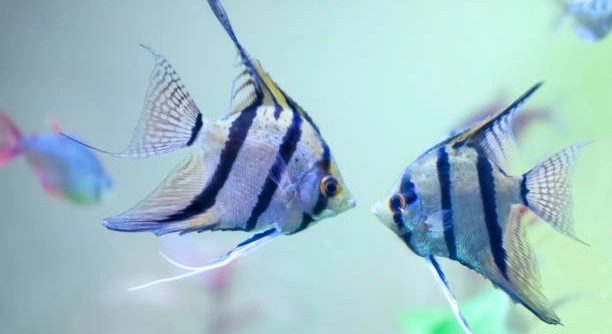
Angelfish are beautiful and vibrant creatures, but when they refuse to eat, it can be concerning. Understanding why this happens can help ensure they remain healthy and thrive in their tank.
The most common reasons why your angelfish won’t eat include stress, water quality issues, or incorrect diet. Problems like illness, tank mates, or environmental factors may also contribute to a lack of appetite.
There are several simple steps you can take to address these concerns. Understanding what’s affecting your angelfish can make a significant difference in restoring their appetite and overall well-being.
Stress and Anxiety
Angelfish, like many other fish, can become stressed for various reasons. The stress might be from aggressive tank mates, sudden changes in the environment, or even changes in lighting. When fish feel threatened or uneasy, they may stop eating. A calm and stable environment is essential for them to feel secure and comfortable.
Stress can also result from overcrowding in the tank, which limits the angelfish’s space. Another common cause is sudden changes in water temperature or chemistry, which can be startling. Your fish needs to feel safe to eat. Keeping the tank environment stable and peaceful will reduce stress levels significantly.
To ease their anxiety, make sure the tank is not too crowded, and the water conditions are ideal for angelfish. Ensure that the tank mates are compatible, and avoid sudden changes to the environment. Providing a safe space for your angelfish can help reduce stress and encourage feeding. Keep the tank clean and monitor their behavior regularly. The more comfortable they are, the more likely they’ll start eating again.
Poor Water Quality
Water quality plays a huge role in your fish’s health. If the water isn’t clean or has the wrong pH, your angelfish will be less inclined to eat.
Angelfish are sensitive to water conditions like pH levels, ammonia, and nitrate buildup. Poor water quality can lead to illness or discomfort, causing them to refuse food. Regular water changes and good filtration will help maintain a clean environment, making it more likely for your fish to feed.
If you notice your angelfish isn’t eating, it’s a good idea to test the water. High ammonia or nitrite levels can stress them out. Make sure the water is clean, filtered, and kept at a temperature that suits them. Stable water conditions are key for angelfish health, and maintaining this will encourage eating habits to return.
Illness or Injury
If your angelfish is sick or injured, it’s unlikely they’ll have an appetite. Illness can cause physical discomfort, making it hard for them to eat. Common signs of illness include lethargy, discoloration, or abnormal swimming behavior. These factors can contribute to a loss of appetite.
Injuries, whether from fighting with tank mates or an environmental accident, can also make eating difficult. A wound or injury can lead to infection, which may cause pain and prevent the fish from eating. It’s essential to address any physical issues as soon as possible.
Treating illness early is vital to preventing further health problems. If you notice any signs of sickness or injury, it’s important to separate the fish from others to avoid spreading disease. Providing proper medication or treatment can help your angelfish recover quickly and return to its normal eating habits. Keep an eye on the behavior and appearance of the fish for any further changes.
Incorrect Diet
Sometimes, angelfish simply won’t eat because they’re not offered the right food. Angelfish have specific dietary needs, and they might refuse food that isn’t appealing to them or doesn’t meet their nutritional requirements. Providing a variety of food types, including high-quality flakes, pellets, and frozen foods, can make a big difference.
If your fish is used to a specific diet and suddenly gets something new, they might avoid eating altogether. Even slight changes in food type or brand can upset their eating habits. If you’re offering them food that’s hard for them to digest or doesn’t suit their taste, they may refuse to eat.
To encourage your angelfish to eat, offer food they enjoy and that’s appropriate for their species. Mix up their diet to include different types of food, such as live or frozen foods, to spark their interest. Don’t be afraid to experiment with feeding times or methods to see what works best for them.
Overcrowding
Overcrowding can create stress for your angelfish and make them feel cramped. When fish are packed too closely, they may avoid eating due to competition for food and lack of space. A smaller tank with too many fish can increase anxiety, causing appetite loss.
Make sure your tank has enough room for each fish to have its own space. Overcrowding also leads to poor water quality, which further exacerbates stress. A general rule is to allow at least 10 gallons of water for each angelfish. Ensure that your fish aren’t constantly fighting for resources or space.
Aggressive Tank Mates
Aggressive tank mates can prevent your angelfish from eating. If other fish constantly chase or bully your angelfish, it will be too stressed to enjoy its meals. Aggression can lead to a lack of appetite, especially if your angelfish feels unsafe.
Aggressive behavior from tank mates can make feeding time stressful. It’s important to ensure that your angelfish’s companions are peaceful and compatible. Consider removing aggressive fish or providing hiding spots for your angelfish to retreat to when needed. Creating a peaceful atmosphere encourages eating and reduces stress.
Water Temperature Fluctuations
Angelfish are sensitive to temperature changes. If the water is too hot or too cold, they might stop eating. Keeping the temperature within a stable range of 76–82°F (24–28°C) is crucial for their health and feeding habits. Too much fluctuation can cause discomfort and stress.
Maintaining a consistent water temperature ensures that your angelfish can feed without experiencing temperature shock. Use a reliable aquarium heater and thermometer to monitor the water’s temperature. Sudden temperature drops or spikes can interfere with digestion and make your angelfish reluctant to eat.
FAQ
Why isn’t my angelfish eating?
There are several reasons your angelfish may not be eating. It could be due to stress, poor water quality, illness, injury, or an unsuitable diet. Stress can come from overcrowding, aggressive tank mates, or sudden changes in the tank environment. Poor water conditions, like high ammonia or improper pH levels, can also make them uncomfortable. If your angelfish is sick or injured, this will further reduce their appetite. Lastly, offering food that doesn’t suit their taste or nutritional needs can also lead to a lack of interest in eating.
How do I know if my angelfish is sick?
If your angelfish is sick, you may notice changes in behavior or appearance. Look for signs like lethargy, faded colors, or odd swimming patterns. If the fish is staying near the surface or hiding, it could be an indication of illness. Other signs include bloating, fin damage, or lesions on the body. Watching closely and identifying these symptoms early is key to getting them the help they need. Testing water quality is also a good first step if you suspect illness.
Can angelfish eat after being sick?
Yes, angelfish can eat after recovering from illness, but they may take some time to regain their appetite. Make sure to offer them easy-to-digest foods like live or frozen options to start. Gradually reintroduce regular meals and monitor their progress. It’s important to ensure the tank’s water quality is pristine to avoid reinfection, as this will also help them recover faster.
How often should I feed my angelfish?
Angelfish should be fed once or twice a day, depending on their age and size. Younger angelfish may require more frequent feedings to support their growth. Adult angelfish can be fed once daily, offering them a small amount of food they can consume in 2-3 minutes. Overfeeding can lead to water quality issues, so only offer as much food as they can eat in one sitting. Ensure their diet is varied, including high-quality flakes, pellets, and occasional live food.
Can angelfish go without food for a few days?
Angelfish can go without food for a few days, but it’s not ideal. Like most fish, they can survive short periods without food, especially if they are healthy and well-fed beforehand. However, extended periods without food can weaken them and lead to malnutrition. If you’re going on vacation or have other reasons for not feeding them, consider a fish feeder or ask someone to help with feeding.
What is the best diet for angelfish?
The best diet for angelfish includes a mix of high-quality flakes, pellets, and occasional live or frozen foods like bloodworms, brine shrimp, and daphnia. A varied diet ensures they receive all necessary nutrients. Flakes or pellets should be their primary food, while treats like live foods can be offered occasionally. Avoid overfeeding and stick to feeding small amounts twice a day.
Can angelfish eat vegetables?
Yes, angelfish can eat vegetables as part of a balanced diet. While they are omnivores, including vegetables like blanched spinach, zucchini, or peas can be beneficial. These foods provide fiber and nutrients that are good for digestion. Cut the vegetables into small, bite-sized pieces before offering them to your fish. Not all angelfish may be interested in vegetables, so observe and see what they enjoy.
Why is my angelfish not eating after a water change?
After a water change, your angelfish may temporarily refuse to eat due to stress. The sudden change in water temperature, pH, or chemical composition can cause discomfort. Even though a water change is essential for their health, try to make it gradual. Avoid large water changes and make sure the new water is properly treated and matches the temperature of the tank.
What can I do if my angelfish isn’t eating after being introduced to a new tank?
If your angelfish isn’t eating after moving to a new tank, it’s likely due to stress from the change in environment. Fish need time to acclimate to new surroundings, so give them a few days to adjust. Keep the tank lights dim and avoid stressing them with excessive movement around the tank. You can also try offering familiar foods and make sure the water conditions are optimal for the species.
Are angelfish picky eaters?
Angelfish are not particularly picky eaters, but they do have specific dietary preferences. They generally enjoy a variety of foods, but the food must be of good quality and appropriate size. If you offer them food that they don’t like or that is too large or small, they may refuse to eat. It’s important to provide a balanced diet that includes both plant and animal-based foods. Variety is key, as it keeps the angelfish interested in their meals.
Can my angelfish be bullied into not eating?
Yes, if angelfish are being bullied by tank mates, they may stop eating. Fish can become stressed when constantly chased or harassed, and this can lead to a loss of appetite. If you notice aggressive behavior from other fish, consider removing the aggressor or rearranging the tank to give your angelfish more hiding spots. Reducing stress is essential for them to start eating again.
What should I do if my angelfish refuses food for several days?
If your angelfish refuses food for several days, check the water quality immediately. Poor water conditions are one of the most common reasons for a loss of appetite. Test for ammonia, nitrate, and pH imbalances. If the water quality is fine, the issue may be stress, illness, or an unsuitable diet. Try offering a different type of food or consult with a vet if the refusal persists.
Final Thoughts
Angelfish are beautiful and delicate creatures that need a stable and healthy environment to thrive. If your angelfish is not eating, it’s important to identify the cause as soon as possible to avoid further health issues. As mentioned, factors like stress, poor water quality, illness, overcrowding, and incorrect diet can all contribute to your fish’s loss of appetite. Addressing these issues quickly will help your angelfish get back on track and maintain its health.
One of the first steps to take is to check the water quality. Ammonia, nitrites, and pH imbalances can make angelfish uncomfortable, leading to a lack of interest in food. Regular water changes, along with proper filtration, can help maintain a healthy environment. It’s also important to ensure that the water temperature is consistent, as fluctuations can cause stress and further reduce their appetite. Keeping a close eye on the tank’s parameters will give you a clear indication if water quality is the problem.
In addition to monitoring water quality, pay attention to the tank mates and overall environment. Overcrowding or aggressive fish can create a stressful atmosphere, making it harder for your angelfish to eat. Ensuring that the tank is not too crowded and that fish are compatible with each other can reduce stress. Offering a varied diet that meets the nutritional needs of angelfish is also essential. Try a mix of high-quality flakes, pellets, and occasional live or frozen foods. This variety will keep your angelfish interested in feeding, helping them get back to a normal eating routine.

Hello,
If you enjoy the content that we create, please consider saying a "Thank You!" by leaving a tip.
Every little bit helps us continue crafting quality advice that supports the health, happiness, and well-being of pets around the world, for pets of all shapes, sizes, and species.
We really appreciate the kindness and support that you show us!