
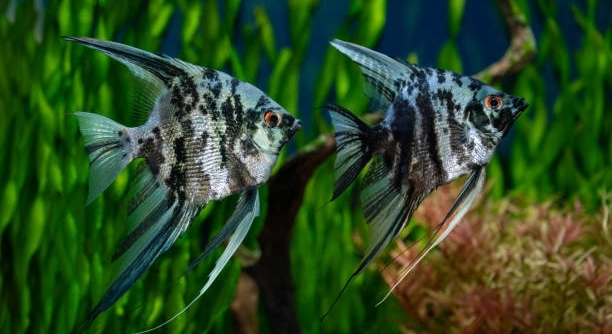
Angelfish are popular aquarium fish known for their graceful movements and striking appearance. As with many fish, people often wonder if these fish enjoy activities beyond swimming. Understanding angelfish behavior can help provide a more fulfilling environment for them.
Angelfish do not engage in play in the same way mammals do, but they are active and curious creatures. They explore their environment, interact with tank mates, and occasionally exhibit playful behaviors like chasing or swimming in circles.
Providing enrichment in an angelfish’s environment can support their natural curiosity and active behaviors.
What Makes Angelfish Active?
Angelfish are naturally curious and active. They thrive in environments that allow them to explore and swim freely. In the wild, they are often found in slow-moving rivers and lakes, where they can move around their surroundings and interact with other fish. In a home aquarium, this instinct to explore remains, leading them to engage with objects, plants, and even the glass of the tank. They may swim in circles, chase after each other, or interact with other fish in the tank. Angelfish are social creatures, and they can develop bonds with other fish if kept in pairs or small groups.
While angelfish don’t “play” in the human sense, their behavior often mimics what might appear to be playfulness. They display active swimming patterns and exhibit curiosity when exploring new items in their environment. It’s important to provide enough space and stimulation to encourage these behaviors.
To help promote activity, aquarists should provide various decorations and hiding spots. These will keep angelfish engaged and offer them places to hide, making their environment more dynamic.
Do They Get Bored?
Angelfish are intelligent enough to notice changes in their surroundings. When their environment lacks stimulation, they may appear less active or even stressed. This behavior can be managed by regularly changing the tank’s setup, adding new decorations, or introducing new tank mates.
Types of Activities That Stimulate Angelfish
Angelfish benefit from an environment that provides mental and physical stimulation. Items like plants, rocks, and aquarium decorations encourage them to explore. Adding live plants can also improve water quality and offer places for the fish to hide or navigate. Other objects, like aquarium caves, can help trigger natural behaviors like hiding or exploring, which keeps them active.
To simulate a more natural environment, consider rotating items in their tank. Changing the decor every so often will pique their curiosity and encourage more activity. Additionally, if you have other fish, angelfish may interact with them in social ways, leading to increased movement and interaction. A well-thought-out aquarium setup can improve their quality of life and promote healthy behavior.
Adding live plants can also help keep them engaged. Plants offer more surface area to swim through and may even provide some hiding spots. A mix of floating and rooted plants ensures that angelfish have plenty of spaces to explore, mimicking their natural habitat more closely.
Tank Mates for Angelfish
Choosing the right tank mates is crucial for keeping angelfish engaged. Angelfish generally do well with other peaceful species that won’t outcompete them for food or space. Fish like tetras, gouramis, and corydoras are good choices. These species can share the space without disturbing angelfish, allowing them to thrive.
It’s important to avoid aggressive fish like cichlids or fast-moving species that may stress out the angelfish. A peaceful, balanced tank helps ensure that the angelfish remain active and comfortable in their environment. Keeping the tank calm is essential for promoting natural, relaxed behavior, so each fish can interact with its surroundings without feeling threatened.
Choosing compatible tank mates also means considering the temperament of your angelfish. Some angelfish may be more territorial and may need extra space to feel comfortable with others around.
Enriching the Aquarium Environment
Adding a variety of textures to the aquarium floor helps stimulate angelfish. Gravel, sand, or pebbles offer different surfaces for them to explore. They enjoy swimming between rocks and through plants, which creates an environment that mirrors their natural habitat. A stimulating environment encourages their natural curiosity and activity.
Incorporating moving objects, like a water filter or bubbler, creates a dynamic setting. The movement mimics natural water currents, keeping the angelfish active. They will often swim through areas where the water flow is stronger, which can also help them stay engaged.
Feeding Time as Stimulation
Feeding time is not only essential for angelfish health but can also serve as a source of stimulation. Offering a variety of food options, such as flakes, pellets, and live or frozen foods, can keep them interested. Change the feeding routine occasionally to keep them alert and engaged.
Regular Tank Maintenance
Maintaining a clean and healthy tank is key to ensuring angelfish remain active. Regular water changes and tank cleaning help prevent stress caused by poor water quality. The cleaner the environment, the more comfortable the fish will be, which encourages natural swimming behaviors and keeps them healthy.
FAQ
Do angelfish like to interact with humans?
Angelfish are not as interactive with humans as some other species of aquarium fish. They may recognize their owner, particularly during feeding time, and may approach the glass or swim near you. However, they do not form the same bonds as more social fish, such as goldfish or bettas. While they are curious, their behavior is more focused on exploring their environment and interacting with other fish in the tank.
How often should I change the water in my angelfish tank?
Water changes are essential to maintaining a healthy environment for your angelfish. It is recommended to change 25% to 30% of the water in the tank every two weeks. This helps remove excess waste, toxins, and debris that can accumulate. For a more active tank with multiple fish, you may need to change the water more frequently. Regular water changes are critical for reducing the risk of diseases and keeping the water conditions stable.
Can angelfish live with other species?
Yes, angelfish can live with other species if the tank mates are peaceful and not overly aggressive. Ideal tank mates include species like tetras, gouramis, and corydoras. It’s important to avoid fast-moving or aggressive fish that might stress the angelfish. When choosing tank mates, ensure that the other fish are not territorial, as this could lead to conflicts.
Are angelfish aggressive?
Angelfish can exhibit territorial behavior, especially during breeding periods. Males may become more protective of their space, chasing away other fish. However, in a well-balanced tank with enough space and hiding spots, their aggression is generally minimal. Keeping them with non-aggressive fish and avoiding overcrowding can help maintain a peaceful environment.
What should I feed my angelfish?
Angelfish have a varied diet and should be fed a mix of high-quality flakes, pellets, and frozen or live foods. They enjoy a variety of foods such as brine shrimp, bloodworms, and daphnia. Feed them once or twice a day, making sure not to overfeed. Overfeeding can lead to poor water quality and health problems. A balanced diet helps maintain their health, vibrant colors, and energy levels.
How big do angelfish get?
Angelfish can grow up to 6 inches in body length, with their fins extending even further. In a well-maintained aquarium, they can reach their full size within 6 to 12 months. It’s important to provide them with a large enough tank to accommodate their growth. A tank of at least 20 gallons is recommended for a pair of angelfish, with more space needed for additional fish.
Do angelfish require a heater?
Yes, angelfish are tropical fish and require a stable water temperature of around 75 to 82°F (24 to 28°C). A heater is essential to maintain this temperature range. Without proper heating, the angelfish may become stressed, which can impact their overall health. Be sure to use a reliable aquarium heater and regularly check the water temperature.
How long do angelfish live?
Angelfish typically live for 10 to 15 years in captivity when provided with proper care. Factors like water quality, diet, and tank mates can influence their lifespan. Maintaining a clean tank, providing a balanced diet, and minimizing stress can help your angelfish live a long, healthy life.
Can angelfish live in cold water?
Angelfish are not suited for cold water environments. They are tropical fish and thrive in warm water temperatures. Cold water can lead to stress, weakened immune systems, and even death if the temperature drops too low. Always ensure that the water temperature in the tank is consistent with the needs of tropical species.
Do angelfish need a lot of space?
Angelfish benefit from having plenty of swimming space, especially as they grow. A minimum of 20 gallons is recommended for a pair, with additional space required for other fish. Overcrowding can lead to stress and aggression, and it can also impact water quality. A larger tank with adequate hiding spots promotes a healthier and more active environment for your angelfish.
What are the best tank conditions for angelfish?
Angelfish prefer slightly acidic to neutral water, with a pH between 6.8 and 7.8. They also thrive in soft to moderately hard water. Keeping the water clean, maintaining proper filtration, and avoiding sudden temperature fluctuations are key to their health. Regular water changes and proper tank maintenance are essential for creating ideal conditions for angelfish.
How do I know if my angelfish is sick?
Signs of illness in angelfish include lethargy, loss of appetite, unusual swimming patterns, faded colors, or visible lesions or wounds. If you notice any of these signs, it’s important to address the issue promptly. A water quality test can help identify any imbalances, and quarantining sick fish can prevent the spread of disease. Seek advice from an aquarium specialist or veterinarian if needed.
Do angelfish breed easily in captivity?
Angelfish can breed in captivity if the conditions are right. They require a well-maintained tank with stable water parameters. A breeding pair will choose a flat surface, such as a rock or leaf, to lay their eggs. The male will fertilize the eggs, and the female will guard them. While breeding is possible, it may require patience and careful attention to ensure the eggs hatch and the fry survive.
Can angelfish change color?
Yes, angelfish can change color based on various factors. Stress, water quality, lighting, and even mood can affect their coloration. They may appear duller or brighter depending on their environment. Healthy angelfish will exhibit vibrant colors, while poor water quality or illness can cause them to lose their usual brightness.
Why are my angelfish staying near the top of the tank?
If your angelfish are staying near the top of the tank, it could indicate an issue with oxygen levels. Angelfish tend to swim near the surface if the water is low in oxygen. Ensure that your tank is properly aerated with a working filter and air stone. Poor water quality or stress can also cause this behavior, so it’s important to check the tank conditions regularly.
Can angelfish live with other fish in a community tank?
Angelfish can live with other peaceful species in a community tank, as long as there’s enough space and the tank mates are not too aggressive. They can coexist with species like tetras, rasboras, and other slow-moving, non-territorial fish. However, avoid keeping them with fin-nipping or fast-moving fish that could stress them out.
Final Thoughts
Angelfish can make an excellent addition to your aquarium, offering both beauty and a calming presence. Their graceful swimming and vibrant colors enhance any tank, and their relatively low maintenance needs make them suitable for both beginners and experienced fishkeepers. Understanding their natural behavior and needs is essential to creating a thriving environment. By ensuring they have a spacious tank, clean water, and proper tank mates, you can enjoy a healthy and active angelfish for many years.
While angelfish are generally peaceful, it’s important to remember they can exhibit territorial behavior, especially during breeding. By carefully selecting tank mates and providing plenty of hiding spots, you can minimize the chances of aggression. Their interactions with humans may be limited, but feeding time and regular care can help foster a routine that keeps them comfortable and engaged. It’s crucial to avoid overcrowding, as it can cause stress and negatively affect their health. Regular water changes and tank maintenance will also play a vital role in ensuring their well-being.
In summary, angelfish are relatively easy to care for but require attention to their environment and specific needs. Providing a well-maintained tank with proper temperature, water quality, and diet will ensure your angelfish thrive. Keeping their space free from aggression and maintaining a balanced ecosystem are key factors for their health and happiness. By following these simple steps, you can enjoy watching your angelfish flourish, offering a peaceful and beautiful presence in your home or office aquarium.

Hello,
If you enjoy the content that we create, please consider saying a "Thank You!" by leaving a tip.
Every little bit helps us continue crafting quality advice that supports the health, happiness, and well-being of pets around the world, for pets of all shapes, sizes, and species.
We really appreciate the kindness and support that you show us!