
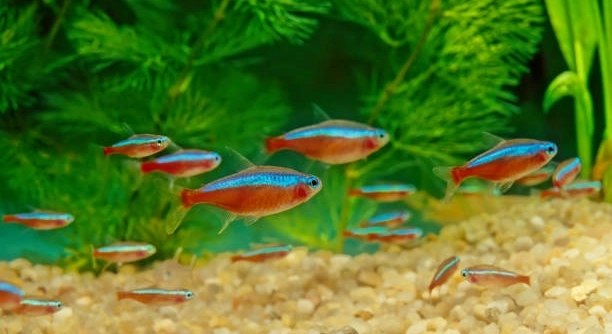
Neon Tetras are popular aquarium fish known for their bright colors and energetic behavior. However, it can be concerning when these fish start swimming backward. If you’ve noticed this unusual behavior, you’re not alone.
Neon Tetras swimming backward could be a sign of stress, illness, or poor water conditions. It may also be due to a behavioral response to changes in their environment or diet. Identifying the cause is essential to their well-being.
Understanding these causes can help you take the necessary steps to ensure your fish stay healthy. In this article, we’ll explore potential reasons for their backward swimming and how you can address the issue.
Stress and Anxiety
Stress is one of the most common reasons for unusual swimming behavior in Neon Tetras. These small fish are highly sensitive to changes in their environment. Factors such as sudden changes in water temperature, pH levels, or overcrowding in the tank can cause them to feel stressed. This may result in erratic swimming patterns, including moving backward. Stress can also arise from being placed in a tank with aggressive fish or from poor water quality. It’s important to maintain stable conditions to reduce stress and help your fish thrive.
Ensuring your fish have enough space to swim freely and reducing sudden environmental changes can greatly reduce stress.
If you’re dealing with a stressed-out Neon Tetra, start by checking the water quality and making sure the tank isn’t overcrowded. Providing hiding spots and plants can also help create a more secure environment. Reducing stress is one of the best ways to improve their behavior.
Illness and Infection
Illness is another major factor behind abnormal swimming. Neon Tetras can fall ill due to parasites, infections, or poor water quality. When they’re not feeling well, they may exhibit strange movements, such as swimming backward or near the water surface. A bacterial infection or parasite can also weaken their muscles, making it harder for them to swim normally. If this is the case, the fish may swim in an erratic manner as a result of the discomfort.
If your fish are sick, you’ll need to act quickly.
Isolating the sick fish is crucial to prevent any potential spread of disease to other tankmates. You can treat them with appropriate medications designed for the illness affecting them. Keep the water parameters stable and clean while the fish recover, as a clean tank helps promote healing. Be sure to observe any changes in behavior closely.
Poor Water Quality
Water quality plays a significant role in a Neon Tetra’s health. Ammonia, nitrite, or nitrate buildup can cause the fish to swim abnormally. If you notice backward swimming, it’s often a sign that the water is not being properly filtered. Regular water changes are necessary to keep levels safe.
Test the water regularly for ammonia and nitrate levels, and ensure your filter is working properly. Poor filtration can make it difficult for your fish to stay healthy. If the water quality is poor, your Tetras will likely experience stress, leading to abnormal swimming behavior.
The ideal water temperature for Neon Tetras should be between 72°F and 78°F, with a pH level of 6.0 to 7.0. Keep an eye on the tank’s cleanliness and make adjustments as needed. Clean or replace your filter if it is clogged or inefficient. A consistent water change routine is key to keeping your fish happy and healthy.
Overfeeding
Overfeeding your Neon Tetras can lead to swimming issues. Excess food not eaten by the fish can decay in the tank, which increases toxins. This makes the water quality worse and may stress the fish, causing them to swim backward.
When food accumulates, it creates a breeding ground for bacteria, which can further harm your fish. Even though it might seem like they are hungry, it’s essential to avoid feeding them more than necessary. Overfeeding can cause digestive issues, making them more prone to abnormal behavior.
To avoid overfeeding, offer your Neon Tetras small portions of food they can eat in a couple of minutes. This not only helps maintain water quality but also ensures they get the nutrients they need without wasting food. You’ll notice your fish swim more naturally when their diet is well balanced and feeding is controlled.
Poor Tank Setup
An overcrowded or improperly decorated tank can make Neon Tetras feel unsafe. Without enough swimming space or places to hide, they can become stressed and display odd swimming behaviors like moving backward. Proper tank setup is essential for their comfort and health.
Ensure the tank has enough space for all your fish, with room for them to swim freely. Include plants, rocks, and other hiding spots to help them feel secure. A well-designed tank reduces stress and prevents unnatural behavior.
Environmental Changes
Neon Tetras are very sensitive to changes in their environment. A sudden shift in water temperature or lighting can make them uneasy and lead to backward swimming. Even moving them to a new tank can cause distress.
Always introduce your fish to new environments gradually. Make sure any adjustments to water conditions are done slowly to avoid shocking them. When moving your fish, do it carefully, and ensure their new home meets their needs. A stable environment reduces stress and helps keep them swimming normally.
FAQ
Why is my Neon Tetra swimming backward?
There are several reasons why your Neon Tetra might swim backward. The most common causes include stress, poor water quality, illness, or even tank overcrowding. Stress can come from environmental changes, aggressive tankmates, or improper water parameters. If the water quality is not ideal, it can lead to abnormal swimming patterns as the fish struggle to navigate. Illness or infections can also affect their muscles and coordination, leading to erratic movements.
How can I reduce stress in my Neon Tetra?
To reduce stress in your Neon Tetra, maintain a stable tank environment. Keep the water temperature between 72°F and 78°F and make sure the pH levels are around 6.0 to 7.0. Avoid sudden changes in the water, and be sure to conduct regular water tests to ensure it’s safe. Providing plants and hiding spots can help the fish feel secure. Additionally, avoid overcrowding the tank, and ensure all your tankmates are peaceful.
What can I do if the water quality is poor?
If the water quality is poor, perform a partial water change immediately to lower the levels of ammonia, nitrites, or nitrates. Check your filtration system to make sure it’s working properly, as a weak filter can lead to water contamination. Clean the tank regularly, and use a water testing kit to monitor the parameters. You might also want to invest in a better filter or add a sponge filter for additional water circulation.
Can poor water quality cause other health problems for my Neon Tetra?
Yes, poor water quality can lead to a variety of health issues for your Neon Tetra. High levels of ammonia or nitrites are toxic to fish and can cause burns to their gills or skin. Over time, poor water conditions can weaken their immune system, making them more susceptible to infections and diseases. Maintaining proper water quality is key to preventing these health problems.
How can I tell if my Neon Tetra is sick?
Signs of illness in Neon Tetras include changes in swimming behavior, such as swimming backward or near the surface, lack of appetite, faded colors, or clamped fins. You may also notice visible signs like lesions, cloudy eyes, or bloating. If your fish are acting unusually or showing physical symptoms, it’s best to isolate them and consult with an aquarium professional or veterinarian.
Can overfeeding cause backward swimming in my Neon Tetra?
Yes, overfeeding can lead to poor water quality and digestive problems, both of which can cause unusual behavior like backward swimming. When you overfeed your fish, the excess food decays in the tank, raising the levels of toxins. This can lead to stress, which affects your fish’s swimming patterns. Feed your Neon Tetras only what they can eat in a few minutes to prevent this issue.
How can I prevent overfeeding my Neon Tetra?
To prevent overfeeding, only give your Neon Tetra small amounts of food at each feeding. Offer enough so they can consume it within 2-3 minutes. If there’s leftover food, it’s a sign you’re feeding too much. You can also use an automatic fish feeder to regulate feeding times and portion sizes.
Can tankmates affect the behavior of my Neon Tetra?
Yes, aggressive or territorial tankmates can stress out your Neon Tetra, leading to abnormal swimming behaviors. Neon Tetras are peaceful fish and thrive in a calm, community setting. Tankmates that chase or nip at them can cause anxiety and distress. It’s important to choose compatible species when setting up your aquarium.
What should the ideal tank setup for Neon Tetras look like?
The ideal tank setup for Neon Tetras includes plenty of open swimming space and plenty of plants or decorations to provide hiding spots. A 10-20 gallon tank is suitable for a small school of Tetras, and the water should be well-filtered and stable. Ensure the tank has a gentle water current, as Neon Tetras don’t like strong currents. Keep the tank clean, and monitor water quality regularly.
How do I know if my Neon Tetra is comfortable in its tank?
A comfortable Neon Tetra will swim actively in the middle or bottom of the tank, exploring plants or swimming in small groups. Their colors should be vibrant, and their fins should remain fully extended. If your fish are hiding too much, not swimming, or appear to be lethargic, it might indicate stress or discomfort with the tank environment.
Can Neon Tetras get along with other fish?
Yes, Neon Tetras are peaceful and do well with many other non-aggressive species. They thrive in schools of 6 or more, so it’s best to keep them with other small, calm fish. Avoid keeping them with larger or more aggressive fish that may view them as food or compete for territory.
What temperature should the water be for my Neon Tetra?
Neon Tetras prefer water temperatures between 72°F and 78°F (22°C to 25°C). Keeping the water in this range will help them stay healthy and active. Temperatures outside of this range can stress the fish, leading to erratic swimming behavior and potential health problems.
Final Thoughts
Neon Tetras are beautiful and popular fish, but like all aquarium fish, they require careful attention to thrive. If you notice your Neon Tetra swimming backward, it’s a sign something might be wrong in their environment. Whether it’s poor water quality, stress, illness, or other factors, understanding the cause of this behavior is essential to fixing the problem. Keeping your tank clean, maintaining proper water conditions, and ensuring a peaceful environment can go a long way in preventing this issue.
It’s important to remember that Neon Tetras are sensitive creatures. Any changes in their surroundings can affect their behavior. Whether it’s fluctuating water temperature, overcrowding, or sudden changes in their environment, these factors can cause stress, leading to swimming abnormalities. Pay attention to your fish’s behavior and make adjustments as needed. If you notice signs of illness, such as faded colors or lethargy, be sure to act quickly and provide the appropriate treatment. A sick or stressed fish is more likely to exhibit unusual behaviors, so maintaining a stable and healthy environment is key.
By keeping the right balance in your aquarium, you can help your Neon Tetras live long, healthy lives. Regular water changes, monitoring water quality, and ensuring they have plenty of space to swim will reduce the chances of abnormal behavior. A healthy, peaceful tank will allow your fish to display their natural beauty without issues. While backward swimming can be concerning, it’s often a sign that there is something that needs attention in their environment. With the right care, you can help your fish return to their normal behavior and keep them happy and healthy for years to come.

Hello,
If you enjoy the content that we create, please consider saying a "Thank You!" by leaving a tip.
Every little bit helps us continue crafting quality advice that supports the health, happiness, and well-being of pets around the world, for pets of all shapes, sizes, and species.
We really appreciate the kindness and support that you show us!