
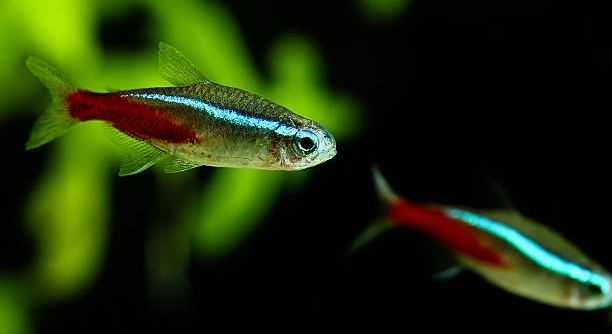
Setting up a tank for your Neon Tetras is an exciting yet essential task to ensure their well-being. With proper setup, these colorful fish can thrive and create a lively aquarium for years to come.
To set up a Neon Tetra tank for long-term success, ensure a suitable tank size, a proper filtration system, and balanced water conditions. The right lighting, substrate, and regular maintenance will help maintain a healthy environment for your fish.
Following these simple steps will give you the foundation to maintain a healthy, vibrant aquarium for your Neon Tetras. The right setup is key to their long-term health and happiness.
Step 1: Choose the Right Tank Size for Neon Tetras
When setting up a tank for your Neon Tetras, size matters. These small fish need enough space to swim and explore. A 10-gallon tank is a good starting point for a small school of 6-8 fish. A larger tank provides better water stability and reduces stress for the fish. Smaller tanks can become unstable quickly, especially with fish that produce waste. Make sure your tank isn’t overcrowded.
The tank size helps maintain water quality and ensures your fish are comfortable. A larger tank will also allow you to include other peaceful fish species alongside your Neon Tetras. Adding decorations and plants will give them hiding spots and swimming areas.
While it might be tempting to go smaller for a more compact aquarium, it’s essential to give them space for a healthy environment. A larger setup will ultimately be easier to manage and will allow for a more enjoyable viewing experience as well.
Step 2: Set Up a Proper Filtration System
A good filtration system is necessary to keep the water clean and free from toxins. Neon Tetras are sensitive to poor water conditions. Choose a filter that fits your tank size and ensures proper water flow.
Good filtration will help keep your fish healthy and reduce the need for frequent water changes. It’s important to select a filter that doesn’t create strong currents, as Neon Tetras prefer calm water. A sponge filter is a great choice for small tanks, while a hang-on-back filter works well for larger setups.
You will also need to check and replace filter media regularly to maintain optimal filtration. Be mindful of the flow rate—too strong a current can cause stress, while too weak won’t keep the water clean enough. This is vital to maintaining their well-being and vibrant colors.
Step 3: Maintain Stable Water Parameters
Neon Tetras need stable water parameters to thrive. The ideal water temperature for them is between 72-78°F (22-26°C), and the pH should be slightly acidic, around 6.0-7.0. Regularly check the temperature and pH levels using a reliable test kit.
A consistent water temperature helps your fish feel at ease. Sudden fluctuations can lead to stress and illness. Make sure your heater is working properly if needed. Invest in a thermometer to monitor the water regularly. For pH, small changes can have a big impact on the fish’s health.
Maintaining stable water parameters is critical for long-term success with Neon Tetras. If the pH or temperature drops too low or spikes too high, it can be harmful. This stability is key to keeping the fish calm and vibrant. Water changes every week help keep the environment stable.
Step 4: Choose the Right Substrate
For Neon Tetras, soft, dark substrates are ideal. A fine, sandy substrate or smooth gravel will provide a safe, comfortable bottom for them to swim near. Neon Tetras prefer to stay close to the substrate, especially when hiding or resting.
A darker substrate helps the colors of Neon Tetras stand out. It also mimics their natural habitat, where they swim among shadows and plants. Ensure the substrate is clean and free of sharp edges that could damage their sensitive bodies. It’s also easier to maintain a clean tank with a substrate that doesn’t trap debris.
Avoid using brightly colored gravel, as it can stress your fish. Darker colors help them feel more secure and encourage natural behaviors. A properly chosen substrate contributes to a healthier, more enjoyable tank for both you and your fish.
Step 5: Provide Proper Lighting
Neon Tetras don’t require intense lighting, but a consistent light cycle is important. Aim for 10-12 hours of light per day to replicate their natural environment. Using a gentle, low-light aquarium bulb will be best.
Too much light can cause algae to grow quickly, while too little light can stress your fish. The goal is to create a balanced day and night cycle. A timer for your lights can help maintain consistency, ensuring the tank doesn’t stay too bright or dark for extended periods. This helps your fish maintain a healthy routine.
Step 6: Decorate with Plants and Hiding Spots
Neon Tetras enjoy swimming through plants and hiding in shaded areas. Adding live plants not only provides hiding spots but also helps improve water quality by absorbing excess nutrients.
Opt for plants like Java Fern, Anubias, or Moss Balls. These species thrive in low-light conditions and offer perfect hiding spots. Creating a natural environment with plants will keep the fish relaxed and make the tank look vibrant. If you want to add extra security, include some driftwood or rocks for hiding.
Step 7: Regular Water Changes
Regular water changes are essential for maintaining a healthy tank. Aim for changing 20-30% of the water every week to prevent waste buildup.
Use a siphon to remove debris from the substrate and replace it with fresh, treated water. Test the water after changes to ensure parameters are still stable. Keeping the tank clean prevents the growth of harmful bacteria and algae, helping your Neon Tetras stay healthy.
FAQ
What do Neon Tetras eat?
Neon Tetras are omnivores, so they need a balanced diet of both plant and animal matter. A high-quality flake or pellet food designed for tropical fish will meet their basic nutritional needs. You can supplement their diet with frozen or live foods like brine shrimp, daphnia, or bloodworms.
It’s important not to overfeed, as leftover food can pollute the water. Feed them small amounts 2-3 times a day, only as much as they can consume in a couple of minutes. Avoid overfeeding and be sure to remove any uneaten food promptly to maintain water quality.
Can Neon Tetras live with other fish?
Yes, Neon Tetras are peaceful fish that get along well with other non-aggressive species. They thrive in a community tank with other small, calm fish such as Corydoras, Rasboras, or Guppies. However, avoid keeping them with larger or more aggressive fish, as they may stress your Neons or become a threat.
Ensure there’s enough space in the tank, and don’t overcrowd it, as this could cause stress or aggression. Always check the compatibility of fish before introducing them to the tank, and observe their interactions carefully.
How often should I clean my Neon Tetra tank?
You should perform a partial water change of 20-30% once a week. In addition, regularly clean the substrate to remove uneaten food and waste using a siphon. Keeping the filter clean is also important, but don’t replace the filter media all at once, as it contains beneficial bacteria essential for a stable tank.
It’s essential to keep the tank in good condition to prevent the buildup of harmful substances. If you notice the water becoming cloudy or dirty, you may need to clean it more often. Regular maintenance ensures your Neon Tetras have a healthy, safe environment.
Do Neon Tetras need a heater?
Yes, Neon Tetras are tropical fish, and they require a consistent water temperature between 72-78°F (22-26°C). In cooler environments, a heater is necessary to maintain the proper temperature. Choose a reliable aquarium heater and set it according to the recommended range for Neon Tetras.
A thermometer will help you monitor the water temperature regularly to avoid sudden fluctuations. Temperature instability can cause stress and lead to illness, so it’s important to ensure the water stays within the optimal range.
How many Neon Tetras should be kept together?
Neon Tetras are schooling fish and prefer to live in groups. A group of at least 6-8 is ideal, though larger schools are even better. Keeping them in a group allows them to feel secure and comfortable, as they naturally school together in the wild.
A small school of 3-4 Neons may lead to stress or aggression, so aim for a group that allows them to exhibit natural behaviors. A larger group also makes for a more visually appealing and lively tank.
Why are my Neon Tetras swimming at the top of the tank?
If your Neon Tetras are swimming at the top of the tank, it could indicate a problem with the water quality or oxygen levels. Check the oxygenation in the tank—if the filter isn’t providing enough surface agitation, the water may lack oxygen. Adding an air stone can help improve aeration.
Another potential cause is high levels of toxins like ammonia or nitrites. Test the water regularly and perform a water change if necessary. Poor water conditions can stress your fish and lead to abnormal behavior, so maintaining stable, clean water is crucial.
What is the lifespan of a Neon Tetra?
Neon Tetras typically live for around 5-10 years with proper care. A stable, clean tank with appropriate water conditions, feeding, and regular maintenance can help them live longer. Providing them with a proper environment and avoiding stressors like aggressive tankmates or poor water quality will also contribute to their longevity.
Keep an eye on their health and behavior as they age. Signs of illness or changes in appearance may indicate health problems that need addressing promptly.
Final Thoughts
Setting up a Neon Tetra tank isn’t complicated, but it does require attention to detail. With the right tank size, stable water conditions, and proper maintenance, your Neon Tetras can thrive and live for many years. These fish are small and peaceful, making them ideal for beginners and experienced aquarists alike. By following the essential steps, such as choosing the right filter, substrate, and plants, you create a natural environment where your fish can feel at ease.
Regular maintenance is key to keeping your Neon Tetras healthy. It’s important to perform regular water changes, monitor water parameters, and ensure that their tankmates are compatible. While these fish are hardy, they are sensitive to poor water quality, so keeping the tank clean and maintaining stable conditions will prevent most issues. Additionally, by avoiding overfeeding and maintaining a consistent light cycle, you can minimize stress on your fish and create a balanced, thriving aquarium.
In the end, the health and happiness of your Neon Tetras depend on consistency. The simple act of monitoring water temperature, feeding properly, and keeping the tank clean will go a long way in ensuring their well-being. They are a beautiful, low-maintenance fish that can live in harmony with other peaceful species when cared for correctly. With patience and attention, you’ll enjoy a vibrant aquarium full of life for years to come.

Hello,
If you enjoy the content that we create, please consider saying a "Thank You!" by leaving a tip.
Every little bit helps us continue crafting quality advice that supports the health, happiness, and well-being of pets around the world, for pets of all shapes, sizes, and species.
We really appreciate the kindness and support that you show us!