
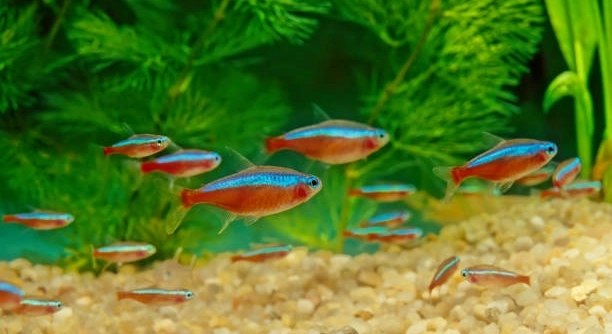
Neon Tetras are beautiful, small fish that are popular in aquariums. While they are peaceful, ensuring they get along with other fish can sometimes be tricky. It’s important to understand their behavior and needs.
To ensure Neon Tetras live peacefully with other fish, provide a suitable environment, choose compatible tank mates, and maintain water quality. Properly feeding them and observing their interactions will also help create a harmonious aquarium.
With the right tank setup and mindful choices, your Neon Tetras can thrive alongside other fish. Keep reading for some helpful tips to make this happen!
1. Choose the Right Tank Size for Neon Tetras
Neon Tetras thrive in spacious environments. A tank that holds at least 10 gallons of water is ideal. It allows them to swim freely without feeling cramped, which can reduce stress. Neon Tetras are schooling fish, meaning they feel safer and more secure in groups. Aim to keep at least six Neon Tetras in your aquarium to create a balanced, peaceful school.
A small tank with too few Neon Tetras can lead to aggression. Larger tanks provide more room for different fish, reducing territorial disputes. Plus, with proper filtration and consistent water changes, maintaining good water quality is easier.
To ensure your Neon Tetras stay calm and social, it’s important to consider the tank size carefully. They need space to swim and interact, and this can significantly impact their behavior and ability to get along with other fish.
2. Select Compatible Tank Mates
Not all fish get along with Neon Tetras. Avoid placing them with large, aggressive fish that may view them as food. Ideal tank mates include peaceful, non-aggressive species like Corydoras catfish, guppies, and mollies. These fish won’t pose a threat to the Tetras and will coexist peacefully.
Neon Tetras are small and gentle, so they work best with calm, similarly-sized fish. When introducing new fish to your tank, take the time to observe how they interact with your Neon Tetras. If there’s any sign of aggression or stress, consider rehoming the new fish.
Selecting peaceful, compatible tank mates is essential for a happy aquarium. Keep in mind that even non-aggressive fish might sometimes cause problems if the tank conditions aren’t right.
3. Maintain Good Water Quality
Water quality is crucial for the well-being of your Neon Tetras. Poor water conditions can stress the fish and lead to health issues. Regular water changes are necessary to keep the tank clean. Invest in a good filtration system that ensures proper water circulation.
Test the water regularly to check for ammonia, nitrite, nitrate levels, and pH balance. Neon Tetras prefer slightly acidic water with a pH between 6.0 and 7.0. Keeping the water temperature stable between 72°F and 78°F will also help prevent stress. Clean your tank thoroughly, and don’t forget to vacuum the substrate during water changes.
Neon Tetras are sensitive to sudden changes in water conditions, so make changes gradually. Consistency is key to keeping your fish healthy and ensuring they remain comfortable. This helps them get along better with tank mates, reducing aggression caused by stress.
4. Offer a Balanced Diet
Feeding your Neon Tetras a balanced diet promotes good health and behavior. A mix of high-quality flake food, pellets, and occasional live or frozen treats like brine shrimp or daphnia will keep them strong and active. Avoid overfeeding, as it can lead to water quality problems.
Providing a varied diet ensures they get the necessary nutrients. Neon Tetras are omnivores and require both plant and animal matter in their food. Feeding them once or twice a day is sufficient, but remember to remove any uneaten food to prevent water contamination.
When you give your Neon Tetras the right food, they’ll grow stronger and healthier, which in turn helps them stay peaceful. A well-fed fish is less likely to become aggressive or stressed. It also keeps them energized, allowing them to interact better with their tank mates.
5. Create Hiding Spaces
Neon Tetras appreciate having places to hide when they feel stressed or threatened. Adding plants, rocks, or aquarium decorations creates a more natural environment. These hiding spaces make the fish feel safer, reducing territorial behavior and minimizing aggression.
Incorporating hiding spots also helps to reduce stress, especially if your Neon Tetras are living with other fish. It’s important to create a balance between open swimming areas and places for them to retreat. This way, the fish can interact with each other while having a safe spot when needed.
Neon Tetras are naturally timid and will feel more secure with places to hide. This not only keeps them calm but also fosters better relationships with their tank mates, promoting peaceful cohabitation.
6. Observe Tank Dynamics
Watch how your fish interact with each other, especially when introducing new tank mates. Sometimes, even peaceful fish can show aggression due to factors like overcrowding or water quality. Immediate intervention is essential if you notice signs of stress or aggression.
By closely observing, you can identify potential problems early. If you see bullying or aggressive behavior, it may be necessary to rearrange the tank or remove the disruptive fish. Understanding their social interactions allows you to keep a harmonious environment.
7. Avoid Overcrowding
Overcrowding leads to stress and aggression, which can cause issues between Neon Tetras and other fish. Keep your tank within its optimal capacity, allowing space for each fish to swim and interact comfortably. Avoid overstocking, as it increases competition for food and territory.
FAQ
1. Can Neon Tetras live with bettas?
Neon Tetras can live with bettas, but caution is needed. Bettas are territorial and can become aggressive, especially if the neon tetra’s bright colors trigger the betta’s instincts. If you want to keep them together, make sure the tank is large enough to allow the betta plenty of space to retreat if needed. A good rule is to keep a low number of bettas and ensure they’re not stressed by other fish. Additionally, be mindful of their temperament, as some bettas are more aggressive than others.
2. Are Neon Tetras fin nippers?
No, Neon Tetras are not typically fin nippers. They are peaceful fish that tend to swim in schools and avoid confrontation. However, if they are stressed or feel threatened by larger, more aggressive fish, they may display some unusual behaviors. To keep your Tetras calm and happy, ensure they have a peaceful environment with compatible tank mates. Providing hiding spots also helps reduce stress and keeps them from becoming territorial.
3. Do Neon Tetras need a heater?
Yes, Neon Tetras need a heater in their tank to maintain a stable water temperature between 72°F and 78°F (22°C to 26°C). These fish come from tropical environments, and temperature fluctuations outside their preferred range can cause stress and health issues. A reliable heater will help ensure the tank stays within this optimal range. Make sure the heater is adjustable and monitor the temperature regularly to avoid overheating or underheating the water.
4. How many Neon Tetras should be kept together?
Neon Tetras are schooling fish and feel safest in groups. Ideally, they should be kept in schools of at least six, but larger schools of 10 or more can help create a calmer, more natural environment. In a smaller group, they may feel more vulnerable, which could lead to stress. A larger school also minimizes the chances of aggression or bullying within the group. However, keep in mind the size of your tank when deciding on the number of Neon Tetras to keep.
5. Can Neon Tetras live with goldfish?
Neon Tetras should not be kept with goldfish. Goldfish are cold-water fish, while Neon Tetras thrive in tropical conditions. The temperature difference could lead to stress or even death for the Neon Tetras. Additionally, goldfish can be quite messy, causing water quality issues that would harm your Tetras. If you’re considering goldfish, it’s best to create a separate tank specifically for them and choose fish that share similar environmental needs for your Neon Tetras.
6. Can Neon Tetras live in a tank with shrimp?
Yes, Neon Tetras can live with shrimp, especially larger species like cherry shrimp or Amano shrimp. Since Neon Tetras are small and peaceful, they generally won’t pose a threat to shrimp. However, smaller shrimp might become a target for the Tetras if they are small enough. To prevent this, ensure there are plenty of hiding spots in the tank for the shrimp to retreat to when they need protection. A well-planted tank with lots of cover will provide both Tetras and shrimp with a secure environment.
7. How can I tell if my Neon Tetras are stressed?
Stressed Neon Tetras will often display signs such as hiding more than usual, losing color, swimming erratically, or staying near the water’s surface. They may also stop eating or become less active. Stress can be caused by poor water quality, incompatible tank mates, or sudden changes in the environment. Regularly check water parameters and ensure your tank has enough space and hiding spots for the Tetras. If you notice stress, try to identify and address the underlying cause as soon as possible to avoid health issues.
8. What is the ideal tank setup for Neon Tetras?
The ideal tank setup for Neon Tetras includes a well-planted tank with soft substrate, hiding places, and open swimming areas. Neon Tetras prefer dim lighting, so consider using plants or decorations to reduce light intensity. Ensure the tank has a good filtration system and maintain water parameters such as pH, ammonia, and nitrate levels. A consistent water temperature between 72°F and 78°F is essential for their health. A planted tank with some floating plants also mimics their natural habitat and makes them feel at ease.
9. How do I breed Neon Tetras?
Breeding Neon Tetras requires a separate breeding tank with soft, slightly acidic water. Provide plenty of plants or spawning mops where the females can lay their eggs. A temperature of around 75°F is ideal for breeding. Once the eggs are laid, remove the adult fish to prevent them from eating the eggs. The eggs will hatch in about 24 to 36 hours, and the fry will be ready to feed on infusoria or specially designed fry food. Be patient and maintain stable water conditions to ensure the fry grow into healthy adults.
10. How long do Neon Tetras live?
Neon Tetras have a lifespan of around 5 years, though with proper care, they can live a bit longer. Providing a stable environment, feeding them a balanced diet, and ensuring high water quality can help them reach their full lifespan. Regular water changes, proper tank mates, and a consistent temperature are key factors in ensuring their health over the years. Although they are hardy, any sudden changes or stress can reduce their lifespan, so consistency is important.
Final Thoughts
Ensuring that your Neon Tetras get along with other fish in your aquarium is all about creating the right environment and carefully choosing their tank mates. These small, peaceful fish thrive in calm, stress-free settings where they have plenty of space to swim and hide if needed. It’s important to keep the tank large enough and maintain stable water conditions. By providing a suitable tank setup, such as hiding spots, good filtration, and regular water changes, you can help ensure that your Neon Tetras remain healthy and peaceful.
When choosing tank mates for your Neon Tetras, make sure you pick fish that are similarly peaceful and won’t intimidate or harm them. Avoid aggressive fish like large cichlids or bettas that might see your Tetras as competition or prey. The right companions will help your Tetras feel safe and secure. Also, be mindful of the number of fish you add to your tank. Overcrowding can cause stress, which may lead to territorial behavior and aggression. Aim to keep a school of at least six Neon Tetras together, and ensure your tank size allows them to swim comfortably.
Finally, observe your fish regularly to spot any potential problems early. Stress, aggression, and poor water conditions can often go unnoticed until they cause serious issues. By keeping an eye on your fish and adjusting the environment as needed, you can prevent most common problems. With the right care, your Neon Tetras can live peacefully with other fish, providing a beautiful and harmonious aquarium for everyone to enjoy.

Hello,
If you enjoy the content that we create, please consider saying a "Thank You!" by leaving a tip.
Every little bit helps us continue crafting quality advice that supports the health, happiness, and well-being of pets around the world, for pets of all shapes, sizes, and species.
We really appreciate the kindness and support that you show us!