
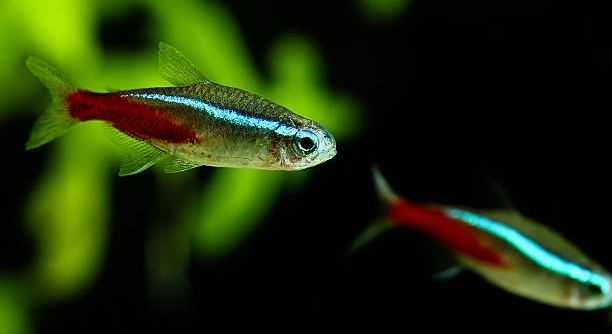
Neon Tetras are beautiful fish that thrive in planted aquariums, but their care can be challenging. Ensuring they have the proper environment in a heavily planted tank requires attention to detail and a few key strategies.
To keep Neon Tetras healthy in a heavily planted aquarium, provide proper filtration, maintain water quality, and offer adequate lighting. Create hiding spots using plants and decorations while ensuring the fish have enough swimming space to feel secure and active.
There are simple yet effective methods to create the best environment for Neon Tetras. These strategies will support both their health and happiness in a lush, planted tank.
Choosing the Right Aquarium Size
Neon Tetras require space to thrive, even in a planted tank. A tank size of at least 10 gallons is recommended for a small school of these fish. This allows the fish to swim freely without feeling cramped. Overcrowding can lead to stress, making them more susceptible to disease and poor water quality.
Keeping the tank size appropriate ensures a balanced environment. A larger tank offers more room for plants, decorations, and swimming space. The water quality can also be easier to maintain, preventing any sudden changes that could harm your fish.
Neon Tetras are schooling fish, so having several together creates a more natural, comfortable environment for them. A small group of five to six fish is ideal. More fish might need a larger tank, so adjusting the number based on your tank size ensures better care. With a spacious, well-maintained tank, your Neon Tetras can flourish and stay healthy.
Maintaining Stable Water Conditions
Water stability is key for Neon Tetras. Consistent temperature and pH levels keep them comfortable. A reliable heater and water test kit can help manage this easily.
To maintain stable water conditions, regular water changes are essential. Tetras are sensitive to fluctuations, so consistent care is necessary. A good filtration system ensures clean water, while a heater keeps the temperature stable at around 72-78°F.
Proper water changes help remove excess waste and prevent ammonia buildup. Testing the water regularly ensures the pH remains within the range of 6.0 to 7.0. Keeping these factors stable supports healthy fish and plants.
Proper Filtration for Clean Water
Good filtration ensures that your tank stays clean and free from toxins. The filter should be able to turn over the tank’s water at least three times an hour. This prevents the buildup of waste and excess nutrients that could harm the Neon Tetras.
Using a filter with adjustable flow is important. Neon Tetras prefer calm water, so avoid strong currents. A sponge filter is a good option for a tank with delicate fish. It provides gentle filtration without disturbing the plants or stressing out the fish. The filter should be cleaned regularly to avoid clogging and ensure its efficiency.
Maintaining your filter also helps in reducing algae growth. Algae thrive in nutrient-rich environments, so controlling the water flow and cleanliness helps to manage this problem. A clean filter will also help maintain optimal water quality, ensuring the health of both the fish and plants in your aquarium.
Lighting and Plant Care
Neon Tetras require proper lighting to stay active and healthy. They do best in moderate lighting conditions, which mimic their natural habitat. Bright lights can stress them, so choose lighting that is not too harsh.
Plants need light to grow, and the right light will help create a balanced ecosystem. Use a light that provides the right spectrum for plant growth while being gentle enough for the fish. This also helps prevent excessive algae growth, which can compete with plants for nutrients.
Too much light can trigger algae blooms, so adjust the duration the lights are on. Keeping the lights on for 8-10 hours a day is usually sufficient. Dimmer lighting in the evening can help simulate a more natural environment, promoting a healthier tank for your Neon Tetras.
Adding Plants for a Healthy Environment
Plants not only beautify the tank but also provide essential benefits for your Neon Tetras. They offer hiding spots, help maintain water quality, and supply oxygen. Choose plants that can thrive in low to medium lighting, such as Anubias, Java Fern, or Cryptocoryne.
Adding plants helps maintain a natural balance. They absorb excess nutrients from the water, preventing algae blooms. They also provide a natural habitat, giving your Neon Tetras places to hide and swim. A well-planted tank can make the fish feel more secure and less stressed.
Avoiding Overfeeding
Overfeeding is a common mistake that can lead to water quality problems. Only feed your Neon Tetras what they can eat in 2-3 minutes. Uneaten food can decay, leading to ammonia spikes.
Overfeeding can also lead to health issues for your fish. It contributes to poor water quality, which can cause stress and increase the risk of disease. Be mindful of the amount of food you give and try to stick to a feeding schedule.
FAQ
How many Neon Tetras can I keep in a heavily planted aquarium?
A general rule is one inch of fish per gallon of water. Neon Tetras are small, typically around 1.5 inches, so you can keep around six to eight in a 10-gallon tank. If your aquarium is heavily planted, the plants will help provide natural hiding spots and give them space to swim. Keep in mind that a larger tank allows for a more comfortable environment, especially if you plan to add more fish in the future. Overcrowding should always be avoided to maintain good water quality and reduce stress for the fish.
What temperature should my Neon Tetras’ tank be?
Neon Tetras thrive in water temperatures between 72°F and 78°F. This temperature range mimics their natural habitat, where the waters are warm and stable. Ensure your aquarium heater maintains a consistent temperature to avoid sudden fluctuations, as Neon Tetras are sensitive to changes in water temperature. A reliable thermometer will help you monitor the water temperature accurately. Avoid setting the temperature too high or too low, as it can lead to stress, making your fish more susceptible to disease.
Can I keep Neon Tetras with other fish?
Neon Tetras are peaceful and can be kept with other small, non-aggressive fish. Avoid housing them with larger, aggressive fish that might view them as food. Good tank mates include Corydoras catfish, Guppies, and small species of Rasboras. It’s important to keep the school of Neon Tetras in groups, as they feel more secure when surrounded by other members of their species. Choose tank mates that require similar water conditions and avoid species known for being territorial or predatory.
Do Neon Tetras need a filter in their aquarium?
Yes, a filter is essential for maintaining clean water in your aquarium. Neon Tetras are sensitive to poor water quality, so a reliable filtration system is necessary to keep the water clear and healthy. It’s important to use a filter that provides gentle water flow, as Neon Tetras prefer calm waters. A sponge filter is often recommended for smaller tanks as it doesn’t disturb the plants or fish. Make sure to clean the filter regularly to prevent clogging and maintain optimal performance.
How often should I change the water in my tank?
Water changes should be done regularly to maintain the water quality and remove harmful toxins. In a heavily planted tank, aim for a 25% water change every week. This helps keep the ammonia and nitrite levels in check and prevents a buildup of organic waste. Be sure to test the water regularly to ensure the levels of ammonia, nitrites, and nitrates are within safe ranges. Avoid doing large water changes all at once, as this can stress your fish. Smaller, frequent changes are less disruptive and more beneficial for the tank’s ecosystem.
What do Neon Tetras eat?
Neon Tetras are omnivores and will eat a variety of foods. They thrive on a diet of high-quality flake food, but they also enjoy live or frozen food like brine shrimp, daphnia, and bloodworms. You can also feed them small amounts of finely chopped vegetables, such as zucchini or spinach. Feed them 2-3 times a day, only as much as they can consume in 2-3 minutes. Avoid overfeeding, as leftover food can decompose and harm the water quality.
Why are my Neon Tetras swimming at the surface?
Neon Tetras are usually mid-to-bottom dwellers, so if they’re swimming at the surface, it could indicate a problem. This behavior may be a sign of poor water quality, particularly low oxygen levels. Check your filter to ensure it’s working properly and that the water is being circulated correctly. In some cases, it could also be a sign of stress or illness. If the fish continue to exhibit this behavior despite good water conditions, observe for other symptoms of disease, like faded colors or lack of appetite, and treat accordingly.
Can Neon Tetras live in soft water?
Yes, Neon Tetras prefer soft, slightly acidic water. The ideal pH for Neon Tetras is between 6.0 and 7.0, which is slightly acidic to neutral. They also thrive in soft water with low hardness (GH). If your tap water is hard, consider using a water conditioner or mixing it with distilled water to achieve the proper hardness level. Regularly test the water’s hardness to ensure it stays within the recommended range. Soft water mimics their natural environment and helps keep them healthy and stress-free.
How can I prevent algae growth in a planted tank?
To prevent algae growth, maintain proper lighting and avoid overfeeding. Algae thrive in tanks with excess nutrients, especially phosphates and nitrates, which are often caused by uneaten food. A balanced lighting schedule, around 8-10 hours per day, prevents algae from getting out of control. Consider adding algae-eating fish like Otocinclus or Amano shrimp, which can help keep algae in check. Regularly cleaning the tank, including removing any visible algae from plants and glass, also helps maintain a clean environment.
How do I know if my Neon Tetras are healthy?
Healthy Neon Tetras will have bright, vivid colors, swim actively in groups, and eat regularly. Look for clear eyes, smooth fins, and a healthy, streamlined body. If your fish are lethargic, hiding more than usual, or have faded colors, it may indicate stress or illness. Keep an eye on their behavior and watch for signs of disease, such as white spots, frayed fins, or abnormal swimming patterns. Testing the water regularly and maintaining proper care will help prevent many common health issues.
Final Thoughts
Keeping Neon Tetras in a heavily planted aquarium can be a rewarding experience, offering a beautiful and natural environment for both the fish and plants. These small fish are relatively easy to care for, but they do have specific needs that must be met for them to thrive. Ensuring the right water conditions, proper filtration, and a balanced environment with both plants and fish can make a big difference in their health and longevity. Their peaceful nature makes them a great addition to many community tanks, but it’s essential to avoid overcrowding and provide the appropriate care.
It’s important to create a stable environment with consistent water temperature and quality. Neon Tetras are sensitive to changes, so regular water testing and maintenance are key to keeping them happy. By choosing compatible tank mates and ensuring there’s enough space for the fish to swim, you can reduce stress and encourage natural behaviors. Proper lighting and plant care also contribute to the overall health of the aquarium, helping to prevent algae growth and providing the fish with hiding spots and grazing areas. A balanced ecosystem where plants and fish coexist harmoniously will benefit both the plants and the Neon Tetras in the long run.
Remember that a well-maintained aquarium requires regular monitoring and small adjustments to keep everything in balance. Regular water changes, proper filtration, and appropriate feeding schedules all contribute to the health of your Neon Tetras. While they are hardy, their small size and delicate nature mean that they can be affected by poor water conditions or overcrowding. By following the recommended care guidelines, you’ll be able to enjoy these vibrant fish and the lush, thriving tank they call home.

Hello,
If you enjoy the content that we create, please consider saying a "Thank You!" by leaving a tip.
Every little bit helps us continue crafting quality advice that supports the health, happiness, and well-being of pets around the world, for pets of all shapes, sizes, and species.
We really appreciate the kindness and support that you show us!