
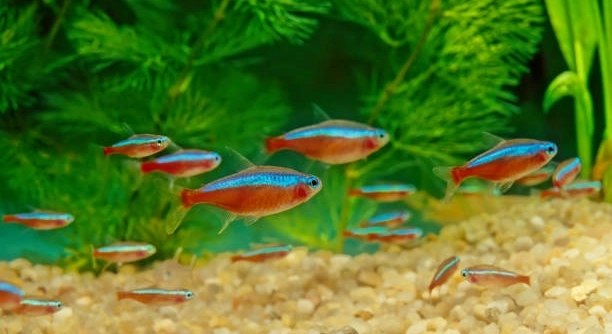
Neon Tetras are known for their peaceful nature, but sudden aggression can be a cause for concern. Understanding the reasons behind this behavior can help you restore harmony to your aquarium.
Neon Tetras may become aggressive due to environmental stress, overcrowding, or poor water quality. These factors can disrupt their natural behavior, leading to increased territoriality or hostility toward other fish. Identifying the root cause is essential for resolving this issue.
By addressing these factors, you can create a more peaceful environment for your Neon Tetras and prevent future aggression.
Poor Water Quality
Water quality plays a crucial role in the well-being of Neon Tetras. These fish are sensitive to changes in their environment, especially when it comes to water conditions. When the water quality declines, whether through fluctuating pH levels or the buildup of harmful toxins, the Tetras can become stressed and display aggression. Poor water quality can also lead to health issues, which may make the fish more irritable.
Testing the water regularly for ammonia, nitrites, and nitrates is essential to ensure it remains safe for your fish. Maintaining a stable pH level and performing regular water changes can help keep stress levels low. It’s also important to ensure that the water temperature is within the appropriate range, as sudden shifts can be stressful.
By keeping the water clean and stable, you can help reduce aggression in your Tetras. A consistent water care routine will contribute to their overall health and create a peaceful aquarium.
Overcrowding in the Tank
Overcrowding can trigger aggressive behavior among Neon Tetras. When too many fish are in a small space, the competition for territory and food becomes intense. This often leads to stress and territorial disputes, resulting in fights and aggressive behavior.
The solution is simple: avoid overstocking your tank. A general rule of thumb is one inch of fish per gallon of water. Providing enough space for each fish helps them feel secure and reduces the chances of aggression. Additionally, ensure that your tank has plenty of hiding spots, where the Tetras can retreat if they feel threatened.
By managing the number of fish in your tank and creating hiding spaces, you can minimize stress and encourage a peaceful environment for your Neon Tetras.
Aggressive Tank Mates
Aggression from other fish in the tank can trigger stress in Neon Tetras. Species with territorial behaviors or larger, more dominant fish can make the Tetras feel threatened. This can lead to them acting aggressively in response. It’s important to assess the tank dynamics and compatibility of different species.
Aggressive fish may intimidate your Neon Tetras, which could cause them to act out. Species such as larger cichlids or overly territorial fish can bully the Tetras. If you have incompatible tank mates, consider moving the aggressive fish to a separate tank. This can help restore peace.
Another solution is to add more Neon Tetras. They are schooling fish and feel more secure when in a group. By increasing their numbers, you may reduce the stress caused by other fish and prevent aggression. This tactic helps maintain their natural behavior and promotes harmony in the tank.
Lack of Hiding Spaces
Neon Tetras feel safest when they have places to retreat to. Without enough hiding spaces, they may become stressed and more prone to aggressive behavior. Adding plants, rocks, and decorations gives them secure areas to escape to when they need to feel safe.
It’s essential to provide plenty of cover throughout the tank. Plants and rocks not only create hiding spots but also mimic their natural environment. A well-planted tank encourages Tetras to swim comfortably, reducing their stress. When stressed, the Tetras may display aggression toward other fish, making a peaceful setup vital for maintaining balance.
Designing the tank with these hiding spots ensures the fish can feel secure and reduces the chances of aggression. By allowing your Neon Tetras to feel at ease, their natural peaceful behavior will take precedence, leading to a calmer, healthier tank.
Hormonal Changes
Neon Tetras can show aggression when undergoing hormonal changes. This often happens during mating periods or when they are stressed. These shifts can make them more territorial, leading to behavior that’s uncharacteristic of their normal peaceful nature.
Male Neon Tetras, especially, may become more aggressive when competing for a mate. This behavior is more noticeable during breeding seasons. Providing an environment that reduces stress, like stable water conditions and adequate space, can help limit these hormonal triggers.
Poor Diet
A lack of proper nutrition can contribute to aggression in Neon Tetras. If they are not receiving the right amount of nutrients, they may act out due to stress or discomfort. A well-balanced diet is crucial for their overall well-being.
Feeding your Neon Tetras a high-quality, varied diet helps prevent deficiencies that could lead to behavioral issues. Proper nutrition supports their immune system and reduces stress. A stressed or malnourished fish may become more aggressive, so offering the right foods in the right quantities is key to maintaining a calm aquarium.
FAQ
Why are my Neon Tetras acting aggressive all of a sudden?
Aggression in Neon Tetras can be caused by several factors, including poor water quality, overcrowding, stress, or hormonal changes. They are peaceful fish by nature, but environmental triggers can cause them to become territorial or agitated. Identifying the source of stress—whether it’s other aggressive tank mates or a decline in water conditions—is key to resolving the issue.
Can Neon Tetras fight each other?
While Neon Tetras are generally peaceful, they can become aggressive towards one another if they are stressed, crowded, or competing for food. Males may also become territorial during breeding seasons, leading to fights. Ensure that they have enough space and a proper diet to reduce such behavior.
Do Neon Tetras need to be in groups?
Yes, Neon Tetras are schooling fish and feel more secure when kept in groups. A lack of social interaction can cause stress, making them more prone to aggression. A group of at least six Neon Tetras is recommended to ensure they are comfortable and feel safe in their environment.
How can I reduce aggression in my Neon Tetras?
To reduce aggression, start by improving the tank environment. Ensure good water quality by performing regular water changes and testing the parameters. Avoid overcrowding the tank and ensure that there are plenty of hiding spaces. You should also avoid keeping them with overly aggressive species. Adding more Neon Tetras can also help reduce stress.
Can water temperature affect Neon Tetra aggression?
Yes, sudden changes in water temperature can cause stress and lead to aggressive behavior. Neon Tetras prefer a stable water temperature between 72°F and 78°F (22°C to 25°C). Large fluctuations in temperature can be harmful and increase the likelihood of aggression. Regularly monitor the water temperature to ensure it remains stable.
What should I do if my Neon Tetras are attacking other fish?
If your Neon Tetras are attacking other fish, the first step is to check the water quality and ensure it’s within the ideal range. Remove any aggressive tank mates and provide more hiding spots. If aggression continues, consider separating the aggressive fish into another tank to prevent harm to other fish.
Can a lack of plants in the tank cause aggression?
Yes, a lack of plants and hiding spaces can contribute to stress and aggression. Neon Tetras feel safer when they have places to hide, especially if they are feeling threatened. Adding live plants, rocks, or other decorations can help reduce stress and make the Tetras feel more secure.
How can I tell if my Neon Tetras are stressed?
Signs of stress in Neon Tetras include erratic swimming, hiding, and loss of color. They may also refuse to eat or swim in abnormal patterns. Stress can be caused by poor water quality, overcrowding, or unsuitable tank mates. Regular observation can help you identify stress early and take corrective measures.
What’s the best way to feed my Neon Tetras to prevent aggression?
To prevent aggression caused by food competition, feed your Neon Tetras in small amounts multiple times a day, rather than all at once. Offer a variety of high-quality foods, including flakes, pellets, and frozen foods, to ensure they are getting a balanced diet. Avoid overfeeding, as excess food can pollute the water.
Can Neon Tetras get along with Betta fish?
Neon Tetras are peaceful, but Betta fish can be aggressive, especially males. The bright colors of Neon Tetras may trigger aggression in a Betta. It’s best to avoid keeping them together unless the tank is large enough for the Betta to claim its territory while allowing the Neon Tetras to feel safe.
Are Neon Tetras prone to diseases that could cause aggression?
Yes, diseases like fin rot or parasites can cause discomfort and irritability in Neon Tetras, leading to aggressive behavior. If you notice unusual swimming patterns or physical signs of illness, isolate the affected fish and treat the tank accordingly. Keeping water conditions stable can help prevent many diseases.
How often should I change the water in my Neon Tetra tank?
Regular water changes are essential to maintaining a healthy environment for your Neon Tetras. A 25-30% water change every 1-2 weeks is recommended, depending on the size of the tank. Frequent water changes help reduce ammonia buildup and keep the tank clean, which can prevent stress-related aggression.
Can Neon Tetras tolerate high levels of nitrates?
No, Neon Tetras are very sensitive to high nitrate levels. High nitrates can cause stress, leading to weakened immune systems and aggression. It’s important to maintain low nitrate levels, ideally below 20 ppm, through regular water changes and proper filtration. Test the water regularly to keep nitrates in check.
Do Neon Tetras need a special filter?
Neon Tetras don’t require a special filter, but they do need a filter that can maintain clean and stable water conditions. A filter with a gentle flow is ideal, as strong currents can stress them out. Ensure the filter is appropriate for the size of your tank and is cleaned regularly.
How do I know if my Neon Tetras are unhappy?
Unhappy Neon Tetras may show signs of aggression, erratic swimming, or fading colors. They may also refuse to eat or hide more often. To address their unhappiness, check water conditions, tank mates, and the overall environment to make sure it meets their needs. If necessary, adjust the setup accordingly.
Is it possible to resolve aggression without moving fish?
Yes, in many cases, improving the tank’s water quality, adding more hiding spaces, and reducing overcrowding can help resolve aggression. Adding more Neon Tetras to form a school may also reduce territorial disputes. However, if aggression continues, separating the aggressive fish may be necessary.
Final Thoughts
Neon Tetras are usually peaceful, small fish that make great additions to any community tank. However, when aggression occurs, it can be stressful for both the fish and the tank owner. Understanding the common causes of aggression, such as hormonal changes, poor water quality, and stress, is key to resolving the issue. By addressing these factors and making small adjustments to the tank environment, it is possible to return your Neon Tetras to their peaceful state. This ensures a healthy and enjoyable aquarium for both the fish and the people caring for them.
It’s important to remember that Neon Tetras thrive in stable environments. Ensuring proper water quality, providing enough space, and keeping their tank mates compatible can make a significant difference. Neon Tetras are schooling fish, so a group of six or more can help reduce stress and aggression. Additionally, keeping their diet varied and nutritious supports their overall well-being. Monitoring their behavior closely, especially during times of change, can help you spot any signs of aggression early and address them before they escalate.
While aggression in Neon Tetras can be concerning, it’s usually a manageable issue. Most of the time, a few changes to the environment or routine can bring back their calm nature. However, if aggression persists despite your efforts, it may be necessary to separate the aggressive fish. With patience and attention, your Neon Tetras can live harmoniously in a well-maintained tank. By understanding their needs and behaviors, you can ensure a peaceful and thriving aquarium for your Neon Tetras to flourish in.

Hello,
If you enjoy the content that we create, please consider saying a "Thank You!" by leaving a tip.
Every little bit helps us continue crafting quality advice that supports the health, happiness, and well-being of pets around the world, for pets of all shapes, sizes, and species.
We really appreciate the kindness and support that you show us!