
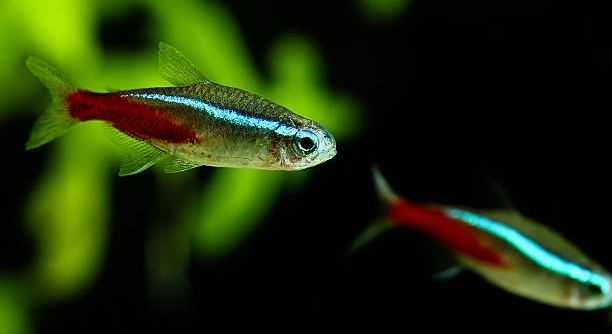
Neon tetras are a popular choice for many aquarium enthusiasts. However, after a water change, they may start hiding more than usual, which can be concerning. Understanding why this happens can help ensure your fish stay healthy and active.
Neon tetras often hide after a water change due to the stress of changes in their environment. This can include fluctuations in water temperature, pH levels, or even water movement. These changes can cause them to feel threatened and seek shelter.
There are several factors that could be influencing your neon tetras’ behavior. Understanding the root causes will help improve their well-being and make your aquarium environment more comfortable for them.
Changes in Water Chemistry
After a water change, your neon tetras may hide because of shifts in water chemistry. Neon tetras are sensitive to changes in pH, hardness, and other chemical imbalances. Even small changes in these parameters can make them feel stressed and cause them to seek refuge. This behavior is a natural response to environmental shifts. Your fish will likely feel safer once the water stabilizes, but this can take time.
It’s important to monitor water parameters closely. Regular testing can help you avoid large fluctuations, keeping your fish more comfortable. If your water chemistry isn’t ideal, this can cause unnecessary stress and hiding behavior.
To help your neon tetras adjust, you can perform gradual water changes instead of large shifts all at once. This approach will give them time to acclimate and reduce stress. Additionally, adding plants or hiding spots can help them feel more secure while they adjust to the changes.
Water Temperature Variations
Fluctuations in water temperature can be another reason why your neon tetras might hide after a water change. These fish are quite sensitive to temperature changes. Even a slight dip or increase in temperature can make them feel uncomfortable. When you change the water, the new water may be cooler or warmer than the tank water. This creates an imbalance that causes your fish to seek shelter until the temperature stabilizes.
One solution is to use a reliable aquarium heater to maintain a consistent water temperature. A thermometer can help you ensure the new water matches the temperature of the tank before adding it. This will make the transition smoother for your fish. Another method is to perform partial water changes regularly instead of large ones, minimizing the temperature difference between the old and new water. Consistent, gradual changes are better for neon tetras in maintaining their comfort.
Water Movement and Flow
Water flow in your tank can impact your neon tetras’ behavior. Strong currents can stress them out, especially after a water change. The change in water volume may affect the movement of the water, causing the fish to feel overwhelmed.
If you have a filter or water pump that causes strong currents, try adjusting it after a water change. You can reduce the flow or place the filter at a different angle. This helps create a calmer environment where your neon tetras can feel safer. Additionally, adding plants or decorations can help block the current, providing more secure spots for your fish to hide.
Neon tetras prefer calmer waters, so keeping the flow gentle is key to their well-being. It’s important to remember that while strong water movement can make a tank look lively, it’s not ideal for all species. By minimizing turbulence, your fish will feel more comfortable and less inclined to hide. Over time, you’ll find the best balance for your tank.
Water Quality
After a water change, poor water quality can lead to stress for neon tetras. Even though you may replace a significant amount of the water, there can still be lingering imbalances in the new water. High ammonia, nitrite, or nitrate levels can negatively impact your fish, causing them to retreat.
To improve water quality, ensure you’re using a reliable water conditioner. This will help neutralize harmful substances that may be present in tap water. Regular water testing is essential for keeping track of parameters like ammonia and nitrate levels. Maintaining a clean filtration system will also contribute to better water quality over time, ensuring your fish aren’t exposed to harmful toxins. Avoid overfeeding, as excess food can lead to poor water quality.
It’s a good idea to perform smaller, more frequent water changes to maintain stability. This will help your neon tetras feel more secure by preventing sudden shifts in their environment. Clean water is key to their health, and ensuring good water quality will keep them active and reduce hiding behavior.
Overcrowding
Overcrowding can lead to stress, making neon tetras more likely to hide. When too many fish are in the tank, they feel cramped and uneasy, especially after a water change when the environment is already altered.
If your tank is overcrowded, consider reducing the number of fish or upgrading to a larger tank. Less competition for space and resources can help reduce stress. Providing more hiding spots like plants or rocks also gives them areas to retreat to. This will encourage your neon tetras to feel more secure and less likely to hide after changes.
Poor Tank Maintenance
Neglecting tank maintenance can create an unstable environment, leading to your neon tetras hiding. If your tank isn’t regularly cleaned or the filter isn’t functioning properly, harmful substances can build up, causing stress to the fish.
To prevent this, stay on top of regular cleaning schedules, including changing the filter media and vacuuming the substrate. Doing so will help keep the tank’s water cleaner and safer. Healthy, well-maintained tanks support happier fish, so avoid letting maintenance tasks slide. This will keep your neon tetras active and reduce their tendency to hide after water changes.
Tank Mates
Aggressive tank mates can trigger hiding behavior in neon tetras. If there are more dominant fish in the tank, neon tetras may feel threatened and seek cover. This is often the case after a water change when their environment feels unsettled.
To help ease this stress, carefully choose compatible tank mates for your neon tetras. Avoid fish that are too aggressive or territorial. Ensuring all your tank’s inhabitants are peaceful will create a more stable environment for your neon tetras, helping them feel more secure and less likely to hide.
FAQ
Why do neon tetras hide after a water change?
Neon tetras often hide after a water change due to changes in their environment. The shift in water temperature, chemical balance, or flow can cause them stress. Even small changes in the water’s pH or hardness can make them feel unsafe. When their environment feels unstable, they seek shelter until they feel more comfortable. Gradual water changes and maintaining a consistent environment will help reduce this stress over time.
How long will neon tetras hide after a water change?
The duration neon tetras hide after a water change can vary. Some may only hide for a few hours, while others may stay hidden for a day or two. This behavior is usually temporary, and as the water stabilizes, your tetras should start to feel more comfortable and come out. If they hide for an extended period, it may indicate a more significant problem, such as poor water quality or stress from other factors like overcrowding or tank mates.
Can a water change kill neon tetras?
A water change itself is unlikely to directly kill neon tetras, but improper water changes can cause stress that harms them. Sudden temperature changes, water chemistry imbalances, or high chlorine levels in tap water can affect their health. It’s essential to ensure the new water is properly conditioned and matches the temperature and pH of the tank. Gradual water changes, ideally 10-20% at a time, help minimize stress and avoid sudden shocks to their system.
What are the signs of stress in neon tetras?
Stress in neon tetras can be displayed through several behaviors. If they’re hiding more than usual, not eating, or swimming erratically, these could be signs of stress. Other indicators include faded colors, excessive darting, or lethargy. Stress can stem from many factors, such as poor water quality, sudden temperature changes, or aggressive tank mates. Monitoring the tank conditions and the fish’s behavior will help you pinpoint and resolve the cause of their stress.
How can I reduce stress for my neon tetras?
To reduce stress for neon tetras, ensure a stable environment. Keep the water temperature consistent and test for proper pH, ammonia, nitrite, and nitrate levels regularly. Avoid drastic changes in water chemistry, and perform smaller, more frequent water changes to help them adjust. Adding plants or decorations provides hiding spots that can help your tetras feel more secure. Keeping the tank clean and maintaining good filtration will also contribute to a healthier and less stressful environment for them.
Can neon tetras get used to a strong water flow?
Neon tetras generally prefer calm waters and may struggle with strong water flow. While some can adapt to moderate current, they will often hide or appear stressed in strong flows. If your tank has a powerful filter or pump, consider adjusting the flow to make the environment more comfortable for your tetras. You can also position decorations, rocks, or plants in ways that block the current, giving them areas to escape from the strong water movement.
Why is my neon tetra swimming upside down?
If your neon tetra is swimming upside down or showing other signs of abnormal swimming, it could be a sign of swim bladder issues. This condition may be caused by stress, water quality problems, or injury. It’s essential to check the water parameters to rule out toxins, like ammonia or nitrite, which can harm the fish. If the fish continues to swim abnormally, consult with an aquarium professional to diagnose and treat the issue.
Can neon tetras recover from stress?
Yes, neon tetras can recover from stress if the underlying causes are addressed. By improving water quality, adjusting the tank environment, and minimizing external stressors like aggressive tank mates, you can help your tetras feel safe again. It may take some time, but once the stress factors are resolved, they will likely return to their usual behavior. Keeping their environment stable and stress-free is the key to preventing future problems.
What is the best way to acclimate neon tetras after a water change?
To acclimate neon tetras after a water change, try to maintain stable water parameters. Gradually introduce the new water to match the temperature, pH, and hardness of the tank. If you’re adding water from a different source, use a water conditioner to remove chlorine and chloramine. You can also float a bag of the new water in the tank to allow the temperatures to equalize. This slow process will help your neon tetras acclimate without undue stress.
Are neon tetras sensitive to water temperature changes?
Yes, neon tetras are quite sensitive to temperature changes. Rapid shifts can cause stress or even shock. To avoid this, always ensure the new water you add is close to the temperature of the tank. Using a thermometer to monitor both the tank and the new water will help keep the temperature stable. Gradual water changes also help prevent temperature shock, which can make your tetras feel more comfortable and reduce hiding behavior.
What do neon tetras need to thrive in a tank?
To thrive, neon tetras need stable water conditions, a gentle water flow, and a well-maintained tank. They prefer slightly acidic to neutral pH, with temperatures between 72-78°F (22-26°C). Providing plants, rocks, or other hiding places will help them feel secure. Regular water changes, proper filtration, and compatible tank mates are all essential for keeping neon tetras happy and healthy.
Final Thoughts
Neon tetras are small, vibrant fish that can add a beautiful touch to any aquarium. However, like any other fish, they have specific needs and sensitivities. After a water change, it’s common for them to hide due to the changes in their environment. The stress from fluctuating water temperature, chemical levels, or even changes in water flow can make them seek shelter. While this is normal behavior, it’s essential to understand the factors that cause stress and how to address them.
Maintaining a stable environment is key to reducing stress for your neon tetras. This includes keeping a consistent water temperature, pH level, and water quality. Regular water changes are important, but doing them gradually can help prevent sudden shifts that can make your fish feel unsafe. Additionally, providing plenty of hiding spots, such as plants or decorations, can give your tetras a sense of security. Avoiding overcrowding and ensuring they have compatible tank mates can also play a significant role in reducing stress and preventing excessive hiding.
If your neon tetras continue to hide after a water change, it’s important to check the overall condition of the tank. Ensure that the water quality is ideal and that the tank’s environment isn’t too stressful. If they’re still hiding for extended periods, you might need to evaluate the tank setup and make adjustments to create a more comfortable space for your fish. With a little patience and attention to their needs, your neon tetras should be back to their usual, active selves soon.

Hello,
If you enjoy the content that we create, please consider saying a "Thank You!" by leaving a tip.
Every little bit helps us continue crafting quality advice that supports the health, happiness, and well-being of pets around the world, for pets of all shapes, sizes, and species.
We really appreciate the kindness and support that you show us!