
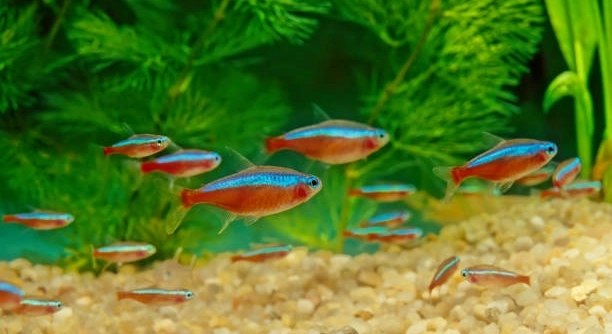
Neon Tetras are known for their vibrant colors and playful nature, but if yours are refusing to eat, it can be concerning. Understanding why your fish might not be eating can help you find a solution.
Neon Tetras may refuse food due to stress, water quality issues, or illness. Other factors like tank mates, feeding habits, or changes in their environment can also contribute to a lack of appetite.
Addressing these issues can help restore their health and happiness. Keep reading to discover how you can improve your Neon Tetra’s feeding habits and overall well-being.
Stress and Anxiety Can Affect Your Neon Tetra’s Appetite
Neon Tetras are sensitive fish and can easily become stressed. Any sudden changes in their environment, like a new tank mate or loud noises, can lead to a loss of appetite. Fish that are stressed may hide more often or swim erratically, making them less interested in eating.
One way to reduce stress is by keeping the tank environment stable. Avoid sudden changes, and ensure the tank is large enough for all the fish to live comfortably.
Keeping the tank peaceful with appropriate tank mates can help. Some fish, like aggressive or territorial species, can intimidate the Neon Tetra, making them less likely to eat. A peaceful community tank promotes healthy behavior and feeding habits.
Poor Water Quality and Its Impact on Feeding Habits
Neon Tetras require clean, well-maintained water to stay healthy. If the water quality is poor, it can lead to stress and illness, which can cause a lack of appetite.
Regular water changes and proper filtration are essential for keeping the tank conditions stable. Water parameters, such as temperature, pH, and ammonia levels, should be regularly monitored to ensure they are within the optimal range for Neon Tetras. Poor water quality can directly affect their feeding behavior, as unhealthy conditions will reduce their desire to eat.
If water quality is neglected, it can cause problems like ammonia poisoning or fungal infections. Both can make the fish uncomfortable and decrease their interest in food. By maintaining clean water, you create a healthier environment for your fish, which can encourage them to eat more consistently.
Illness and Health Issues
If your Neon Tetra is not eating, it could be due to an underlying illness. Fish are good at hiding symptoms, so you might not notice other signs until it’s too late.
Common health issues like parasites, internal infections, or fungal diseases can affect their appetite. These conditions often lead to lethargy, abnormal swimming, and visible signs on the skin or fins.
It’s important to keep an eye on your fish’s overall behavior. If you suspect illness, a separate quarantine tank can help prevent spreading to other fish. Addressing health concerns quickly can restore their appetite and improve their well-being.
Overfeeding or Improper Feeding Techniques
Sometimes, Neon Tetras may not eat because they’re simply being overfed. When you offer too much food, they might be overwhelmed or picky about what they eat.
Overfeeding can lead to uneaten food sinking to the bottom, which may affect water quality. It’s important to feed small amounts and monitor what’s being consumed. Reducing the amount of food offered can also help.
Feed them only what they can eat in a few minutes, and avoid giving them food too frequently. By adjusting their feeding schedule, you can help maintain their health and encourage a regular eating routine.
Feeding Schedule and Habits
Neon Tetras are used to eating at specific times, so irregular feeding schedules can lead to confusion.
Sticking to a consistent feeding schedule helps your fish know when to expect food, which encourages a healthy eating routine. Feed them at the same time each day to build this habit.
Tank Size and Space
A cramped tank can make your Neon Tetras feel stressed, leading to a lack of appetite.
If the tank is too small, the fish may not feel comfortable. Ensuring enough space for swimming and hiding can reduce stress and improve eating habits. A larger tank with proper space for each fish encourages a more natural environment and healthier behavior.
FAQ
Why are my Neon Tetras not eating?
There are several reasons why your Neon Tetras might not be eating. Stress from new tank mates or sudden changes in their environment can affect their appetite. Poor water quality, such as high ammonia or incorrect pH, can also lead to a loss of interest in food. Illness, overfeeding, or even a change in diet can also play a role. It’s important to consider these factors and address them accordingly to get your fish back on track.
Can water temperature affect my Neon Tetra’s eating habits?
Yes, water temperature can have a significant impact on your Neon Tetra’s appetite. Neon Tetras thrive in temperatures between 72°F and 78°F (22°C to 26°C). If the water is too cold or too warm, it can cause stress and reduce their desire to eat. It’s essential to maintain a consistent temperature within the recommended range to keep your fish comfortable and healthy.
What should I do if my Neon Tetra isn’t eating after a water change?
After a water change, your Neon Tetra may refuse food for a short time as they adjust to the new conditions. It’s important to check if the water parameters (such as pH, ammonia, nitrites, and nitrates) are within the safe range for your fish. Sometimes, slight changes in water conditions can stress them out, which may make them less willing to eat. Wait a day or two and ensure the water quality is stable before offering food again.
How can I tell if my Neon Tetra is sick?
Signs that your Neon Tetra may be sick include lethargy, faded colors, clamped fins, erratic swimming, or visible sores. If you notice these symptoms, it’s best to move your fish to a quarantine tank to prevent the spread of any potential diseases. You should also check water quality, as poor conditions can make them more susceptible to illness. If symptoms persist, seek advice from an aquarium professional or veterinarian specializing in fish.
Is it normal for Neon Tetras to go a day without eating?
Neon Tetras may skip a meal or two without any major concerns. In the wild, fish often experience fluctuations in food availability. However, if your fish refuse food for more than a couple of days, it could be a sign of stress, illness, or environmental issues. Monitor their behavior and ensure that the water conditions are ideal.
How often should I feed my Neon Tetra?
You should feed your Neon Tetra 1-2 times a day, offering only what they can consume in a few minutes. Overfeeding can lead to uneaten food decaying in the tank, which can negatively affect water quality. It’s also a good idea to vary their diet with different types of food, such as flakes, pellets, and frozen foods, to ensure they receive all the necessary nutrients.
Can tank mates affect my Neon Tetra’s appetite?
Yes, the presence of aggressive or territorial tank mates can stress your Neon Tetra and cause a loss of appetite. Neon Tetras are peaceful and thrive in community tanks with similarly calm species. If tank mates are chasing, nipping, or bullying your Tetras, they may feel anxious and stop eating. Ensure that your tank mates are compatible with Neon Tetras to create a stress-free environment.
Should I change my Neon Tetra’s food if it’s not eating?
If your Neon Tetra isn’t eating, it might be worth trying a different type of food. Sometimes, fish can become picky or bored with the same food. Experiment with a variety of food types, such as freeze-dried, frozen, or live food. However, if the issue persists, it could be due to stress, illness, or water quality problems, so consider addressing those factors first.
How do I know if my Neon Tetra is overfed?
Overfeeding your Neon Tetra can cause them to lose interest in food, and excess food may lead to poor water quality. Signs of overfeeding include uneaten food at the bottom of the tank, bloating in the fish, or the presence of cloudy water. Make sure to feed small portions that your Tetra can finish in a few minutes to avoid overfeeding.
Can I feed my Neon Tetra vegetables?
While Neon Tetras are primarily carnivores, they can eat some plant-based foods, such as blanched spinach, zucchini, or peas. These foods can be offered occasionally for variety and to aid in digestion. Make sure the vegetables are soft and cut into small pieces to prevent choking or difficulty eating.
What type of food do Neon Tetras prefer?
Neon Tetras prefer high-quality flakes or small pellets that are rich in protein, as they are omnivores with a carnivorous lean. You can also supplement their diet with frozen or live food, like brine shrimp or daphnia. The key is to offer a balanced diet to keep them healthy and engaged in eating.
Final Thoughts
When your Neon Tetra isn’t eating, it can be frustrating, but it’s important to understand that there are several factors that could be causing the problem. Stress, poor water quality, illness, overfeeding, or even incompatible tank mates are common reasons. Often, addressing one or more of these issues can help your fish get back to their normal eating habits. By paying close attention to your tank environment, your Neon Tetra’s behavior, and their overall health, you’ll be in a better position to fix the issue and prevent it from happening again.
Maintaining a healthy environment is essential for the well-being of your fish. Regular water changes, proper filtration, and monitoring water parameters are the foundation for keeping your Neon Tetras happy and healthy. Ensuring that the temperature, pH levels, and ammonia levels are all within the right range helps create a stable environment where your fish can thrive. In addition to water quality, providing the right amount of food, feeding at consistent times, and offering a balanced diet are important factors in keeping your Tetras fed and satisfied. Always be careful not to overfeed them, as this can lead to water quality issues and cause them to lose interest in eating.
If you’ve tried making adjustments to the environment and feeding schedule but your Neon Tetra still isn’t eating, it might be time to look deeper into potential health issues. Observing your fish closely for signs of illness is key. Moving the affected fish to a separate quarantine tank can prevent the spread of disease and give them a better chance to recover. Keep in mind that some fish may take time to adjust, especially if they are stressed or unwell. With patience and careful attention, your Neon Tetra will likely return to eating normally once their environment and health are properly addressed.

Hello,
If you enjoy the content that we create, please consider saying a "Thank You!" by leaving a tip.
Every little bit helps us continue crafting quality advice that supports the health, happiness, and well-being of pets around the world, for pets of all shapes, sizes, and species.
We really appreciate the kindness and support that you show us!