
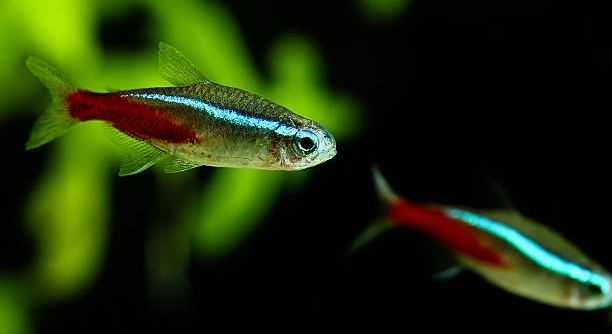
Neon Tetras are popular fish in aquariums, known for their bright colors and peaceful nature. However, it can be concerning when they are constantly hiding, making it difficult to enjoy their beauty.
Neon Tetras often hide due to stress, inadequate water conditions, or being bullied by other tank mates. Factors like poor water quality, insufficient hiding spots, or a lack of a consistent feeding schedule can contribute to this behavior.
Learning how to address these issues can help your Neon Tetras feel more comfortable and confident. By adjusting your aquarium setup, you can create a healthier environment for them to thrive in.
Poor Water Conditions
Water quality plays a crucial role in the well-being of Neon Tetras. If the water is too warm, cold, or has an improper pH balance, your fish may seek shelter. Test the water frequently for ammonia, nitrate, and nitrite levels. Clean the tank regularly to prevent the build-up of harmful chemicals. These conditions stress fish, leading them to hide more often. Inconsistent water changes also add to this, as it creates instability in their environment. Maintaining a steady and healthy water system is key to keeping Neon Tetras active and visible.
A water temperature between 72°F and 78°F (22°C-26°C) is ideal for Neon Tetras. Ensure the pH levels stay between 6.0 and 7.0.
Monitoring the quality and temperature of the water can drastically improve your fish’s behavior. Small adjustments, like adding a water filter or doing partial water changes, can make a big difference in keeping them visible and active.
Tank Mates and Aggression
Tank mates can significantly impact the behavior of your Neon Tetras. If housed with aggressive fish, Neon Tetras may feel threatened and retreat into hiding. Fast-moving or larger species often intimidate these small, peaceful fish. It’s important to choose tank mates that are calm and non-aggressive. Fish like shrimp or other smaller, peaceful species work well with Neon Tetras. Aggression from other fish can cause stress, leading to health issues. It’s essential to monitor how tank mates interact to ensure a balanced environment.
Adding more hiding spaces like plants or rocks can help provide a refuge for your Neon Tetras. If aggression continues, consider separating the species.
In a stress-free environment, Neon Tetras feel more comfortable and will swim more freely. Creating a peaceful tank with suitable companions ensures they feel safe and reduces hiding. Adjusting your fish community can make your Neon Tetras happier and more active.
Lack of Hiding Spots
Neon Tetras are small, and they can feel vulnerable in an open tank. If there aren’t enough places for them to hide, they may retreat into corners or behind decorations. Adding more plants, rocks, or other structures can help them feel safe and reduce hiding behavior.
Aquarium plants like Java moss, Anubias, or floating plants give Neon Tetras a sense of security. They thrive in environments that mimic their natural habitat, with plenty of cover. These hiding spots also allow them to explore, while still feeling protected.
Providing hiding spots also helps maintain social behavior. Neon Tetras often feel more comfortable swimming in groups when they have places to escape to. They can come out to feed and interact with other fish without the constant fear of being exposed.
Overfeeding
Overfeeding can cause water quality issues and stress, leading to hiding behavior. When food remains uneaten, it decomposes and pollutes the tank, which harms the water quality. This can make the fish uncomfortable and cause them to retreat.
Ensure you feed your Neon Tetras only what they can consume in a few minutes. Adjust feeding schedules if you notice uneaten food settling at the bottom. A feeding routine helps maintain water quality and reduces stress on the fish.
Overfeeding can also lead to obesity in Neon Tetras, making them lethargic and less active. The less-active fish are more likely to hide, further reducing their visibility in the tank. Proper portioning benefits their health and helps maintain a cleaner tank environment.
Illness or Injury
Illness or injury can cause Neon Tetras to hide as they feel vulnerable and unwell. If they are sick or hurt, they will seek solitude to rest and recover. Look for signs of disease, such as faded colors, unusual swimming patterns, or visible wounds.
Treating any illness promptly will help your fish recover and prevent further stress. Adding salt to the water or using medication designed for freshwater fish may be necessary, depending on the illness.
Regular observation and a healthy environment are important to prevent illness. Fish that feel healthy and strong are much less likely to hide. Keeping water parameters stable and watching for early signs of disease will improve your fish’s behavior.
Poor Lighting Conditions
Improper lighting can also cause stress, making your Neon Tetras feel uneasy. Bright, harsh lighting may make them feel exposed. Consider dimming the lights or providing areas of shadow in the tank for them to retreat to when needed.
A well-lit aquarium with a natural light cycle is essential for their comfort. Neon Tetras prefer low to moderate light, which mimics the dimmer lighting of their natural habitat. By balancing the tank’s lighting, you can reduce stress and encourage more active behavior.
A timer can help maintain a consistent day-night cycle, allowing your Neon Tetras to adapt to regular light patterns.
FAQ
Why do Neon Tetras hide all the time?
Neon Tetras hide when they feel stressed, threatened, or uncomfortable. Poor water conditions, aggressive tank mates, lack of hiding spots, and even improper lighting can cause them to seek cover. They also hide if they are not feeling well, or if they are adjusting to a new environment.
How can I make my Neon Tetras feel more comfortable?
To make your Neon Tetras feel more comfortable, create a peaceful and stable environment. Maintain clean water with the proper temperature and pH, provide plenty of hiding spots like plants or rocks, and ensure the tank mates are not aggressive. Regular feeding schedules and proper lighting are also important.
What should I do if my Neon Tetras are sick?
If your Neon Tetras appear sick, remove them from the main tank and place them in a quarantine tank. Observe for symptoms like faded colors, swimming abnormalities, or visible lesions. Treat them with appropriate medication, and ensure the water quality in the quarantine tank is optimal.
Can stress cause Neon Tetras to stop eating?
Yes, stress can affect a fish’s appetite. If Neon Tetras feel threatened or uncomfortable due to poor water quality, tank mates, or environmental changes, they may refuse to eat. Addressing the cause of the stress, like improving water conditions or providing hiding spots, can help them regain their appetite.
Is it normal for Neon Tetras to hide during the day?
While it is normal for Neon Tetras to occasionally hide, excessive hiding during the day is a sign of stress or discomfort. Ensure they have adequate cover and a stress-free environment. If the hiding continues, check water parameters, tank mates, and lighting to identify any issues.
Can I keep Neon Tetras with other species?
Yes, Neon Tetras are peaceful fish that can live with many other species. However, avoid aggressive or larger fish, as they may stress or harm the Tetras. Small, peaceful fish like Corydoras, Guppies, or Shrimp make good tank mates for Neon Tetras. Always monitor interactions to ensure a balanced environment.
How often should I feed my Neon Tetras?
Feed Neon Tetras small amounts 1-2 times a day. Only give them as much food as they can eat in 2-3 minutes to avoid overfeeding and polluting the water. Regular feeding helps keep them healthy, but overfeeding can lead to health issues and poor water quality.
How do I know if my Neon Tetras are stressed?
Signs of stress in Neon Tetras include hiding, loss of color, erratic swimming, or decreased activity. They may also stop eating or swim frantically near the surface. Stress can be caused by poor water quality, aggressive tank mates, or sudden changes in their environment.
Can Neon Tetras live alone?
Neon Tetras are social fish and prefer to live in schools. Keeping them alone can cause stress and may result in poor health. It’s best to keep at least five Neon Tetras together to allow them to exhibit natural behaviors and feel more secure. A small group will help them feel less threatened.
Do Neon Tetras need a filter in their tank?
Yes, a filter is essential for maintaining good water quality in a Neon Tetra tank. It helps remove debris and harmful chemicals like ammonia and nitrites. A filter also maintains proper oxygen levels in the water, which is crucial for the health of your fish. Regular maintenance of the filter is important for the tank’s ecosystem.
How long do Neon Tetras live?
Neon Tetras typically live for 5 to 10 years when provided with proper care. Maintaining good water quality, a stable environment, and a balanced diet are all important factors that contribute to their lifespan. Regular health checks and appropriate tank conditions will help them live a long, healthy life.
What size tank is best for Neon Tetras?
A tank of at least 10 gallons is recommended for a small group of Neon Tetras. Larger tanks provide more swimming space and make it easier to maintain stable water conditions. A bigger tank also allows for more plants and hiding spots, which makes the environment more comfortable for the fish.
Can I add Neon Tetras to an established aquarium?
Yes, you can add Neon Tetras to an established aquarium, but make sure the water conditions are suitable for them. It’s best to acclimate them slowly to avoid shock. Monitor the behavior of other fish to ensure that the Tetras are not being stressed by their tank mates.
What is the best diet for Neon Tetras?
Neon Tetras are omnivores and thrive on a balanced diet of high-quality flakes, pellets, and occasional live or frozen food like brine shrimp or daphnia. Feeding them a variety of foods ensures they get all the necessary nutrients for health and vibrancy. Avoid overfeeding to maintain water quality.
Why are my Neon Tetras losing their color?
Loss of color in Neon Tetras can be a sign of stress, poor water conditions, or illness. If the water quality is not ideal, or if the fish are stressed by aggressive tank mates or inadequate hiding spots, their color may fade. Improving their environment and addressing any underlying issues can help restore their vibrant colors.
How do I prevent Neon Tetras from hiding all the time?
To prevent Neon Tetras from hiding, ensure they have a stable, peaceful environment with good water quality. Offer plenty of hiding spots, but make sure they also have space to swim freely. Avoid overfeeding, and choose compatible tank mates that won’t stress them. Regular monitoring of water parameters is crucial.
Final Thoughts
Neon Tetras are small, peaceful fish that thrive in environments that meet their specific needs. When they hide frequently, it’s a sign something in their environment is causing them stress or discomfort. By observing their behavior and addressing potential issues, you can help your fish feel more at ease. From water quality to tank mates and lighting, ensuring that these factors are in balance is key to reducing stress and encouraging your Neon Tetras to swim freely.
It’s important to create an environment where your Neon Tetras can thrive. Providing hiding spots, maintaining clean water, and offering appropriate food all contribute to their overall well-being. Remember, these fish are naturally shy and prefer environments that resemble their natural habitat. Keeping their surroundings stable and calm will go a long way in ensuring they feel comfortable enough to explore their tank and interact with other fish. Consistency in water changes, feeding routines, and keeping their tank mates peaceful will help establish a secure and healthy environment.
Ultimately, addressing the cause of their hiding behavior is a process of observation and care. Regularly check water parameters, remove any sources of stress, and provide opportunities for your Neon Tetras to feel secure. A little patience and understanding will not only solve the hiding issue but also promote their overall health and happiness. By making these adjustments, you will see your Neon Tetras come out of hiding and enjoy a more active and social life in your aquarium.

Hello,
If you enjoy the content that we create, please consider saying a "Thank You!" by leaving a tip.
Every little bit helps us continue crafting quality advice that supports the health, happiness, and well-being of pets around the world, for pets of all shapes, sizes, and species.
We really appreciate the kindness and support that you show us!