
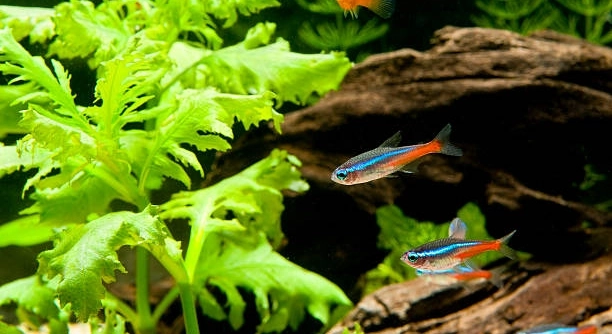
Creating a proper care schedule for your Neon Tetras is key to ensuring their health and happiness. These small, vibrant fish have specific needs that require attention to detail. Understanding how to meet these needs can make all the difference.
A tailored care schedule for Neon Tetras should account for factors such as water quality, feeding times, temperature, and tank maintenance. Proper planning will help prevent health issues and ensure your fish thrive in their environment.
Following these essential steps will make maintaining a healthy, vibrant tank easier and more effective. Keep reading for a thorough guide to building a customized care routine.
Step 1: Set Up the Right Tank Environment
Creating a healthy environment for your Neon Tetras begins with the right tank setup. Choose a tank that is at least 10 gallons to give them enough space to swim. A proper filter is essential for keeping the water clean and ensuring that the fish have a comfortable habitat. Make sure the water temperature is stable, ideally between 72°F to 78°F. Neon Tetras are sensitive to sudden temperature changes, so invest in a reliable heater if needed.
A stable tank environment also means proper lighting. Neon Tetras thrive in a low to moderate light setting. Avoid bright, direct lighting, as it can stress them out. Soft, natural-looking aquarium plants will give them hiding spots and help mimic their natural habitat.
Adding substrate like gravel or sand can also help create a more natural environment. Keep the tank clean by performing partial water changes every 1-2 weeks. Regular maintenance is crucial to keeping the water quality high.
Step 2: Maintain Optimal Water Quality
Water quality is critical for your Neon Tetras’ well-being.
Test the water regularly to ensure proper pH, hardness, and nitrate levels. Keeping the water clean will help prevent health problems.
Your Neon Tetras thrive in slightly acidic to neutral water (pH 6.0–7.0). Ammonia and nitrite levels should be kept at zero to avoid toxicity. To maintain these conditions, invest in a good filtration system that helps with both mechanical and biological filtration.
Water changes should be scheduled consistently. About 25% of the tank’s water should be replaced every week or two, depending on the tank’s size and fish load. Always use dechlorinated water to prevent harmful chemicals from entering the tank.
In addition to water changes, ensure the tank has sufficient water circulation. A well-circulated tank helps maintain consistent water conditions, preventing stagnant spots where toxins can build up.
Step 3: Provide the Right Diet
Neon Tetras need a balanced diet to stay healthy. Feed them a mix of high-quality flakes, pellets, and occasional live or frozen foods.
Offer small amounts of food two to three times a day. Overfeeding can lead to poor water quality. Opt for flakes or pellets designed for small fish to ensure proper nutrition. They also enjoy live foods like brine shrimp and daphnia, which you can provide once or twice a week to add variety.
Neon Tetras have small mouths, so food particles should be tiny enough for them to eat without difficulty. If you’re using frozen foods, make sure to thaw them before feeding. Avoid dropping too much at once to prevent food from sinking to the bottom, leading to waste buildup.
Step 4: Monitor Tank Temperature
Maintaining a stable water temperature is essential for Neon Tetras.
Keep the water between 72°F and 78°F to avoid stress. Use an aquarium heater with a thermometer to ensure accurate temperature control.
Fluctuating temperatures can weaken your fish, making them more susceptible to diseases. Neon Tetras prefer stable conditions and can become lethargic or even die if temperatures change too rapidly. Avoid placing the tank in direct sunlight or near air conditioning units, as this can cause temperature fluctuations. Keep an eye on the water temperature to ensure it remains consistent.
Step 5: Keep the Tank Clean
Regular cleaning is a must for keeping your Neon Tetras healthy.
Perform partial water changes weekly and clean the tank decorations or substrate as needed.
Neglecting tank maintenance can lead to algae growth, waste buildup, and poor water quality. Make sure to clean the filter every month and remove any debris that may accumulate.
Step 6: Watch for Common Health Issues
Neon Tetras are prone to a few common illnesses, such as fin rot and white spot disease.
Watch for signs like faded colors, lesions, or abnormal swimming.
To prevent these issues, maintain clean water, feed a balanced diet, and avoid overcrowding. If you spot any symptoms of disease, address them quickly by quarantining affected fish and treating the water.
Step 7: Provide Companions
Neon Tetras are social fish that thrive in groups.
They feel more secure and active when kept in schools of at least six.
A group helps reduce stress and encourages natural behaviors. Adding compatible tankmates, such as small peaceful fish, ensures a balanced and harmonious environment. Avoid aggressive species that may intimidate or harm the Tetras.
FAQ
How often should I feed my Neon Tetras?
Neon Tetras should be fed small portions two to three times a day. Overfeeding can lead to poor water quality and health issues. Offer just enough food that they can consume in a few minutes, and avoid leaving uneaten food in the tank.
Can Neon Tetras live alone?
While they can technically live alone, Neon Tetras are best kept in schools of six or more. They are social fish and feel more secure and comfortable in groups, reducing stress and encouraging natural behaviors.
What is the best tank size for Neon Tetras?
A tank size of at least 10 gallons is ideal for Neon Tetras. This size provides enough space for them to swim freely and helps maintain water quality. Larger tanks are always better as they offer more stability.
Do Neon Tetras need a heater?
Yes, Neon Tetras need a stable water temperature between 72°F and 78°F. A heater is essential for maintaining this temperature range, especially in colder climates. Ensure your tank has a reliable heater with an adjustable thermostat to keep the water warm enough.
How do I prevent algae in my Neon Tetra tank?
Algae growth can be controlled by ensuring proper tank maintenance. Limit the amount of light your tank receives, as excessive light encourages algae growth. Perform regular water changes, clean the substrate, and use a filter to help control excess nutrients in the water.
What tank mates are best for Neon Tetras?
Neon Tetras are peaceful and do well with other small, non-aggressive fish. Good tank mates include other Tetras, Corydoras catfish, and small livebearers. Avoid large or aggressive fish, as they may stress or harm your Neon Tetras.
Can I keep Neon Tetras with shrimp?
Yes, Neon Tetras can be kept with shrimp, such as cherry shrimp or Amano shrimp. Both species are peaceful and tend to live in harmony. However, be cautious with very small shrimp, as Neon Tetras might mistake them for food.
How do I know if my Neon Tetra is sick?
Signs of illness in Neon Tetras include faded colors, unusual swimming patterns, torn fins, or visible lesions. If your fish appear lethargic or stop eating, they may be ill. It’s important to isolate the sick fish to prevent the spread of disease.
Why are my Neon Tetras not eating?
If your Neon Tetras are not eating, it could be due to stress, water quality issues, or illness. First, check the water parameters to ensure they are within the ideal range. If the environment is fine, the cause may be illness or food preference.
How do I breed Neon Tetras?
Breeding Neon Tetras is possible in well-maintained tanks with ideal conditions. Provide a separate breeding tank with soft, acidic water. The parents should be well-fed, and after spawning, remove them to prevent them from eating the eggs. The eggs will hatch in about 24 to 36 hours.
Are Neon Tetras hardy fish?
Neon Tetras are relatively hardy fish but require stable water conditions. They are sensitive to rapid temperature changes, poor water quality, and aggressive tankmates. With proper care, they can live for several years and thrive in a peaceful tank environment.
How do I care for Neon Tetras in a planted tank?
Planted tanks provide Neon Tetras with a more natural environment. They enjoy swimming among plants, and the plants help maintain water quality by absorbing excess nutrients. Keep the plants healthy and ensure the tank has good lighting and filtration.
Can I keep Neon Tetras with other species of Tetras?
Yes, Neon Tetras can be kept with other species of Tetras, such as Black Skirt Tetras or Cardinal Tetras, as long as they are peaceful. This can create a colorful and dynamic tank. Avoid aggressive or territorial species, as they may cause stress.
What is the lifespan of a Neon Tetra?
With proper care, Neon Tetras can live for 5 to 10 years. Their lifespan depends on water quality, diet, and tank environment. Regular maintenance and good tank management can help ensure they live a long and healthy life.
Do Neon Tetras like moving water?
Neon Tetras do not prefer fast-moving water but do appreciate gentle water movement. A gentle filter or air stone is enough to provide the necessary water circulation without causing stress. Too much current can tire them out and make them anxious.
How do I treat common Neon Tetra diseases?
If your Neon Tetra shows signs of illness, start by isolating it in a quarantine tank to prevent the spread of disease. Depending on the symptoms, you may need to treat with antibiotics, salt, or other medications. Always read the instructions carefully and monitor the water quality.
Final Thoughts
Caring for Neon Tetras can be both rewarding and simple if you follow the right steps. They are small, peaceful fish that do well in groups, making them an ideal choice for community tanks. A proper care routine involves maintaining clean water, providing a balanced diet, and ensuring a stable environment. These fish may be delicate when it comes to changes in their surroundings, so consistency is key to their health.
Neon Tetras are a good option for beginners because they do not require overly complex care. They can thrive in a variety of tank setups, from low-tech aquariums with live plants to more elaborate systems. As long as you keep their water quality high, their temperature stable, and their tankmates peaceful, they will adapt well to the environment. Regular maintenance, such as water changes and cleaning, will help prevent common health issues.
By creating a safe and balanced environment for your Neon Tetras, you are setting the stage for a long and healthy life for these colorful fish. While they are hardy, they do require some attention to detail to thrive. With the right care, your Neon Tetras will continue to brighten your aquarium with their vibrant colors and lively nature. Stay consistent with their needs, and you’ll be rewarded with happy, healthy fish for years to come.

Hello,
If you enjoy the content that we create, please consider saying a "Thank You!" by leaving a tip.
Every little bit helps us continue crafting quality advice that supports the health, happiness, and well-being of pets around the world, for pets of all shapes, sizes, and species.
We really appreciate the kindness and support that you show us!