
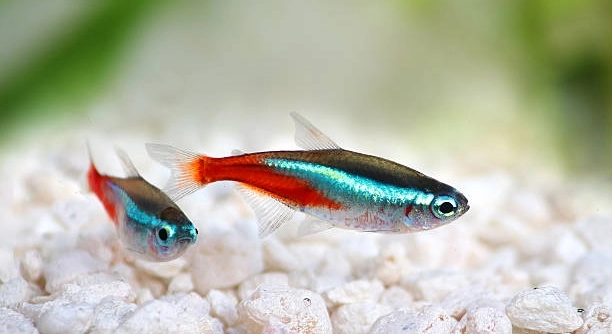
Do your neon tetras seem a bit dull or less active in your aquarium setup, even when everything else seems fine?
A well-planted tank benefits neon tetras by offering natural shelter, reducing stress, enhancing color, and improving overall tank health through better oxygenation and water quality.
These small changes in their environment can greatly influence their behavior and well-being, making your tank more enjoyable to watch and easier to maintain.
Plants Offer Natural Hiding Spots
Live plants give neon tetras places to rest and hide, which helps them feel safe. In the wild, they live in areas full of plants and shaded spots. When you add plants to your tank, you’re mimicking that natural setting. This reduces their stress and allows them to behave more normally. They can dart in and out of leaves, hide when scared, or sleep comfortably without being exposed. The presence of plants can also prevent aggression from other fish by offering a sense of privacy. This improves the overall balance in your tank. Some popular plants that work well with neon tetras include Java moss, Amazon swords, and Anubias. These plants are easy to care for and provide the kind of coverage tetras naturally seek out. By giving your neon tetras a more familiar space, you make your aquarium feel more like home to them, and they will reward you with active, colorful behavior.
Without plants, neon tetras often feel exposed and may hide more or swim less, which lowers their quality of life.
A planted tank doesn’t just look better—it creates a safer, healthier place where neon tetras can relax and behave like they would in the wild.
Improves Water Quality Naturally
Live plants absorb waste like ammonia and nitrates, helping maintain stable water conditions in the tank.
When plants grow, they take in compounds that can be harmful in high amounts. Fish waste, leftover food, and other organic materials release ammonia into the water. If not controlled, this builds up and causes problems for your fish. Beneficial bacteria in the filter convert ammonia to nitrite and then to nitrate, which is still harmful in large amounts. Live plants help complete this cycle by absorbing nitrates as nutrients. This reduces how often you need to change the water and makes the tank more stable overall. Neon tetras are sensitive to poor water quality, so even small changes in parameters can affect them. Having live plants helps buffer these changes and supports a healthy nitrogen cycle. This keeps neon tetras in better shape, with stronger immune systems and fewer stress-related problems. The plants also release oxygen, which keeps the tank more breathable for all aquatic life.
Boosts Color and Activity
Healthy neon tetras show brighter colors when they feel safe and relaxed. A planted tank helps lower stress, which directly impacts how vivid their blue and red stripes appear each day.
When neon tetras live in an environment with live plants, they often become more active. Swimming through leaves and weaving between stems mimics how they behave in nature. The feeling of safety allows them to explore more, which encourages playful, social behavior. In bare tanks, they may stay near the bottom or hide in corners due to stress. But with plants around, they feel less threatened and show off their natural curiosity. This leads to better interactions within the school and a more entertaining tank to watch. A planted setup also encourages healthy habits, like foraging and exploring, which support physical and mental well-being. Over time, this helps them maintain vibrant colors and a stronger immune system.
Lighting also plays a role in how bright their colors look. Live plants help regulate the light in the tank by providing shaded spots and breaking up direct beams. This gives the tetras a chance to rest in dim areas when needed. Combined with good water quality, planted tanks naturally support their full color potential.
Encourages Natural Behavior
Neon tetras love to swim in groups, especially in open areas between plants. A planted tank gives them a comfortable balance of shelter and space to school confidently.
With live plants in the tank, neon tetras behave more like they would in the wild. They explore more, stick together better, and don’t isolate themselves as often. Schooling fish like neon tetras feel safer when surrounded by cover. They also show more interest in their surroundings and interact more with other tank mates. This natural movement keeps them healthy by encouraging steady exercise. A lack of cover makes them shy and passive, which affects their appetite and overall health. When plants are well-positioned, they allow both hiding and open areas, encouraging the fish to move comfortably. By recreating the natural balance of shade and space, planted tanks support a peaceful, active, and healthy group of neon tetras.
Reduces Algae Growth
Live plants use the same nutrients algae need to grow, like nitrates and phosphates. When plants are healthy and growing, they absorb these nutrients first, which limits what’s left for algae to feed on.
Less algae means less cleaning and more time enjoying your tank. This also helps keep the water clearer.
Offers Breeding Support
A planted tank provides ideal conditions for breeding neon tetras. The dense cover from plants gives adult fish a place to spawn and protects the tiny eggs from being eaten. Plants like Java moss or fine-leaved stem plants are perfect for this. The shaded areas also reduce stress, which encourages more natural breeding behavior. If fry are born, plants offer excellent cover, helping them survive the early stages when they are most at risk. This setup mimics their natural habitat, where they often spawn among submerged vegetation. Even if breeding isn’t your goal, it’s a sign of a healthy tank.
Adds Visual Interest
Live plants add movement, color, and texture to the tank. This creates a relaxing and appealing view that both you and your fish can enjoy every day.
FAQ
How do I set up a planted tank for neon tetras?
To set up a planted tank for neon tetras, start with a good substrate like nutrient-rich soil, which supports plant growth. Choose plants that thrive in low to medium light, such as Java moss, Anubias, or Amazon swords. Make sure the tank has proper filtration and heating, as neon tetras prefer temperatures between 72°F and 80°F. You don’t need to overdo it with CO2, as most plants and neon tetras do well without additional CO2 injection. A simple setup with proper lighting, filtration, and maintenance will keep the plants healthy and provide the fish with a comfortable space. Be sure to maintain the water quality by performing regular water changes and keeping an eye on nitrate and phosphate levels.
Can neon tetras live in a tank with too many plants?
While neon tetras love a planted tank, too many plants can make the tank overcrowded, limiting swimming space. It’s important to maintain balance. Ensure there are still open areas for the tetras to swim freely. Overcrowding plants can also block water flow, affecting the filtration system. As long as the plants are well-maintained, and the tank has enough open space, your tetras will be happy. Regular trimming of plants helps maintain this balance and keeps the tank looking neat.
How often should I trim plants in a neon tetra tank?
Trimming plants should be done every few weeks, depending on their growth rate. Fast-growing plants like Java moss may need trimming more often, while slower-growing ones like Anubias can be trimmed less frequently. Regular trimming helps prevent plants from becoming too dense, blocking light and water flow. It also prevents plants from overtaking the tank and provides more space for your neon tetras to swim. When trimming, remove any dead or decaying leaves to keep the water quality stable.
Do neon tetras need special lighting in a planted tank?
Neon tetras don’t need special lighting, but the plants in the tank do. A lighting system that provides around 10 to 12 hours of light per day works well for most aquarium plants. Opt for LED lights designed for planted tanks, as they provide the right spectrum of light for plant growth without overheating the water. Too much light can encourage algae growth, so make sure the lighting is not too intense. A consistent day-night cycle will help both the plants and the neon tetras thrive.
Are neon tetras aggressive with other fish in a planted tank?
No, neon tetras are peaceful and prefer to swim in schools. They are unlikely to be aggressive with other fish, especially in a well-planted tank where they have plenty of places to hide and feel secure. In fact, their gentle nature often makes them a good choice for community tanks. However, avoid keeping them with larger, more aggressive fish that may see them as prey. Keeping them in groups of six or more will also reduce the chances of stress or territorial behavior, which could lead to more active, healthy neon tetras.
Can I use fertilizers in a planted tank with neon tetras?
Yes, you can use fertilizers in a planted tank, but be careful not to overdo it. Use a balanced fertilizer designed for aquariums to provide essential nutrients like potassium, nitrogen, and iron. Over-fertilizing can lead to algae growth, so it’s important to follow the manufacturer’s instructions. Liquid fertilizers and slow-release tabs are common options. In addition, maintaining good water quality is key. Regular water changes and monitoring nutrient levels will keep both your plants and neon tetras healthy.
What plants are best for a tank with neon tetras?
Neon tetras do well with many types of plants, especially those that mimic their natural environment. Good options include Java moss, Amazon swords, Anubias, and cryptocoryne species. These plants don’t require high lighting and can thrive in the same conditions that neon tetras prefer. Floating plants like duckweed can also provide extra cover and shade. Low-maintenance plants are ideal, as they help keep the tank stable without too much effort. Consider a mix of foreground, midground, and background plants for a more natural look and better fish hiding spots.
How do live plants help reduce stress in neon tetras?
Live plants provide cover, allowing neon tetras to retreat when they feel threatened, which helps reduce stress. In the wild, these fish are accustomed to living in environments with dense vegetation, where they can hide from predators. In a planted tank, the tetras feel more secure, which encourages them to swim and school more naturally. Stress can cause health issues for neon tetras, so providing plants that offer shelter and reduce stress improves their overall well-being and longevity.
Do neon tetras require a specific water type for a planted tank?
Neon tetras thrive in slightly acidic to neutral water, with a pH range of 6.0 to 7.0. The water should be soft to moderately hard. The addition of live plants can help maintain these conditions by absorbing excess minerals and stabilizing pH levels. Be sure to test the water regularly to ensure it remains in the ideal range for both the fish and the plants. A stable, well-maintained tank will keep your neon tetras healthy and your plants growing.
How can I prevent my plants from dying in a neon tetra tank?
To prevent plants from dying, make sure they have the right lighting, substrate, and nutrients. Use a nutrient-rich substrate to support plant roots, and ensure your plants get adequate light without too much direct exposure. Trim dead or decaying leaves regularly to prevent the spread of diseases and improve water quality. If the plants show signs of nutrient deficiencies (like yellowing leaves), consider adding a liquid fertilizer designed for aquariums. Regular maintenance, including water changes and keeping the tank clean, will also help prevent plant problems and support the overall health of both your neon tetras and the plants.
Can neon tetras live with plants in a saltwater tank?
Neon tetras are freshwater fish and should not be kept in a saltwater tank. Saltwater tanks require different conditions, such as higher salinity levels, which are unsuitable for neon tetras. These fish thrive in freshwater with a pH range of 6.0 to 7.0, and their delicate systems can’t handle saltwater. Stick to a freshwater setup with plants suited for that environment to maintain their health. For a healthy tank, always ensure the water parameters are ideal for the specific fish and plants you’re keeping.
Final Thoughts
Adding plants to a tank with neon tetras is a simple yet effective way to improve their living environment. Neon tetras are naturally found in the wild with lots of plants and hiding spots, so replicating this habitat in your aquarium helps them feel safe and secure. When plants are present, these fish are less stressed and more likely to show off their full, vibrant colors. This peaceful environment encourages neon tetras to swim actively and engage more with their surroundings. In turn, this makes the aquarium more interesting to observe and gives the fish a better quality of life.
Plants also benefit the tank in other ways. They help keep the water clean by absorbing excess nutrients that would otherwise fuel algae growth. This means you spend less time cleaning algae off the tank walls and more time enjoying the beauty of your setup. Plants also contribute to maintaining good water quality, which is essential for the health of your fish. They help remove toxins like ammonia and nitrates, which can build up from fish waste and leftover food. By balancing water chemistry, plants play an important role in supporting a healthy, thriving tank.
Overall, a well-planted tank can be a win-win situation for both you and your neon tetras. Not only do the plants enhance the beauty of the tank, but they also provide a safer and more comfortable space for your fish. Neon tetras are small, peaceful fish that benefit greatly from a habitat that mimics their natural environment. When plants are included in the tank, they feel more at ease, display their natural behaviors, and become more active. For anyone looking to create a healthy, visually appealing aquarium, adding live plants is a simple and rewarding choice.

Hello,
If you enjoy the content that we create, please consider saying a "Thank You!" by leaving a tip.
Every little bit helps us continue crafting quality advice that supports the health, happiness, and well-being of pets around the world, for pets of all shapes, sizes, and species.
We really appreciate the kindness and support that you show us!