
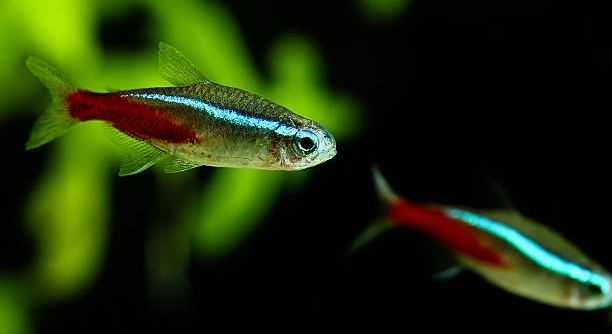
Neon Tetras are a popular fish for aquariums due to their vibrant colors and peaceful nature. However, keeping them healthy requires attention to detail and avoiding common mistakes that many aquarium owners make.
To avoid common neon tetra care pitfalls, focus on proper water conditions, tank size, diet, and companion choices. Maintaining stable water parameters, feeding appropriately, and selecting compatible tankmates are key factors in ensuring their well-being.
By addressing these tips, you can provide a thriving environment for your neon tetras. Proper care will help them live longer, healthier lives in your aquarium.
Choosing the Right Tank Size for Your Neon Tetras
Neon Tetras are small, but they still need enough space to swim freely. A tank that’s too small will make them feel stressed, leading to health issues. Ideally, a 10-gallon tank is the minimum size for a small group. This provides plenty of room for your fish to move around and thrive.
It’s crucial to remember that the size of your tank impacts water quality, too. Smaller tanks are more difficult to maintain stable water parameters, which can quickly affect your fish’s health.
When setting up your aquarium, avoid overcrowding. Overcrowding leads to stress and increases the likelihood of disease spread. Neon Tetras do best in groups of at least six, but make sure the tank size supports the number of fish you plan to keep. Adding plants and hiding spots will make your Tetras feel safe, reducing stress and encouraging natural behaviors.
Maintaining Water Conditions
Keeping water conditions stable is one of the most important factors in neon tetra care. Neon Tetras are sensitive to changes in water temperature and pH, so regular monitoring is essential. Keep the water temperature between 72-78°F, and maintain a pH of 6.0-7.0 for optimal health.
The water should be soft to moderately hard. To maintain these parameters, use a reliable water test kit and perform regular water changes. Clean water will help reduce the buildup of harmful toxins, creating a safer environment for your fish.
Choosing the Right Tankmates
Neon Tetras are peaceful fish, but choosing the right tankmates is essential for their well-being. Aggressive species may stress them out, leading to illness. Compatible species include other small, peaceful fish like Corydoras, guppies, and otocinclus. Avoid large fish that might see Neon Tetras as food.
When selecting tankmates, ensure they have similar water requirements. Tankmates that need a higher or lower temperature range can stress your Neon Tetras, leading to health problems. It’s also a good idea to choose fish that won’t compete for food or space. The right companions will help your Tetras feel secure and reduce territorial behavior.
Be mindful of fish that are too active or boisterous. Neon Tetras prefer calm surroundings and may not thrive in tanks with fast-swimming, aggressive species. If you choose fish with different activity levels, the tank might become chaotic, leading to stress for all species involved. Always monitor your tank’s dynamics closely for any signs of aggression.
Proper Feeding Habits
Neon Tetras are not picky eaters but they thrive on a balanced diet. Offer a variety of foods like flakes, micro pellets, and live or frozen foods such as brine shrimp or daphnia. Feed them small portions, 2-3 times a day, to avoid overfeeding and water contamination.
A varied diet ensures they receive all the nutrients they need for healthy growth and vibrant coloration. Avoid relying solely on one type of food, as it may lead to nutritional imbalances. You can also give your Neon Tetras plant matter like blanched spinach or zucchini, as this promotes digestion and overall health.
Overfeeding can quickly lead to water quality problems. Leftover food decomposes in the tank, raising ammonia and nitrite levels. This can be harmful to your Neon Tetras and any other tank inhabitants. Keep feeding times short and always remove any uneaten food after a few minutes to maintain water clarity and fish health.
Tank Filtration and Water Quality
A reliable filtration system is essential for maintaining healthy water for your Neon Tetras. They are sensitive to poor water quality, so a good filter helps remove harmful substances. Choose a filter rated for your tank size, and clean it regularly to ensure efficient operation.
Regular water changes are also crucial. Aim to change 25-30% of the water weekly to maintain stable parameters. Always use a water conditioner to remove chlorine or chloramine. Keep an eye on ammonia, nitrite, and nitrate levels, as even slight fluctuations can harm your fish.
Lighting and Plant Care
Neon Tetras prefer dim lighting that mimics their natural environment. Bright lights can stress them out and reduce their activity levels. Provide a soft light that allows them to feel secure and relaxed. A light timer can help maintain a consistent day-night cycle.
Adding plants to your tank is another way to create a comfortable environment. Live plants help with oxygen exchange and provide hiding spots. They also encourage natural behaviors, such as foraging and swimming in shaded areas. Low-light plants like Java moss or Anubias work well in a Neon Tetra tank.
Avoiding Common Diseases
Neon Tetras are prone to a few common diseases, such as neon tetra disease, which causes discoloration and wasting. To avoid these issues, quarantine new fish for at least two weeks before introducing them to your main tank. This helps prevent the spread of parasites or infections.
Proper water maintenance is another key factor. Keep the water clean, maintain stable temperatures, and avoid overcrowding. Stress weakens your fish’s immune system, making them more susceptible to illness. If you notice any signs of disease, act quickly to prevent it from spreading to other fish.
What size tank is best for Neon Tetras?
A minimum of a 10-gallon tank is recommended for Neon Tetras. While they are small, they still require space to swim and thrive. A larger tank is even better, as it provides more room for plants and decorations, creating a more natural environment. A larger tank also helps maintain stable water conditions, reducing the likelihood of fluctuating temperature and water parameters.
In a smaller tank, the water quality can deteriorate quickly, leading to harmful spikes in ammonia or nitrites. Neon Tetras are sensitive to these changes, so maintaining stable water conditions is crucial. A tank that’s too small can also cause stress for the fish, affecting their overall health. Aim for a tank that not only provides enough space but also has good filtration to handle the bio-load of your fish.
Can Neon Tetras live with other fish?
Yes, Neon Tetras are peaceful fish and can live well with other species, as long as they are compatible. Choose small, calm fish that won’t view the Tetras as food or harass them. Fish like guppies, Corydoras, and Otocinclus are ideal companions. Avoid larger or more aggressive species like bettas or cichlids, as they may stress out your Neon Tetras.
Neon Tetras thrive in schools of six or more, so when adding tankmates, be sure not to overcrowd the tank. Having a balanced mix of species ensures that the fish are not competing for space, food, or hiding spots. The right tankmates can help create a peaceful environment, reducing stress for all inhabitants.
How often should I feed my Neon Tetras?
Neon Tetras should be fed small portions 2-3 times a day. They have small stomachs and can only consume so much at once, so feeding them in small, frequent portions helps maintain water quality. Overfeeding can lead to uneaten food, which decomposes in the tank and causes harmful spikes in ammonia and nitrites.
Use a variety of food types such as flake food, micro pellets, and live or frozen foods like brine shrimp. This variety helps provide a balanced diet that promotes healthy growth and coloration. Be sure to remove any uneaten food after a few minutes to avoid contamination of the water.
What is Neon Tetra disease, and how can I prevent it?
Neon Tetra disease (NTD) is a parasitic infection caused by the parasite Pleistophora hyphessobryconis. It primarily affects Neon Tetras, leading to symptoms like a loss of coloration, fading of the fins, and a gradual wasting of the fish. Unfortunately, there is no cure for NTD, and it is often fatal once the symptoms appear.
The best prevention is to quarantine new fish before introducing them to your main tank. This prevents the spread of potential parasites or infections. Additionally, maintaining a clean tank, proper water quality, and low stress levels will keep your fish healthier and less susceptible to diseases.
What is the ideal water temperature for Neon Tetras?
Neon Tetras prefer water temperatures between 72-78°F (22-25°C). These temperatures replicate their natural tropical habitat, where they live in warm, slow-moving streams. A stable temperature is crucial because fluctuations can stress the fish and make them more vulnerable to diseases.
Using a reliable aquarium heater can help maintain a consistent temperature. Ensure your heater is suitable for your tank size and capable of keeping the water within the recommended range. It’s also important to monitor the temperature regularly with a thermometer to avoid sudden changes.
Can I keep Neon Tetras in a small aquarium?
While Neon Tetras are small fish, they still require space to swim and thrive. A 10-gallon tank is the minimum size recommended. Smaller tanks can quickly become unstable, leading to poor water quality, which can harm the fish. A small aquarium may also lack the necessary space for plants and decorations that help reduce stress.
If you must keep Neon Tetras in a smaller tank, make sure you have a good filtration system, monitor water quality closely, and avoid overcrowding. A well-maintained small tank can still support Neon Tetras, but the environment needs to be stable to keep them healthy.
What should I do if my Neon Tetras are swimming at the top of the tank?
If your Neon Tetras are swimming at the top of the tank, it may indicate an issue with water quality or oxygen levels. Poor water circulation, high ammonia or nitrite levels, or low oxygen levels can cause this behavior. Check the water parameters immediately to ensure they are within the safe range.
Adding an air stone or adjusting the filter to increase surface agitation can help improve oxygen exchange in the tank. If water quality is an issue, perform a partial water change and test the parameters. Consistently poor water conditions can lead to stress and health problems, so resolving the issue quickly is important.
Are Neon Tetras easy to care for?
Neon Tetras are generally easy to care for, but they do have specific needs that must be met for them to thrive. They require stable water conditions, a proper diet, and peaceful tankmates. Regular water changes and a reliable filtration system are essential for maintaining good health.
Neon Tetras are sensitive to stress, so maintaining a calm and well-maintained environment is crucial. If these conditions are met, they are relatively low-maintenance and can live for several years, providing vibrant color and charm to your aquarium.
Taking care of Neon Tetras is relatively simple when you understand their basic needs. These small, vibrant fish thrive in peaceful environments with stable water conditions, a balanced diet, and the right tankmates. While they may be sensitive to changes in their surroundings, keeping their environment clean and stress-free ensures they remain healthy and active. A well-maintained tank with proper filtration and regular water changes can help avoid many common issues that affect Neon Tetras.
Choosing the right tank size and keeping a proper balance of species is crucial for maintaining a peaceful and thriving community tank. Neon Tetras do best in schools of six or more, which helps them feel secure and reduces stress. When selecting tankmates, it’s important to avoid aggressive or large species, as these can harm or intimidate the Tetras. Choosing compatible species that share similar water and temperature preferences will create a more harmonious tank environment.
In conclusion, the care requirements for Neon Tetras are straightforward, but attention to detail is necessary to ensure they thrive. A clean tank, stable water quality, proper feeding, and compatible tankmates are the foundation of their well-being. By focusing on these essential factors, you can enjoy the colorful and peaceful presence of Neon Tetras in your aquarium for years to come.

Hello,
If you enjoy the content that we create, please consider saying a "Thank You!" by leaving a tip.
Every little bit helps us continue crafting quality advice that supports the health, happiness, and well-being of pets around the world, for pets of all shapes, sizes, and species.
We really appreciate the kindness and support that you show us!